LONDON DAILY ARCHIVE
Proposed EU Legislation Could Allow Farmers to Cull More Wolves
New regulations aim to address conflicts between agriculture and wildlife conservation across member states.
08 March 2025 · 06:16 UTC
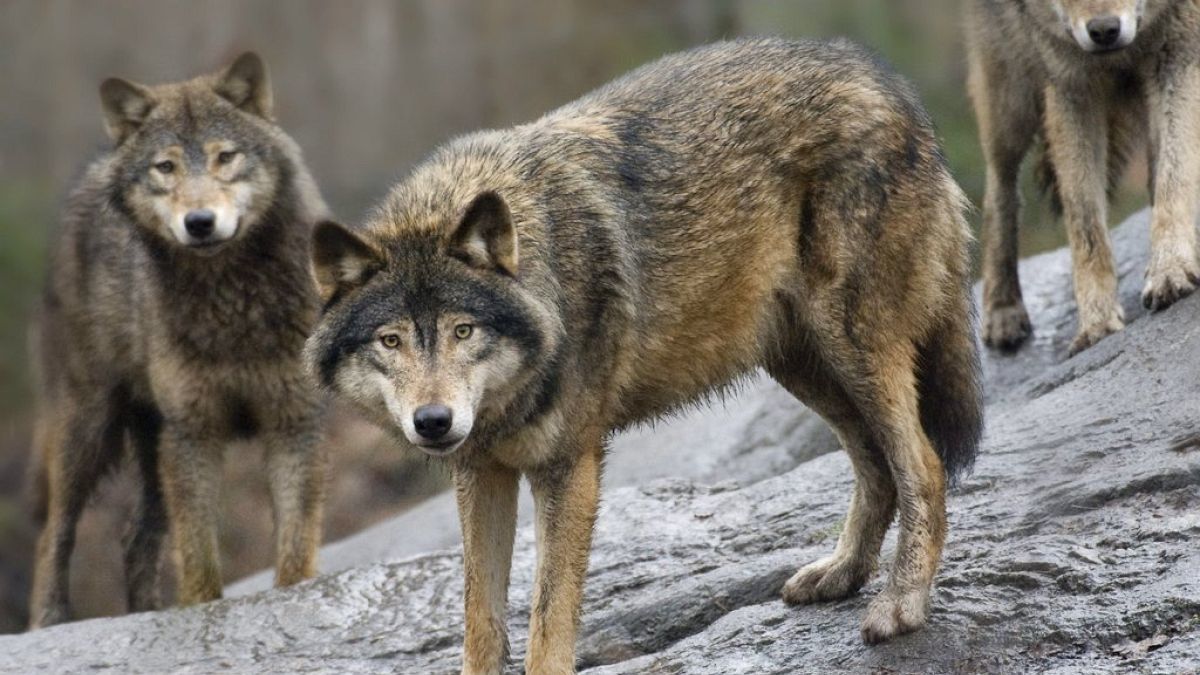
This proposed law has emerged amidst ongoing conflicts over wildlife management and agricultural practices across several EU member states, where wolf populations have seen a resurgence in recent years.
The initiative comes as an attempt to balance the interests of agricultural stakeholders, who argue that wolves pose a significant threat to livestock, and conservationists advocating for the protection of wolf populations, which are considered vital to ecosystem health.
Current EU wildlife protection laws under the Habitats Directive afford wolves species protection, complicating the management of their populations.
Recent reports indicate that farmers in various regions have expressed mounting frustration over livestock losses attributed to wolf predation.
As a response, the proposed legislation includes provisions that would allow for increased culling under specific circumstances, particularly where there is documented evidence of livestock attacks.
As part of the legislative process, the European Parliament is expected to scrutinize the implications of this proposal, including the potential impact on wolf populations and biodiversity.
Members of Parliament are also likely to consider the varying attitudes towards wildlife in different member states, with some advocating for stricter protections, while others call for more flexible management that accommodates agricultural needs.
The dialogue surrounding this proposal reflects broader tensions within the EU concerning rural economic interests and environmental conservation.
Additionally, the discussion touches on cultural attitudes towards predators, with differing levels of acceptance regarding wolf populations observed across Europe.
The proposal is set to undergo further examination by legislative committees before a vote can be scheduled in the European Parliament.
Stakeholders from various sectors, including farmers’ associations, conservation groups, and academic experts, are anticipated to weigh in on the developments as this legislative initiative progresses.