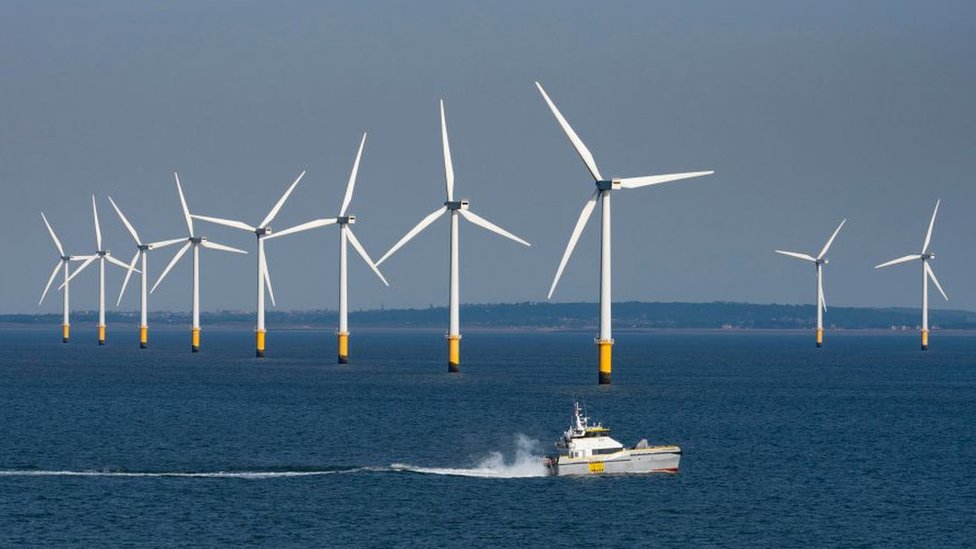
This decision follows a failed auction for offshore wind projects, where energy firms deemed the initial price too low to attract investment. The goal is to boost offshore wind capacity, which is seen as a cheaper and more stable energy source compared to gas-fired power.
This increase is part of the UK's effort to nearly quadruple its offshore wind capacity from 13 to 50 gigawatts by 2030. However, the sector has faced setbacks due to rising construction costs, including materials and labor. To meet its 2030 target, the government needs to secure 6-8 gigawatts of power yearly for the next five years.
Infrastructure challenges, particularly the transportation of offshore power to land, are also significant. Chancellor Jeremy Hunt is expected to address these in his Autumn Statement, proposing to reclassify power connections as critical national infrastructure and consulting on compensating affected communities.
These steps are in line with recommendations from the UK's electricity networks commissioner to expedite the integration of new power sources into the National Grid.