LONDON DAILY ARCHIVE
Post Office Scandal: Minister Calls for Prosecutions and Jail Time for Those Responsible
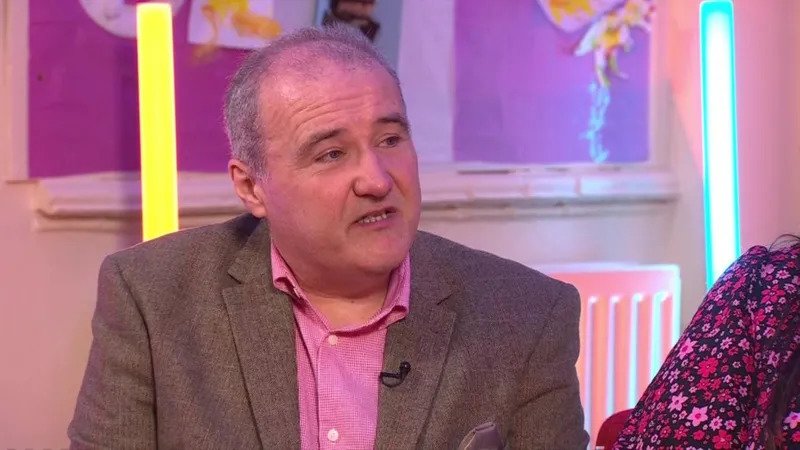
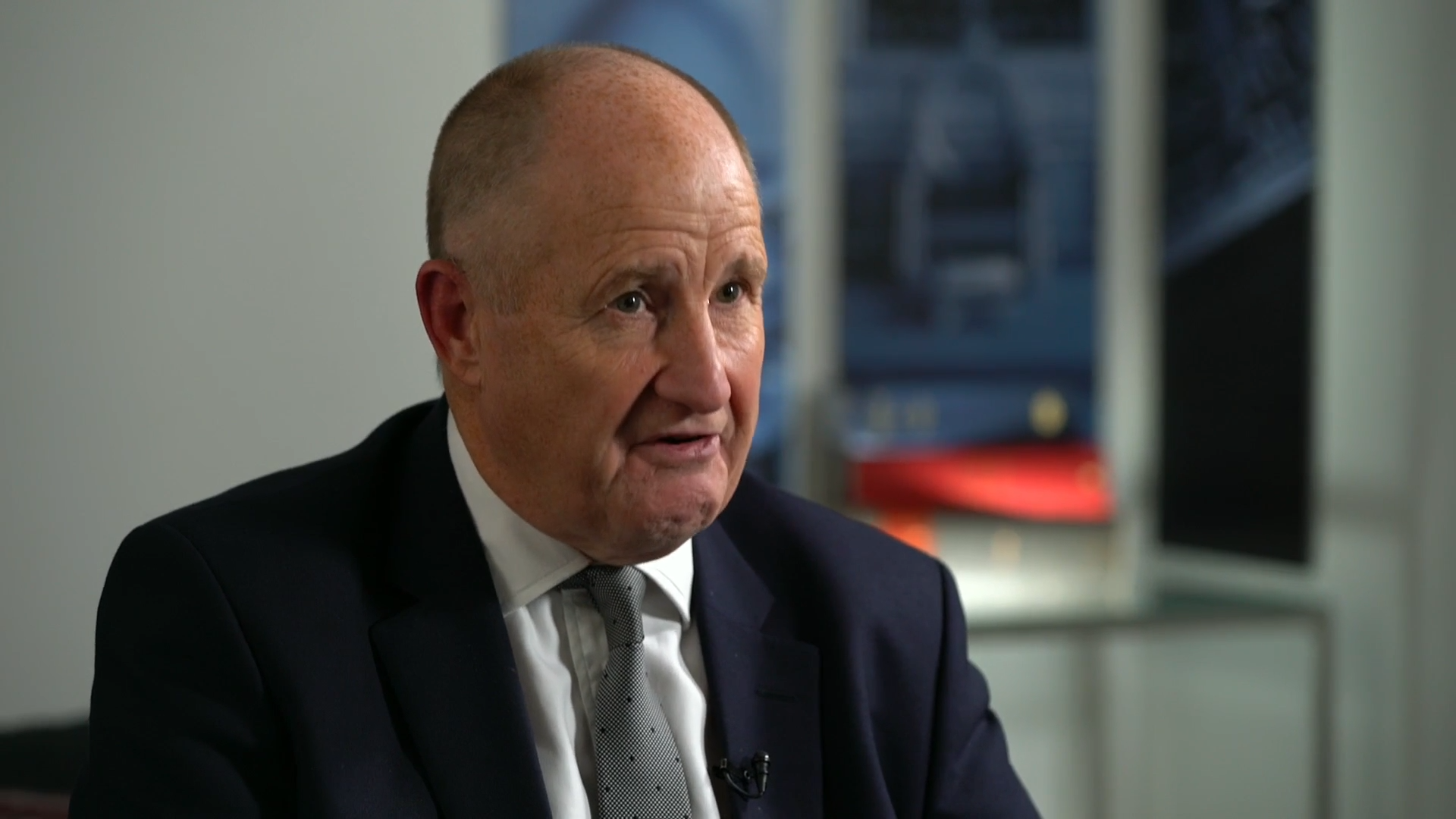
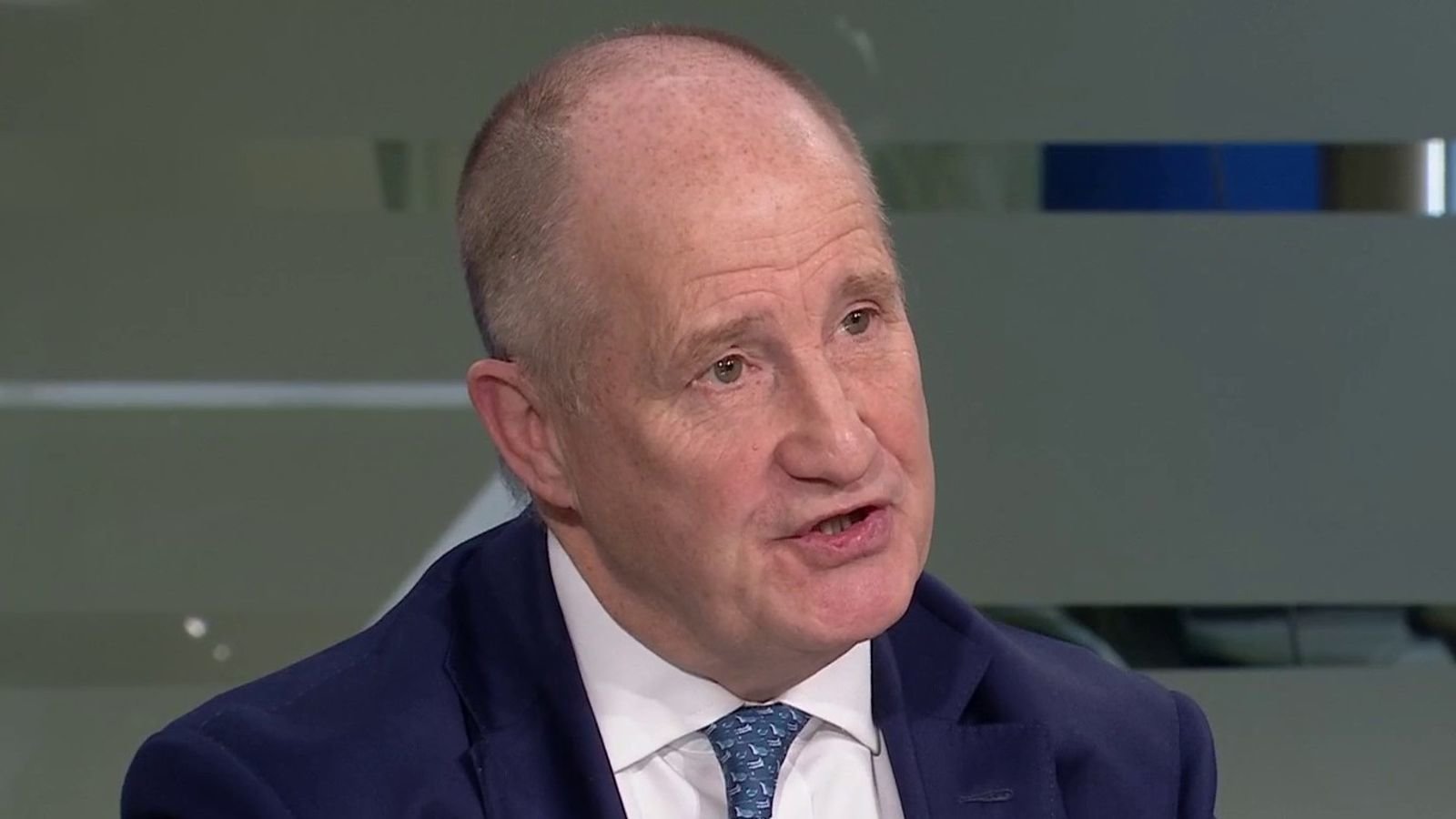
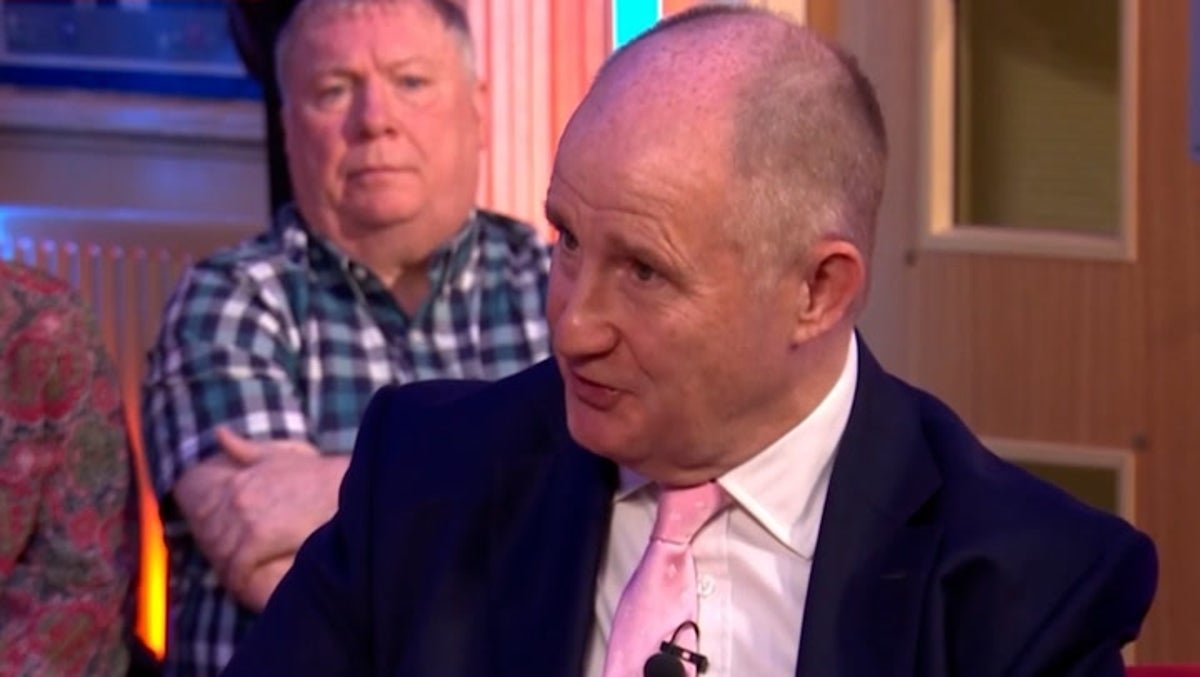
The Post Office minister, Kevin Hollinrake, has called for those responsible for the Horizon scandal to be prosecuted and jailed.
09 April 2024 · 06:04 UTC
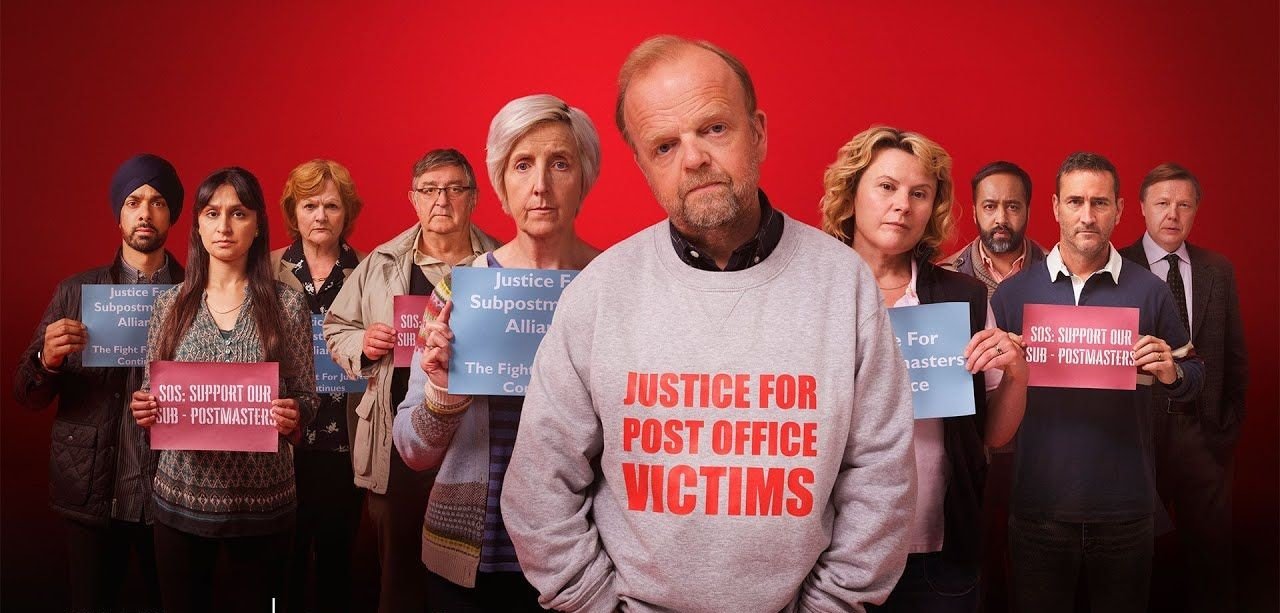
Alan Bates, a former sub-postmaster who campaigned against the Post Office, also emphasized the need for accountability.
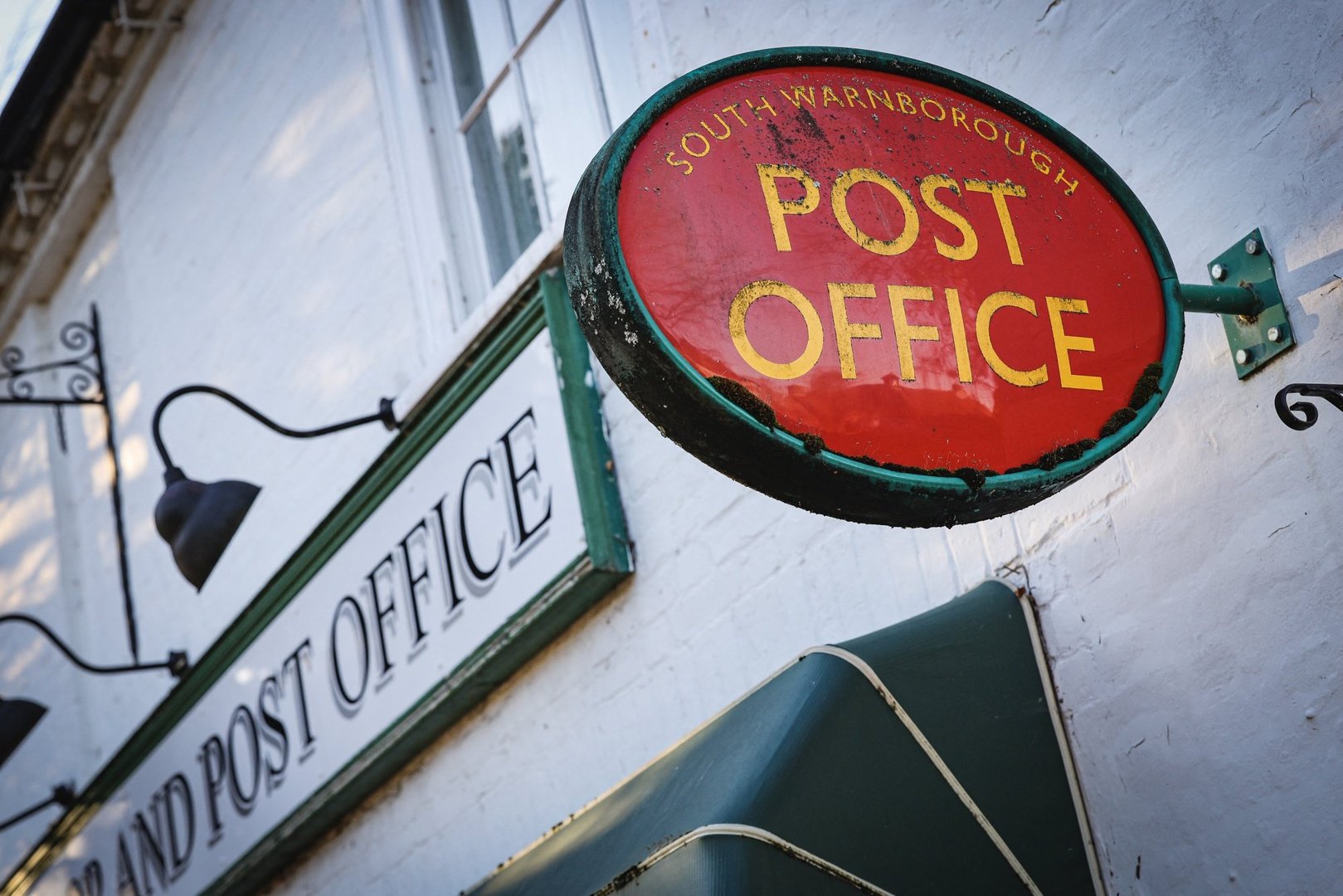
The Post Office scandal, considered the most widespread miscarriage of justice in British history, involved the prosecution of hundreds of sub-postmasters for theft and false accounting based on a faulty accounting software system called Horizon.
The campaign group, Post Office Justice, led by Mr. Bates, will continue advocating for justice and may pursue prosecutions after the public inquiry ends.
Key figures, including Mr. Bates and former Post Office CEO Paula Vennells, will testify in the upcoming 15-week hearings.
The government-owned Post Office paid significant bonuses to executives during this period, and some of these bonuses may be "clawed back." The UK government is planning to overturn the convictions of sub-postmasters wrongly accused in the Horizon scandal.
AMP (Mr Hollinrake) admitted that financial redress for affected individuals has been slow and needs to be expedited.
Three compensation schemes have been established for different groups of victims, with more information available on the Post Office website.
The UK government has given funding to the Post Office for compensation payments related to a past accounting system scandal.
However, MPs have expressed concerns about the Post Office's ability to manage the scheme and have suggested establishing an independent body instead.
MP Mr Hollinrake emphasized the need to simplify the process and offered two options for compensation: a fixed sum award of £600,000 or a more complex assessment route.
In 2001, a former sub-postmaster, David Morley, testified that the Post Office and Fujitsu (the system provider) were aware of the faulty accounting system and had remote access to postmasters' accounts.
A parliamentary committee questioned if evidence of a meeting regarding Post Office scandal was deliberately suppressed.
The Post Office scandal involved accusations of theft against postmasters, some of whom suffered mental breakdowns and were not believed by the Post Office when they claimed illness.
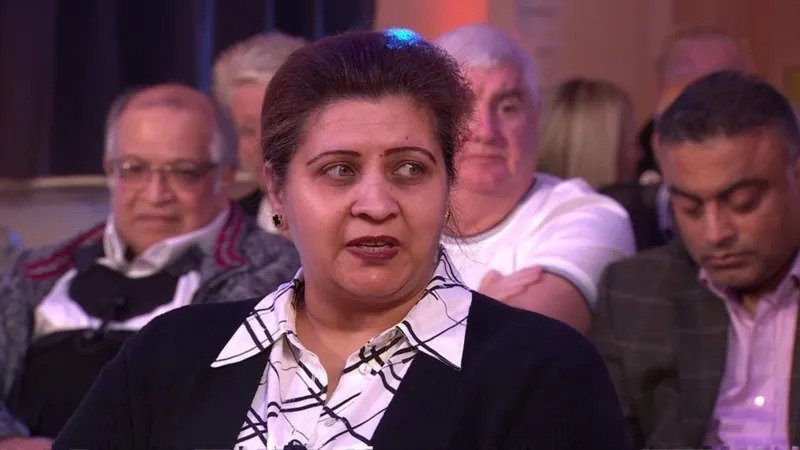
One example is Jess Kaur from Walsall, who was accused of stealing £11,000 and was visited by Post Office doctors while in the hospital for a mental breakdown.
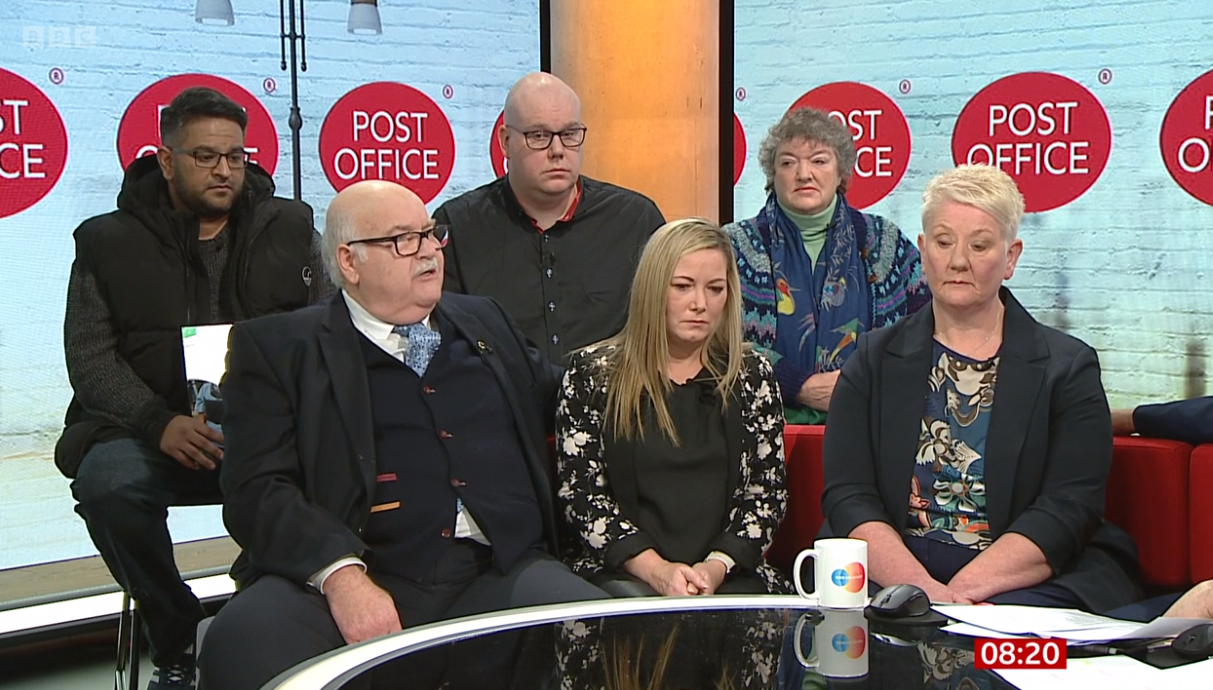
The victims shared emotional stories on a television programme.
The committee couldn't definitively answer if the evidence was deliberately suppressed, but someone had early knowledge of the situation.
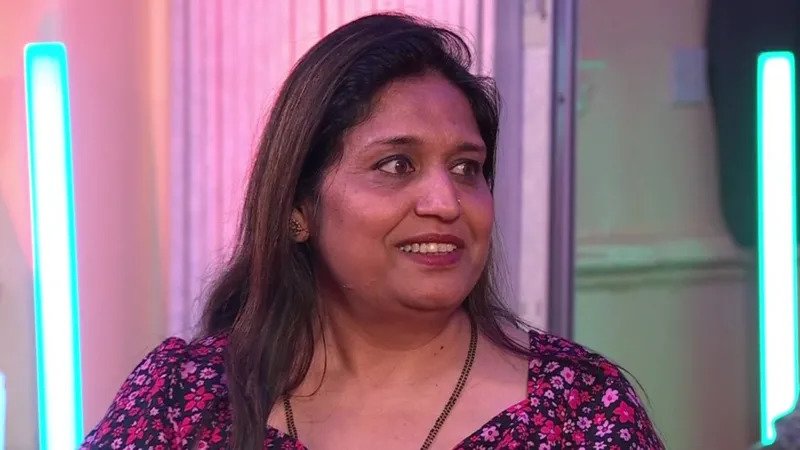
Seema Misra, a former sub-postmistress in Surrey, was wrongfully accused of stealing £70,000 in 2008 and sent to prison while pregnant.
The charges against her were dropped in 2011, but she was not exonerated until 2021.
Misra expressed frustration over broken promises and continued to fight for accountability.
On the day she was sentenced, it was her son's 10th birthday.
She told him she was going to a special hospital, and on the day of her court appearance, she promised to see him later that day.
Misra questioned why she was sent to prison for a crime she did not commit.
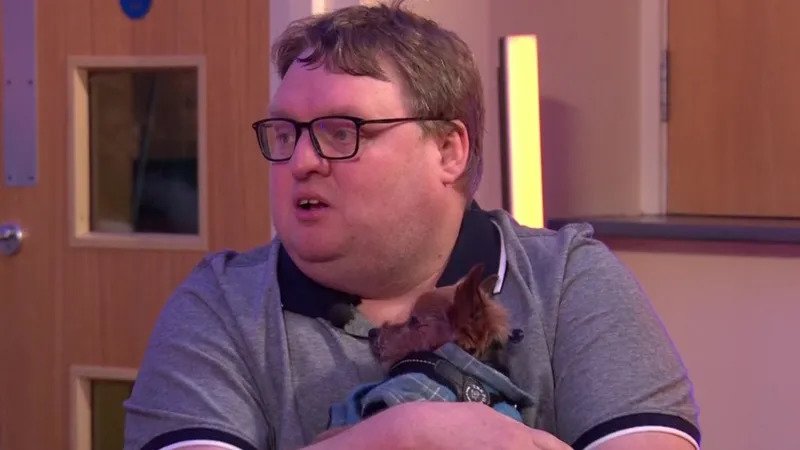
Mark Kelly, a former sub-postmaster in Swansea from 2003 to 2006, appeared on a BBC studio with his support dog Gizmo.
He shared his experience of being wrongfully accused of false accounting, leading to anxiety, depression, and isolation.
He felt guilty about the situation and wished he could have helped others, as he had heard about the suicides and imprisonments of other postmasters due to similar false accusations.
Lee Castleton, another victim, was left bankrupt in 2007 after losing a legal battle with the Post Office over false accusations of stealing £25,000.
His story was portrayed by actor Will Mellor in ITV's drama about the scandal.
Mr. Castleton, a former sub-postmaster, spoke about the ongoing pain and difficulty of dealing with the aftermath of the postmaster scandal.
He and 60 other affected individuals came together for a live BBC Breakfast broadcast from Fenny Compton, the village where the first meeting of those affected took place.
The group shared their experiences of the ongoing struggle to move past the scandal.