LONDON DAILY ARCHIVE
Politicians struggle amid racial controversies
Recently, four individuals have shed light on the intricate dynamics of wealth, power, and the influence of language and identifiers, highlighting the potential to provoke strong emotions.
14 March 2024 · 09:34 UTC
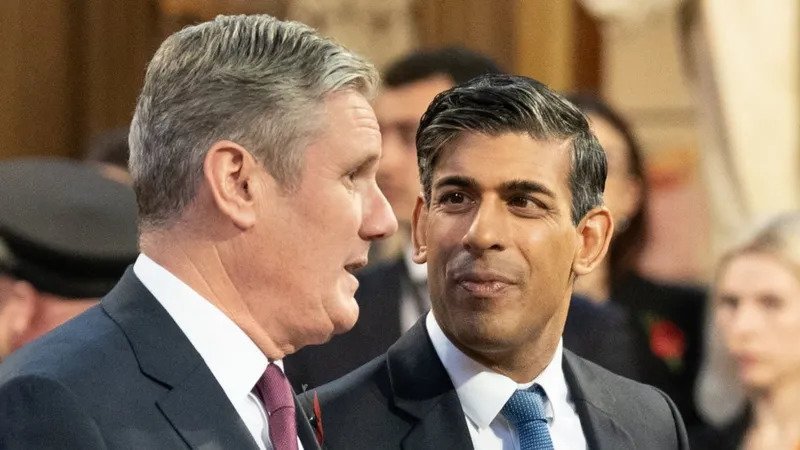
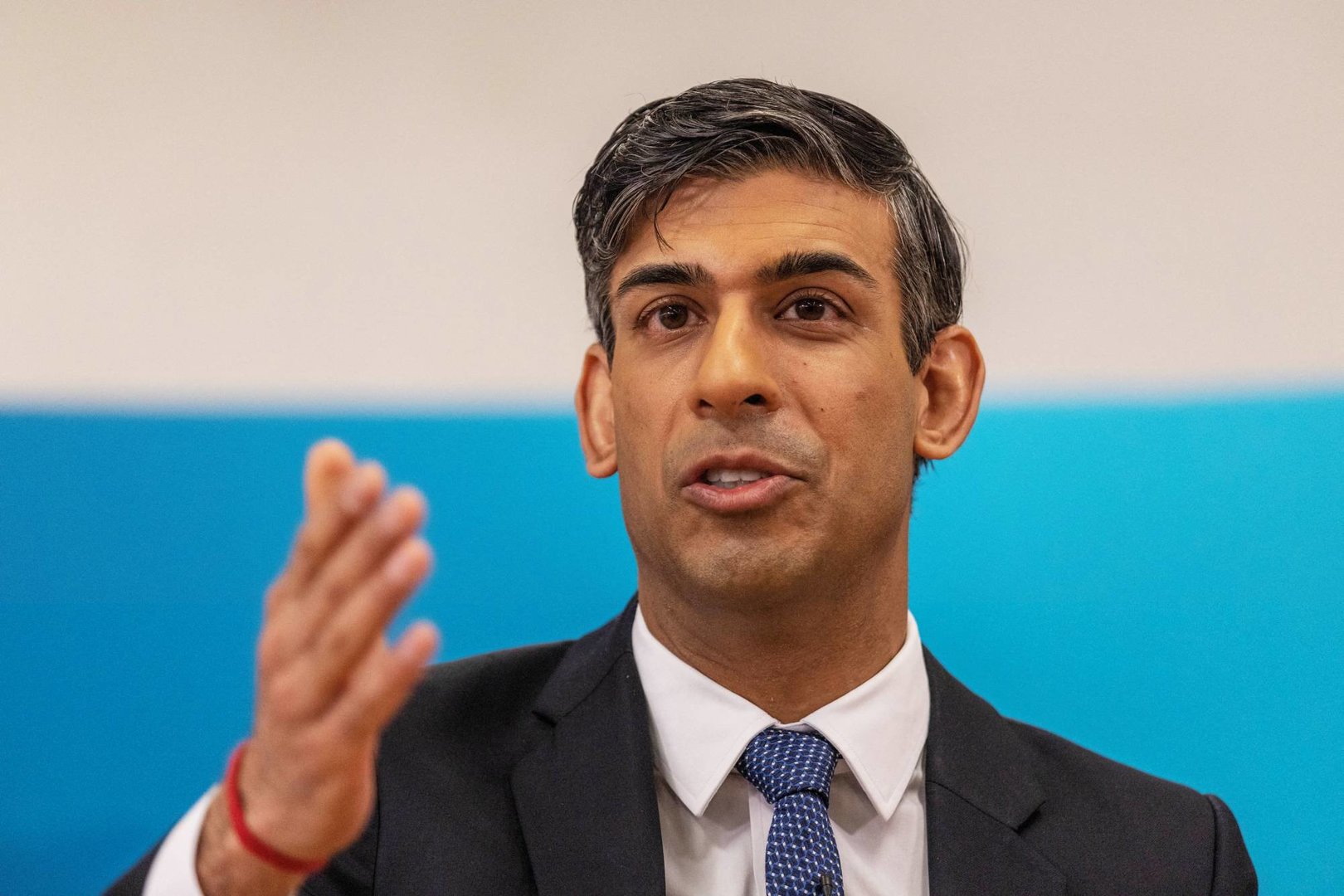
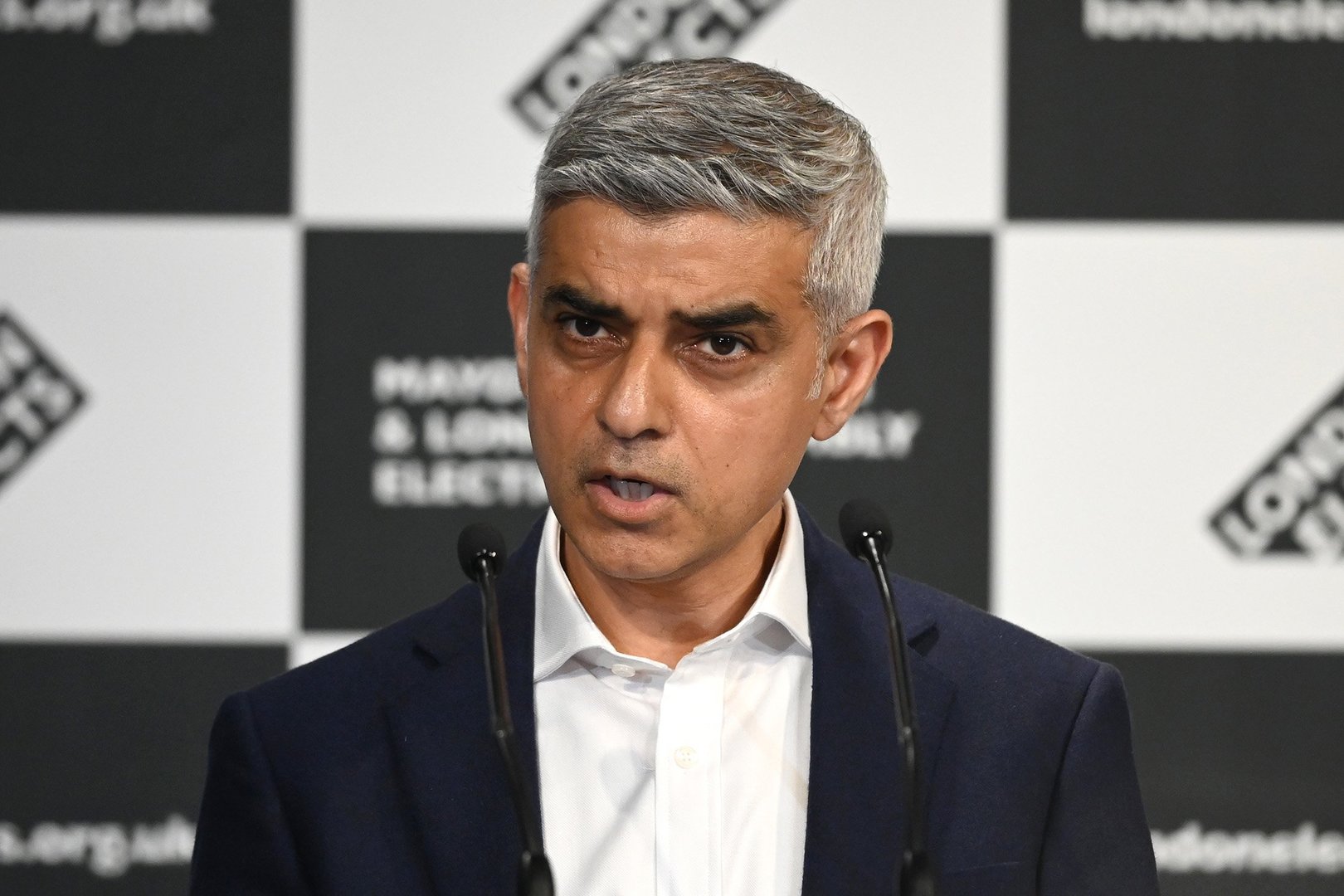
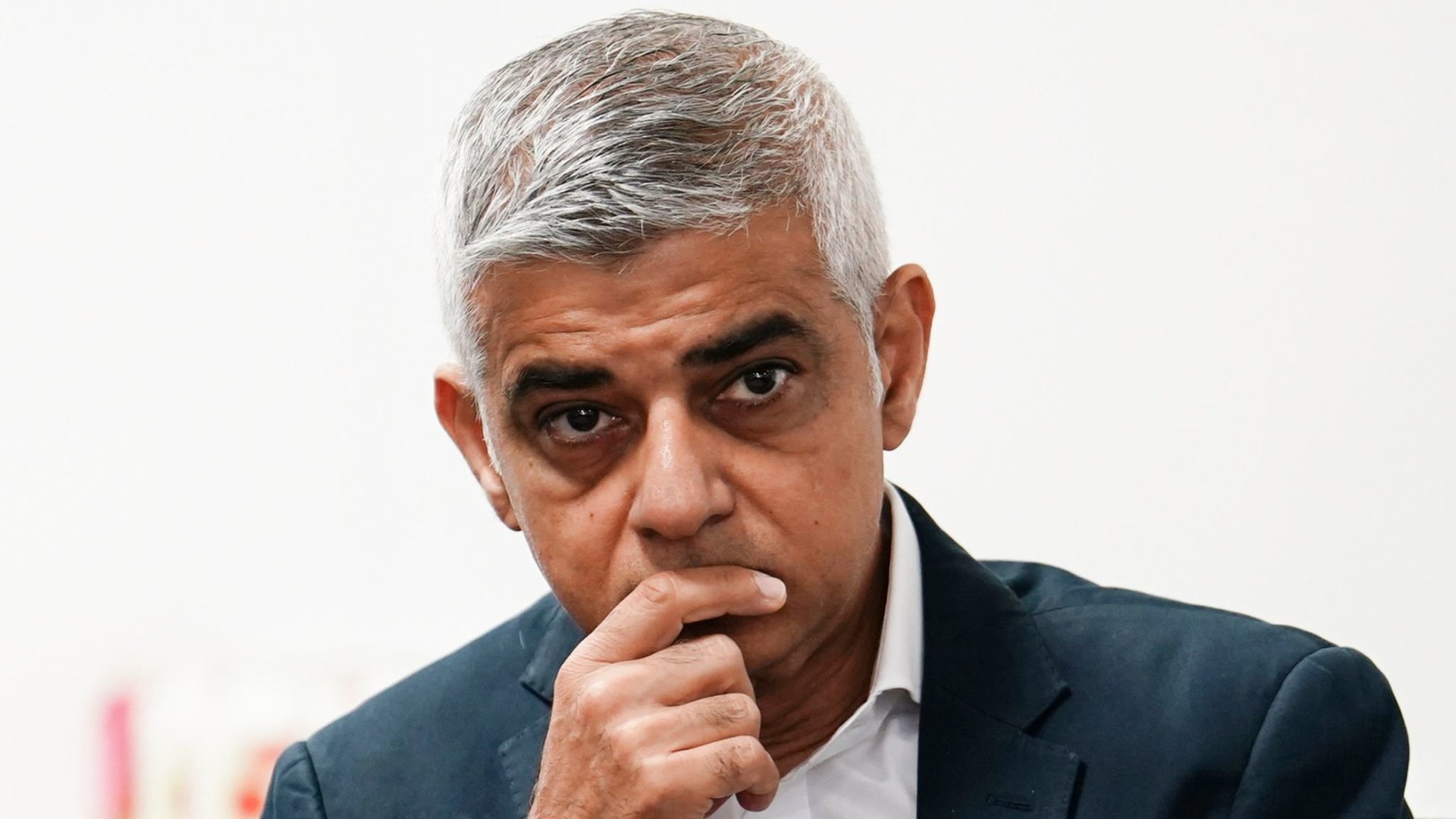
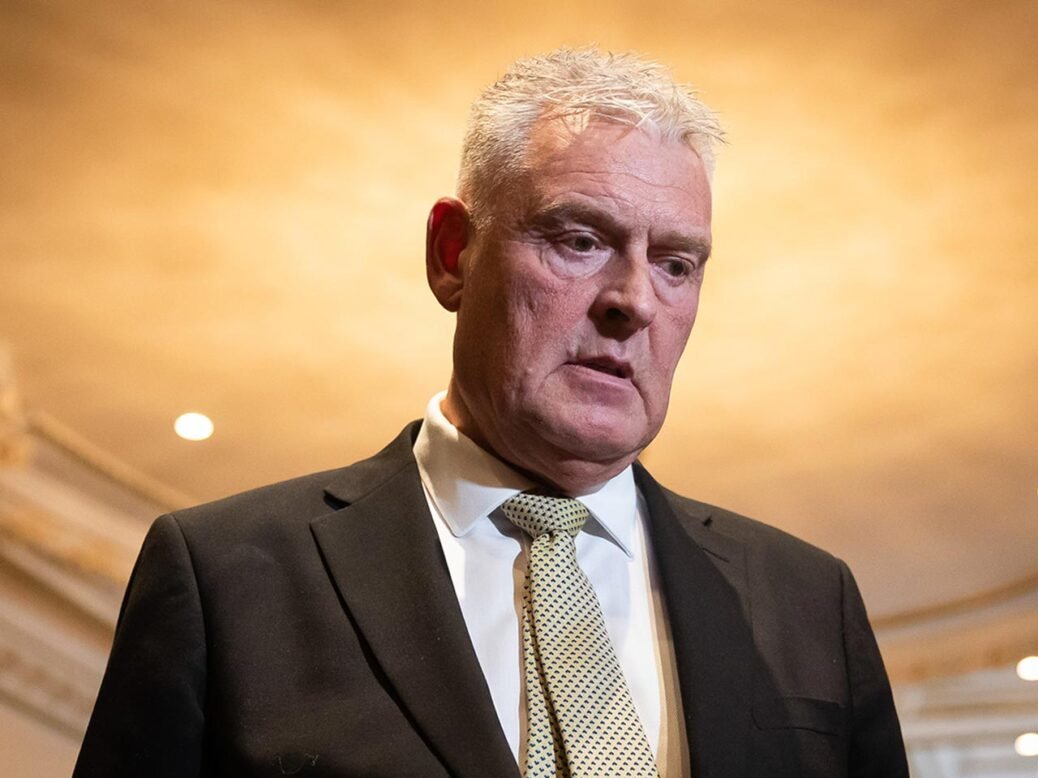
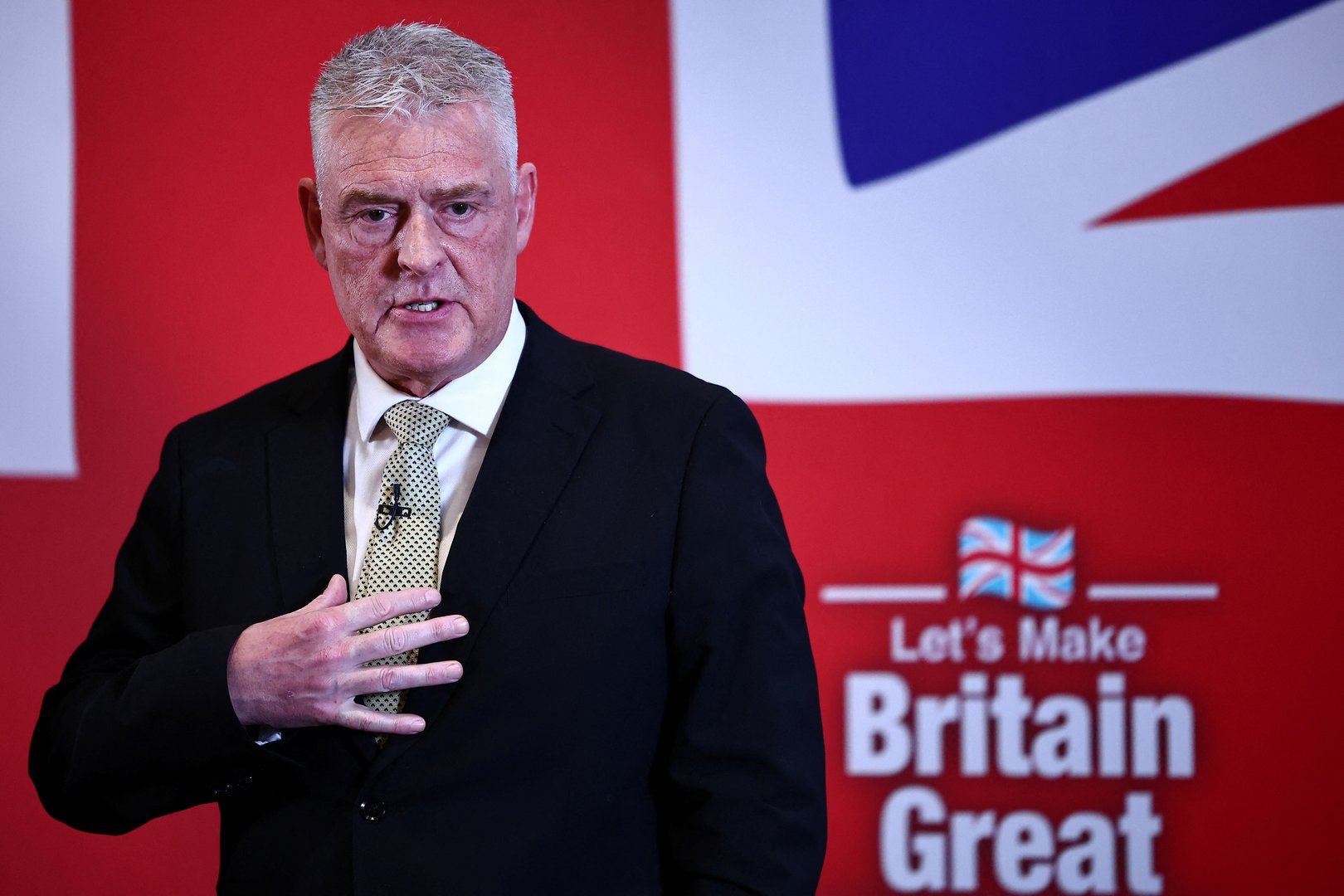
Moreover, discussions intensified around Lee Anderson, now an MP for Reform UK and previously a Conservative deputy chairman, due to his comments on Muslim London Mayor Sadiq Khan.
Labelled "unacceptable" by the Prime Minister and "racist" and "Islamophobic" by others, Anderson's remarks have reignited debates partially fueled by the October conflict between Hamas and Israel in Gaza.
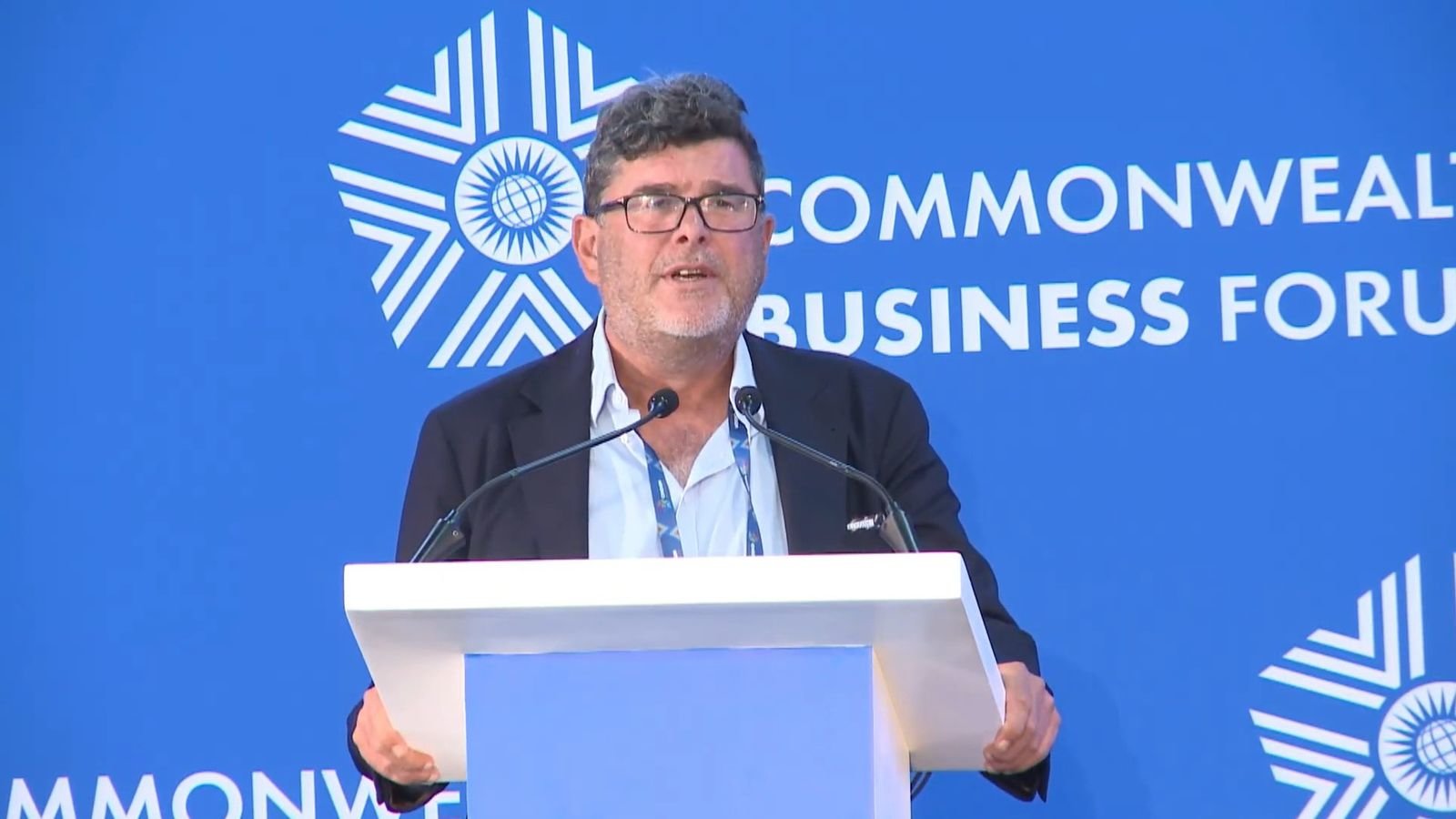
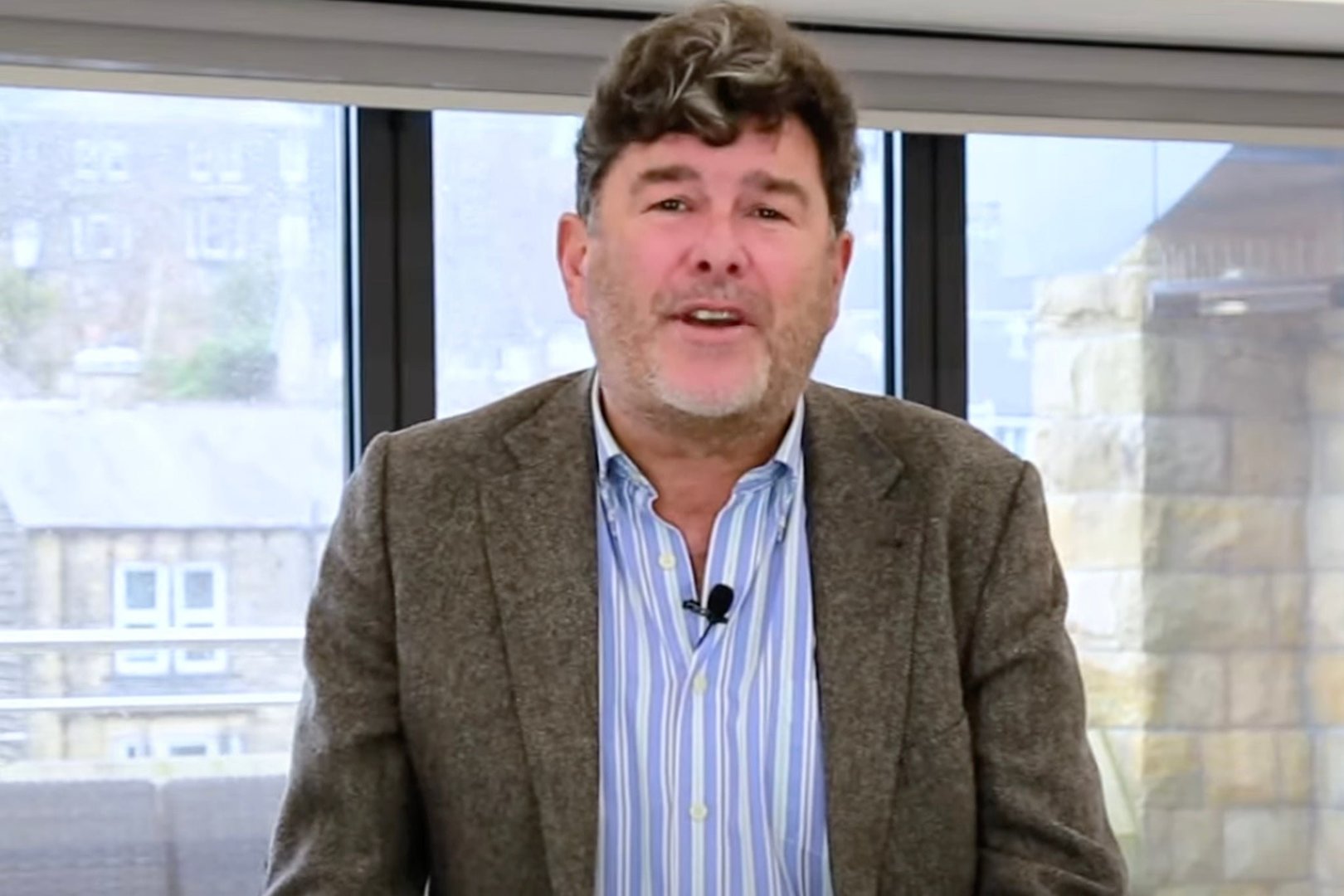
However, not all issues traced back to the Middle East. Businessman Frank Hester, an Irish-descended Conservative donor, faced condemnation, including by Prime Minister Sunak, for making racist comments in 2019. Despite his history of voting for the Green Party, Hester's closeness to Sunak, rather than the Conservative Party at large, has come under scrutiny.
The government initially hesitated to label Hester's remarks as racist but ultimately acknowledged them as such. Sunak suggested that Hester's expressed remorse should be accepted, differentiating between making a racist comment and being a racist individual.
This distinction is part of the broader debate on "cancel culture," where some claim tolerance advocates aim to silence disagreeable voices. The discussion extends to whether the Conservative Party should keep Hester's donations, a decision they have so far affirmed.
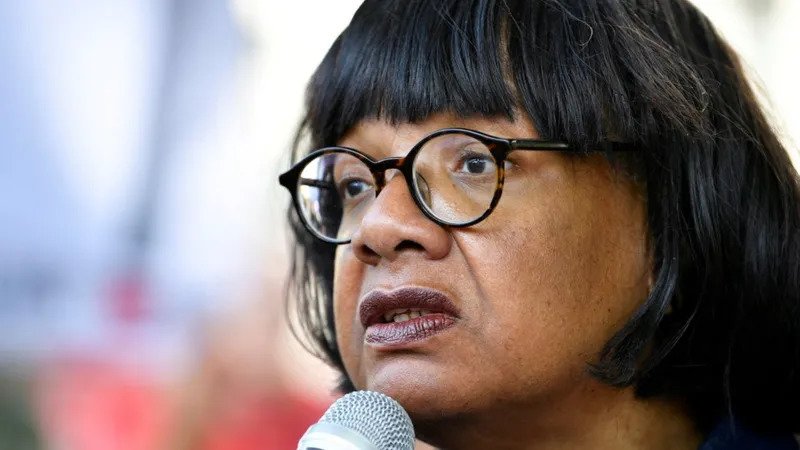
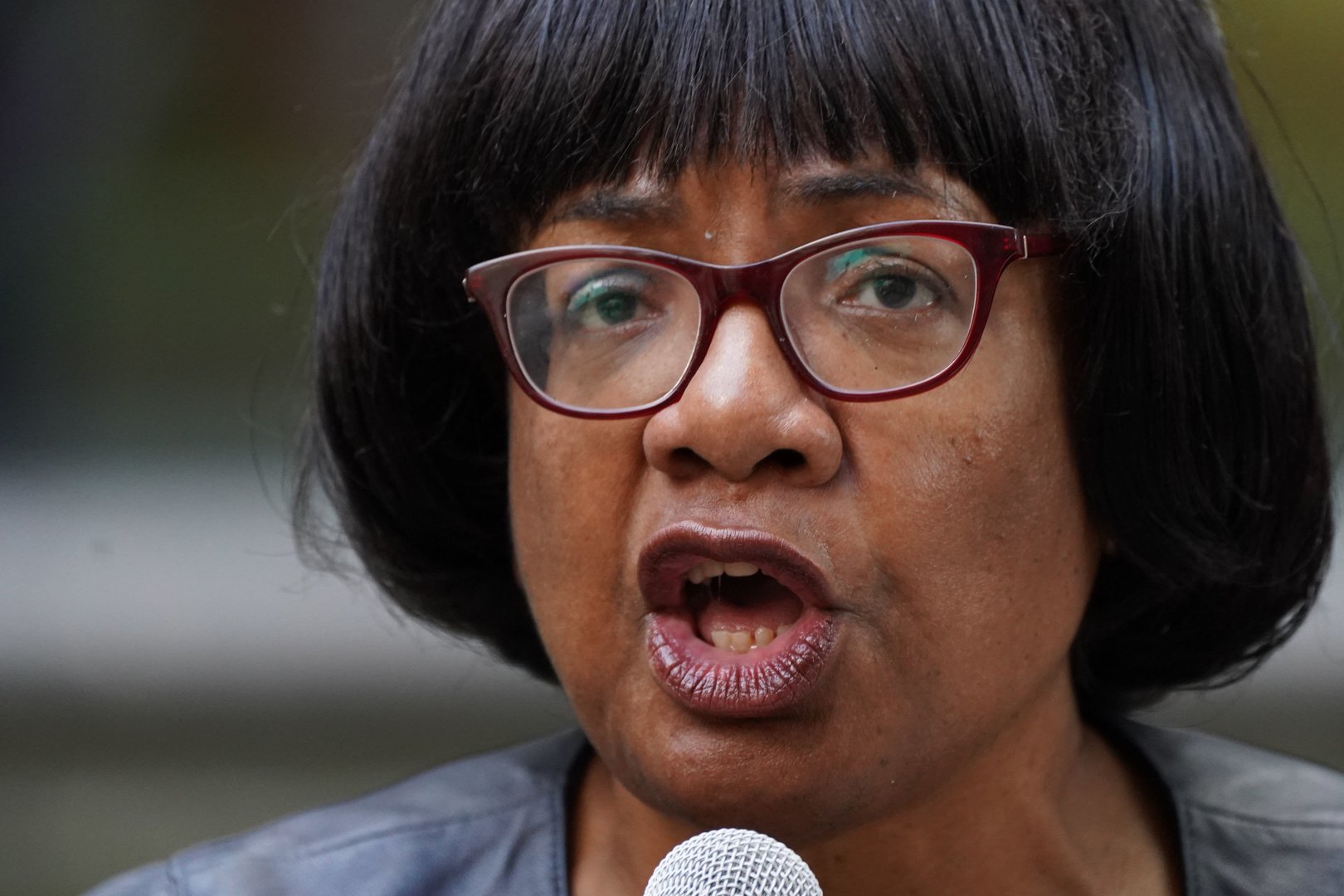
Diane Abbott, the first black female MP, who has faced substantial abuse, particularly on social media, found herself expelled from the Parliamentary Labour Party nearly a year ago for anti-Semitic comments, which she apologized for.
Her case underscores the intense societal grappling with complex issues of belonging, identity, and offense in the 2020s—a process often marked by discomfort.