The report features general examples of negative staff experiences, including being disregarded in meetings and insubordination.
Respondents also reported being subjected to bullying and intimidation for reporting concerns, being labeled as a "grass," and experiencing inappropriate behavior.
The report also notes concerns around working arrangements, including lack of support for flexible working plans and negative consequences for those who raise issues and grievances.
The report includes the findings of an anonymous survey which was made available to all staff and gathered 528 responses between August and October of last year.
The survey found that 81% of respondents agreed that sexism and misogyny is an issue, and that 86% of female colleagues have either been subjected to or witnessed sexism and misogyny.
More than 40% of male colleagues have also witnessed sexism and misogyny.
The report concludes that support within the organization is limited and negative consequences are common for those who make complaints.
The report also recommends providing "safe spaces" for reporting and considering an informal mediation process to resolve issues, as opposed to raising a formal grievance.
Sir Iain Livingstone, Chief Constable of Police Scotland, stated that his force is institutionally racist and discriminatory.
He claimed that officers were "deeply offended" by his comments but insisted that he was referring to the institution, not individual officers.
In response, Police Scotland launched a four-year strategy called "Policing Together" in 2020 to tackle discrimination within the force and in the community.
The strategy includes a mandatory leadership program to be rolled out to approximately 5,000 officers and staff to improve the workplace culture.
LONDON DAILY ARCHIVE
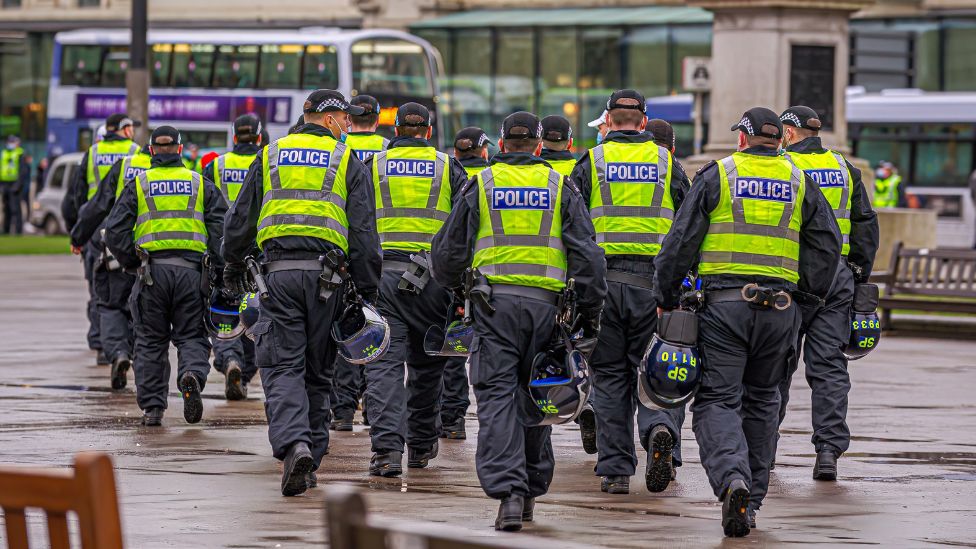
Police Scotland officers who speak out against sexism and misogyny within the force fear retaliation and feel they have a "target on their back," according to a new report
The report, which was compiled for the Scottish Police Authority's people committee, highlights previously expressed concerns that a "boys' club culture" exists in some parts of the national force.
30 May 2023 · 23:10 UTC