LONDON DAILY ARCHIVE
Parliamentarian Advocates for Preservation of AI Liability Directive
German MEP Axel Voss cautions that eliminating the AI liability regulations may result in legal ambiguity and a disordered regulatory environment throughout Europe.
14 February 2025 · 09:16 UTC
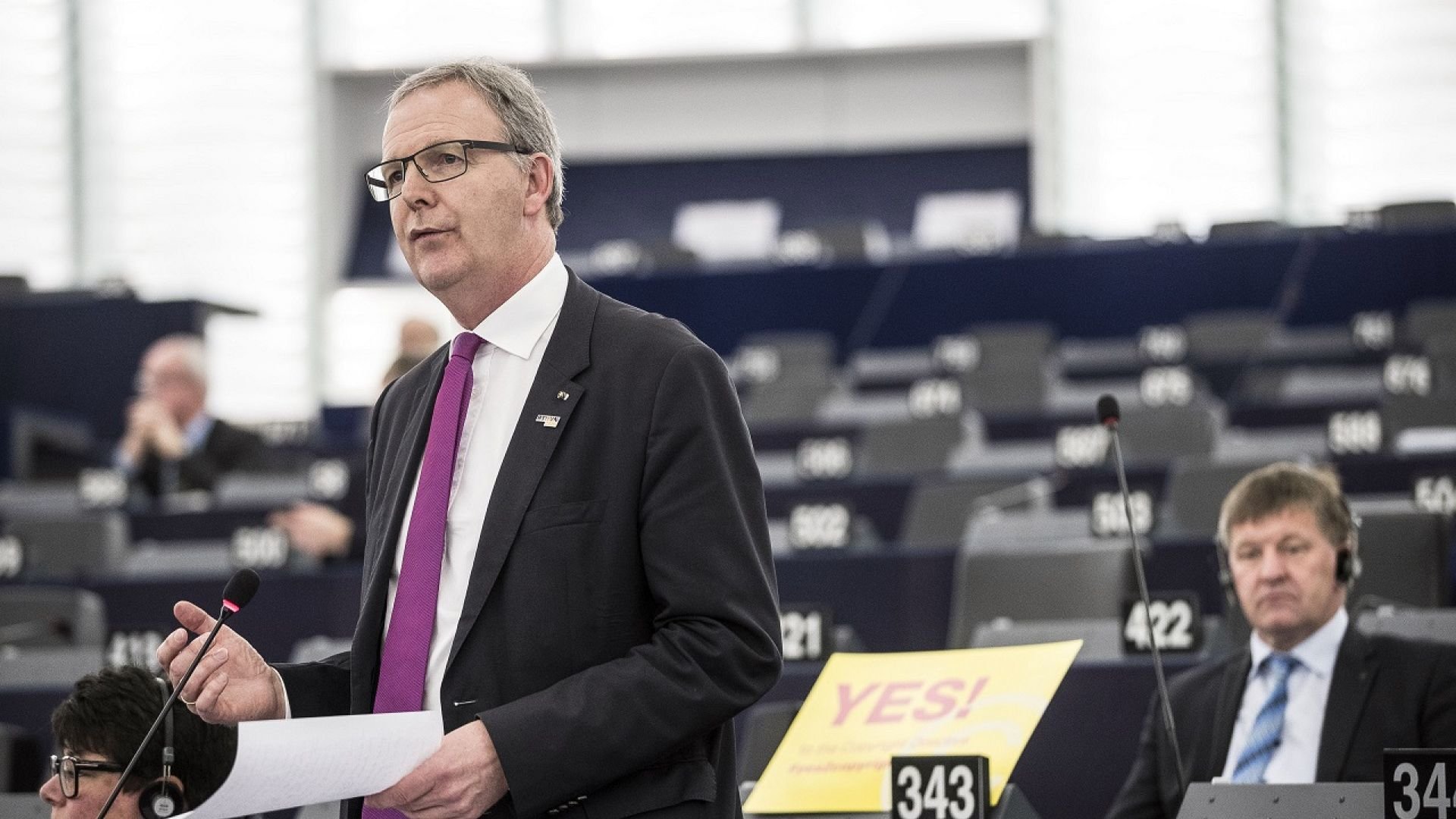
The Commission's 2025 work programme, which will be unveiled in Strasbourg on Wednesday, outlines a series of proposals set for withdrawal, including the AI Liability Directive introduced in 2022 alongside the AI Act.
This directive aimed to update current liability frameworks by tackling harms caused by artificial intelligence systems and ensuring consistent protection across the EU.
The Commission's documentation indicates there is "no foreseeable agreement" on the proposal in the next year, leading to its planned withdrawal, with an option for further evaluation later.
Voss, who commenced consultations this month to collect industry input on the rules' scope, cautioned that scrapping the directive would create legal ambiguity and unequal power dynamics for businesses.
He emphasized that in the absence of a cohesive approach, liability for AI-related damages would fall under a disjointed network of twenty-seven distinct national legal systems, a situation potentially detrimental to European AI startups and small to medium-sized enterprises.
This issue has also spurred divisions among tech lobbyists and consumer advocacy groups in Brussels.
While industry representatives contend that the revised Product Liability Directive addresses many relevant concerns, consumer organizations have welcomed the extra protections suggested in the AI Liability Directive.
A report from the European Parliament's research service pointed out possible deficiencies in the existing legal framework, particularly regarding large language models like ChatGPT and Claude.ai.
European Commissioner Maroš Šefčovič, who presented the Commission's plans at a press conference in Strasbourg, remarked that some initiatives have been stalled for several years, raising doubts about their advancement this year.
He mentioned that the withdrawal list is designed to encourage discussion among co-legislators and that the Commission could re-evaluate its stance if adequate support is shown for further efforts on the directive in the coming year.