LONDON DAILY ARCHIVE
NHS funding faces biggest real-terms cuts since 1970s, warns IFS
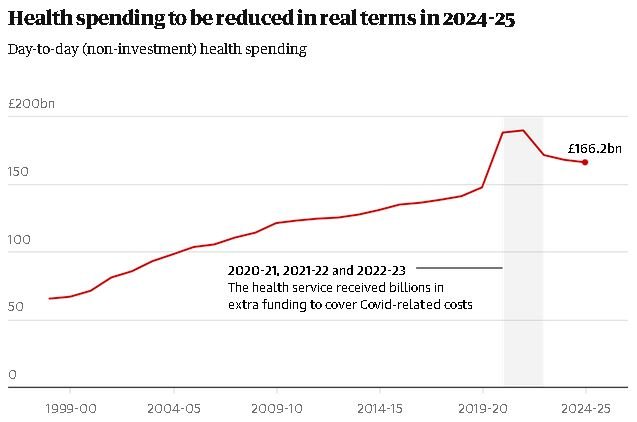
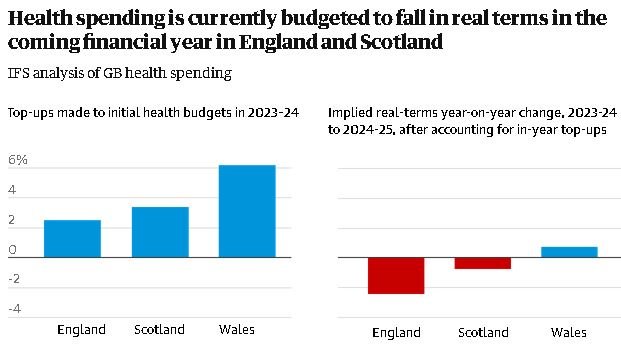
The Institute for Fiscal Studies (IFS) warns that the NHS in England is set to experience substantial real-term funding cuts, the largest since the 1970s, while facing additional expenses such as personnel strikes and workforce expansion.
05 March 2024 · 04:22 UTC


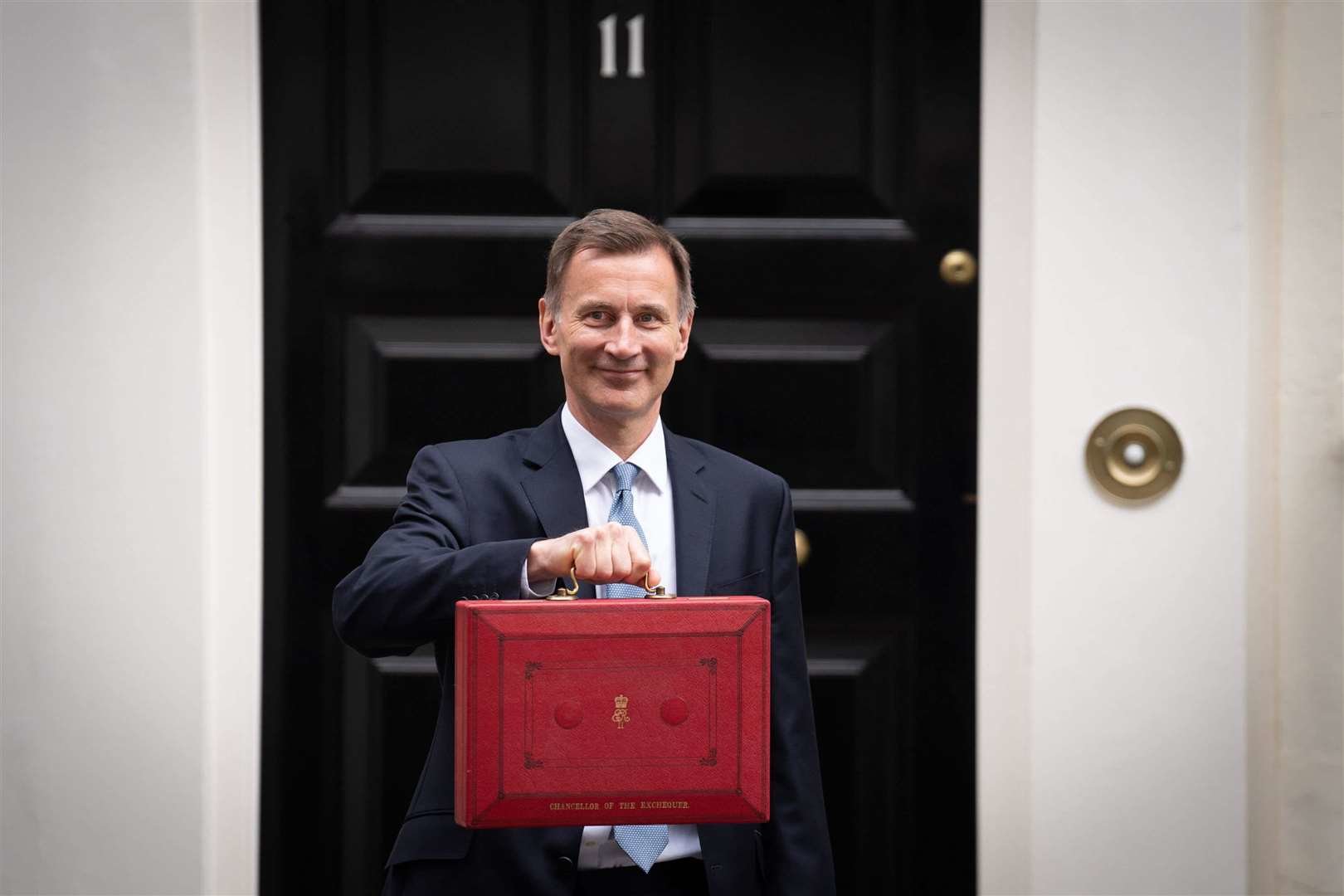

Chancellor Jeremy Hunt is under scrutiny to balance public service funding with proposed tax cuts in the upcoming budget. The IFS's warning coincides with reports of Hunt's plans to limit NHS spending on agency workers, which amounts to a £4.6 billion annual cost, to address staff shortages.
Additionally, there's talk of a possible extension of the 5p per litre fuel duty cut, costing £5 billion. Public sector spending plans for the next term might necessitate cuts similar to the Cameron government's austerity measures from 2010 to 2015, raising concerns about the viability of such a move without increasing taxes or borrowing.
The Liberal Democrats and healthcare leaders are criticizing the proposed NHS budget cuts, suggesting dire consequences for patient care and financial stability, especially in the wake of substantial costs from extended strike actions.
In response to the financial strain, the Department of Health and Social Care (DHSC) already received an emergency £4.4 billion from the Treasury this year to prevent budget overruns, with a significant portion dedicated to covering staff raises and strike costs.
Trust leaders from NHS Providers highlight the financial challenges and pressures from ongoing industrial action. They emphasize the necessity for Treasury support to cover striking-related expenses fully.
Meanwhile, Hunt aims to target the significant funds—about £4.6 billion UK-wide—spent on employment agencies by capping their earnings. This comes after an increase in the annual cap last year and previous attempts by Hunt to regulate agency costs during his tenure as health secretary.
Shadow health secretary Wes Streeting criticized the government's reliance on expensive recruitment agencies due to a lack of trained doctors and nurses, blaming Conservative policies for the current strikes and lengthy patient wait times. The DHSC has yet to respond to these developments.