LONDON DAILY ARCHIVE
NHS Facing Historic Junior Doctors' Strike
The NHS is experiencing its longest strike as junior doctors begin a six-day walkout, affecting nearly 50% of its medical staff in England. Routine care is predicted to stall, especially because of escalated illnesses and staff shortages at this peak time. NHS England's Prof Sir Stephen Powis describes the situation as particularly difficult, similar to challenges faced since 1948.
03 January 2024 · 10:48 UTC
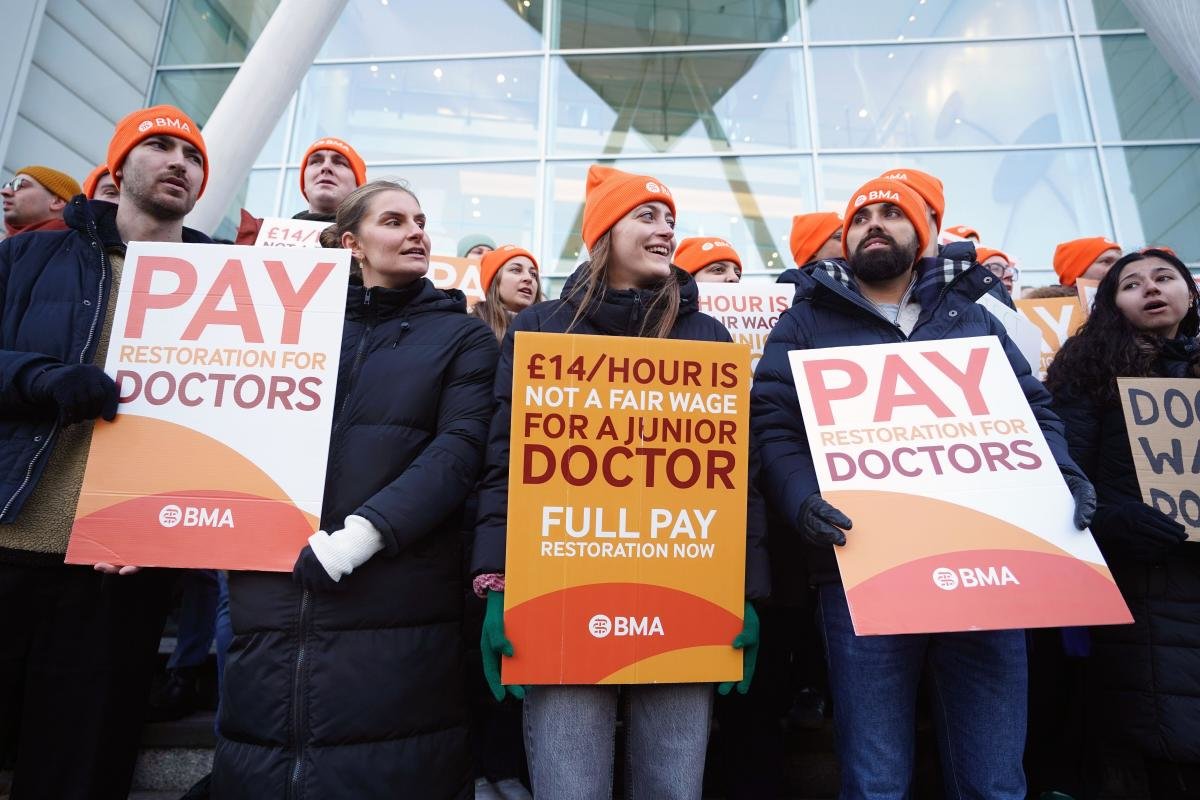
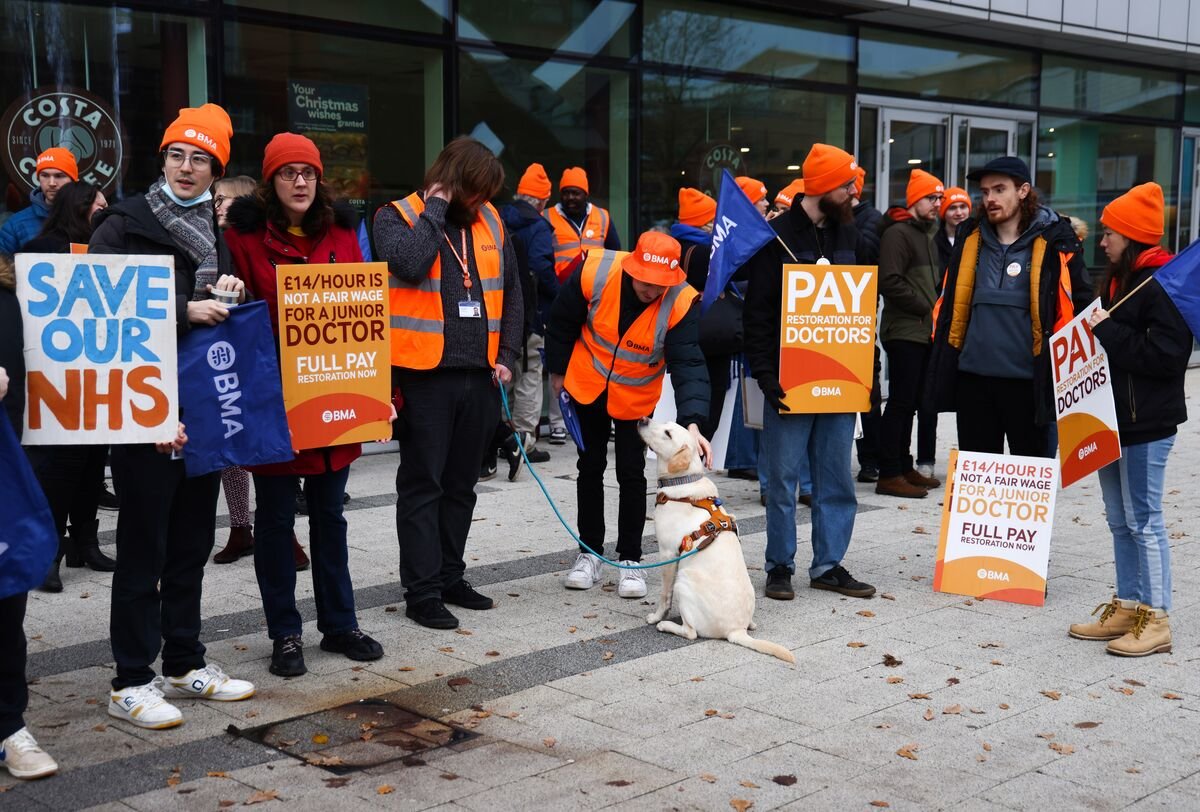
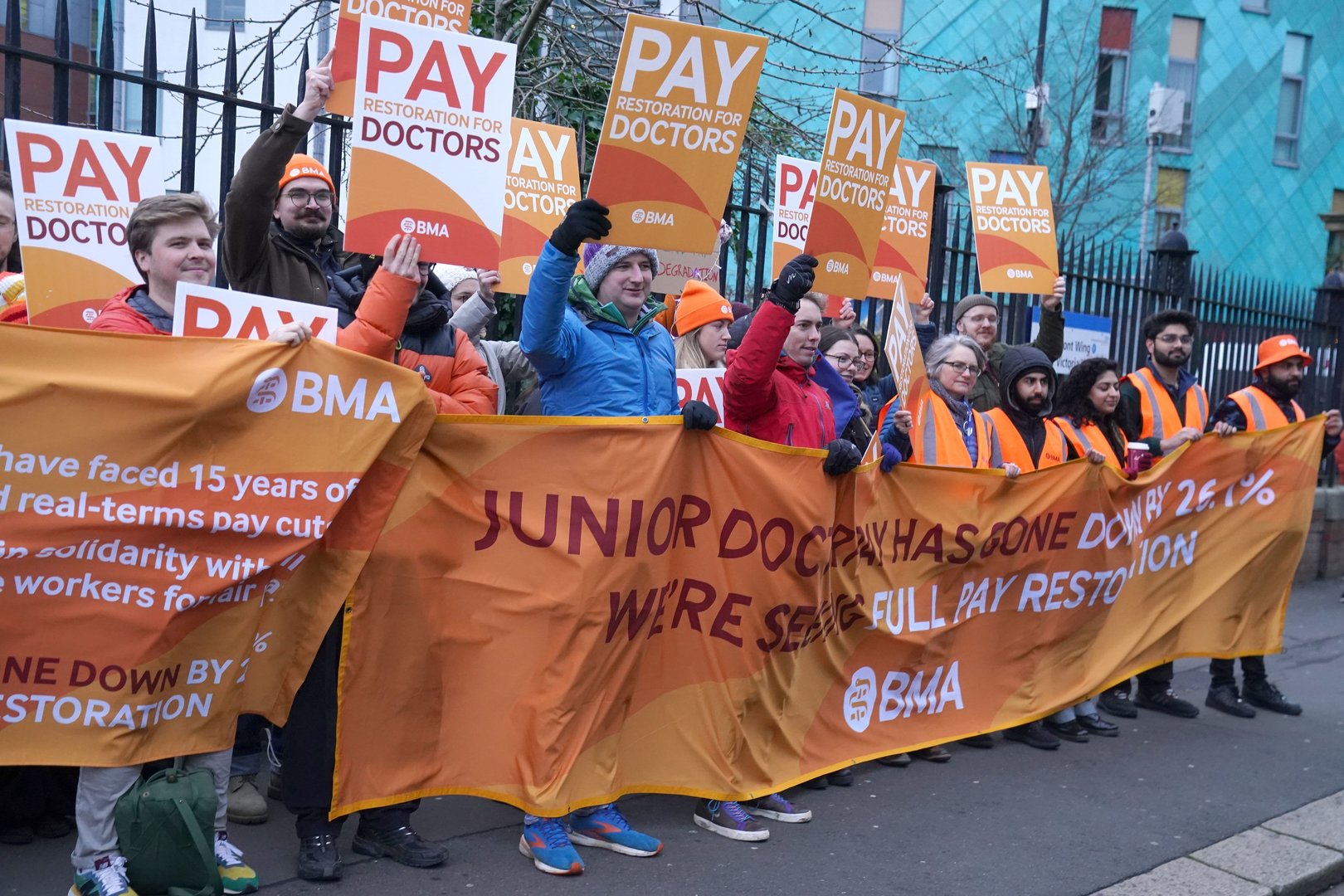
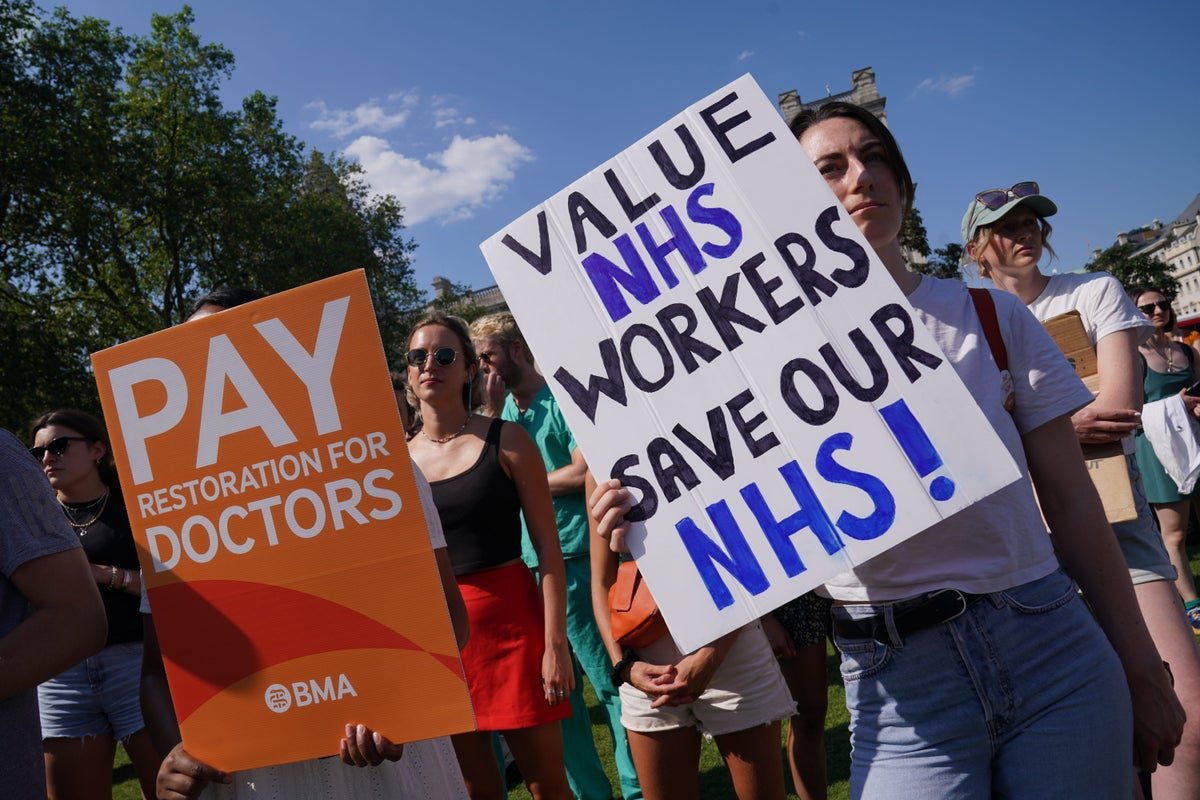
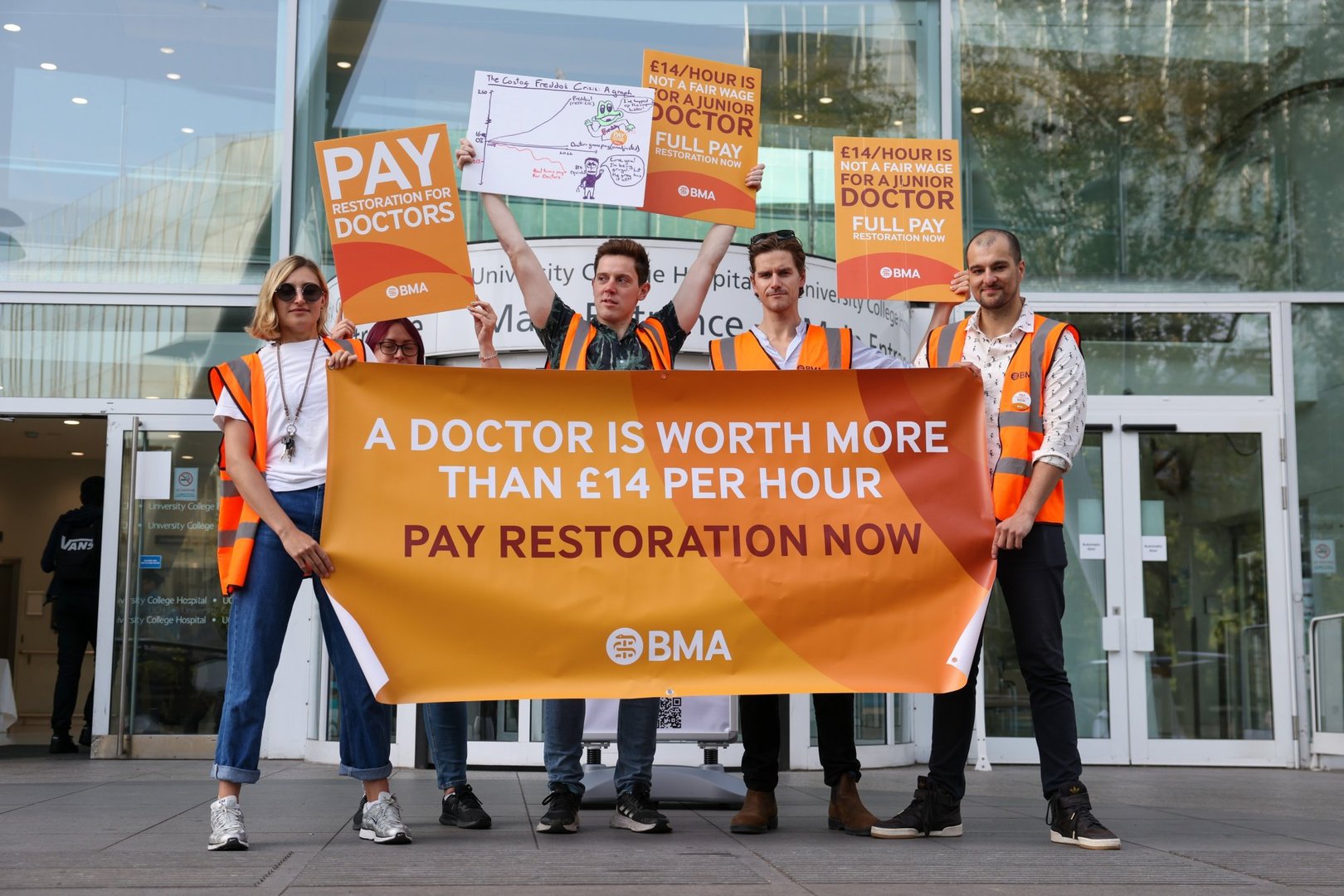
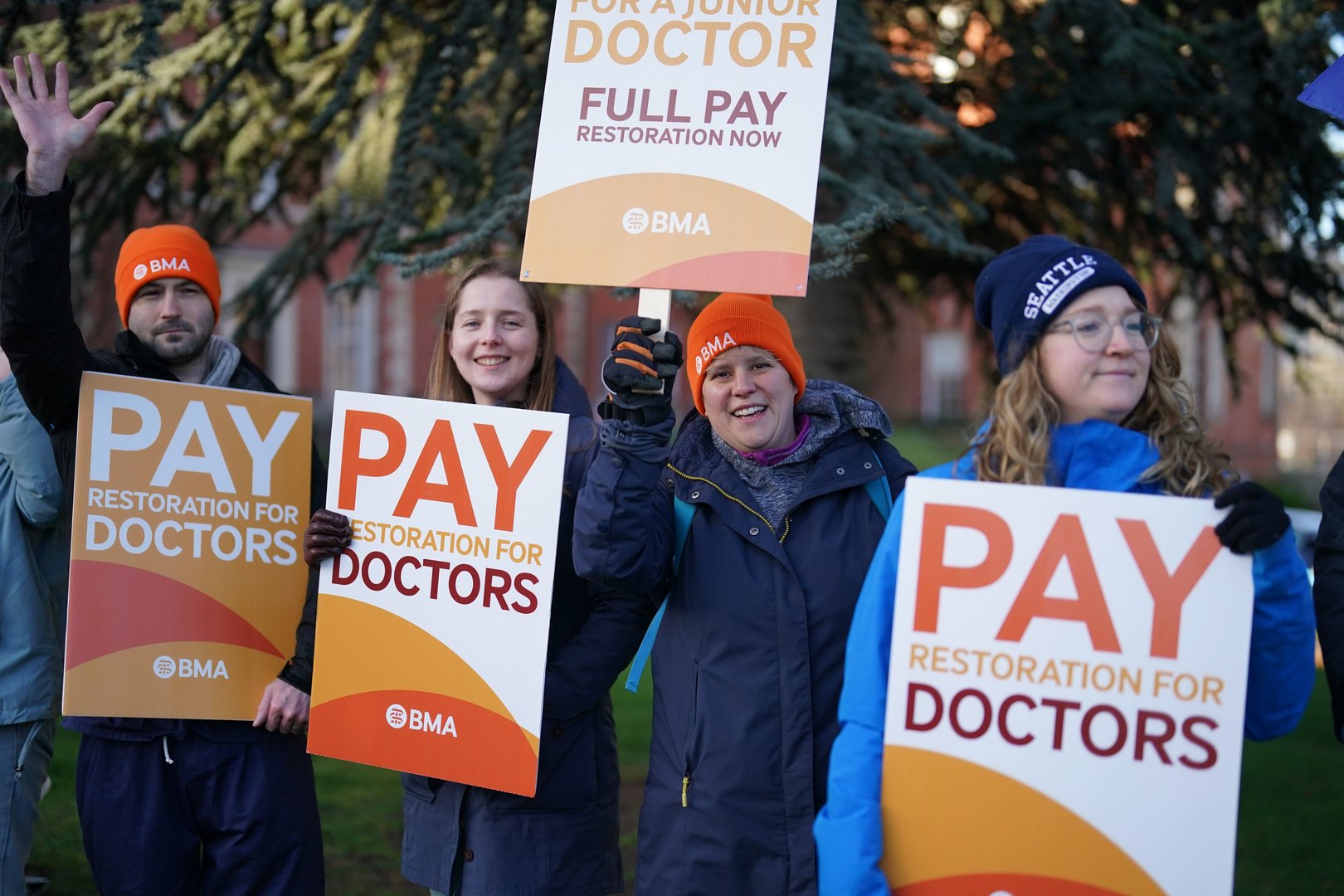
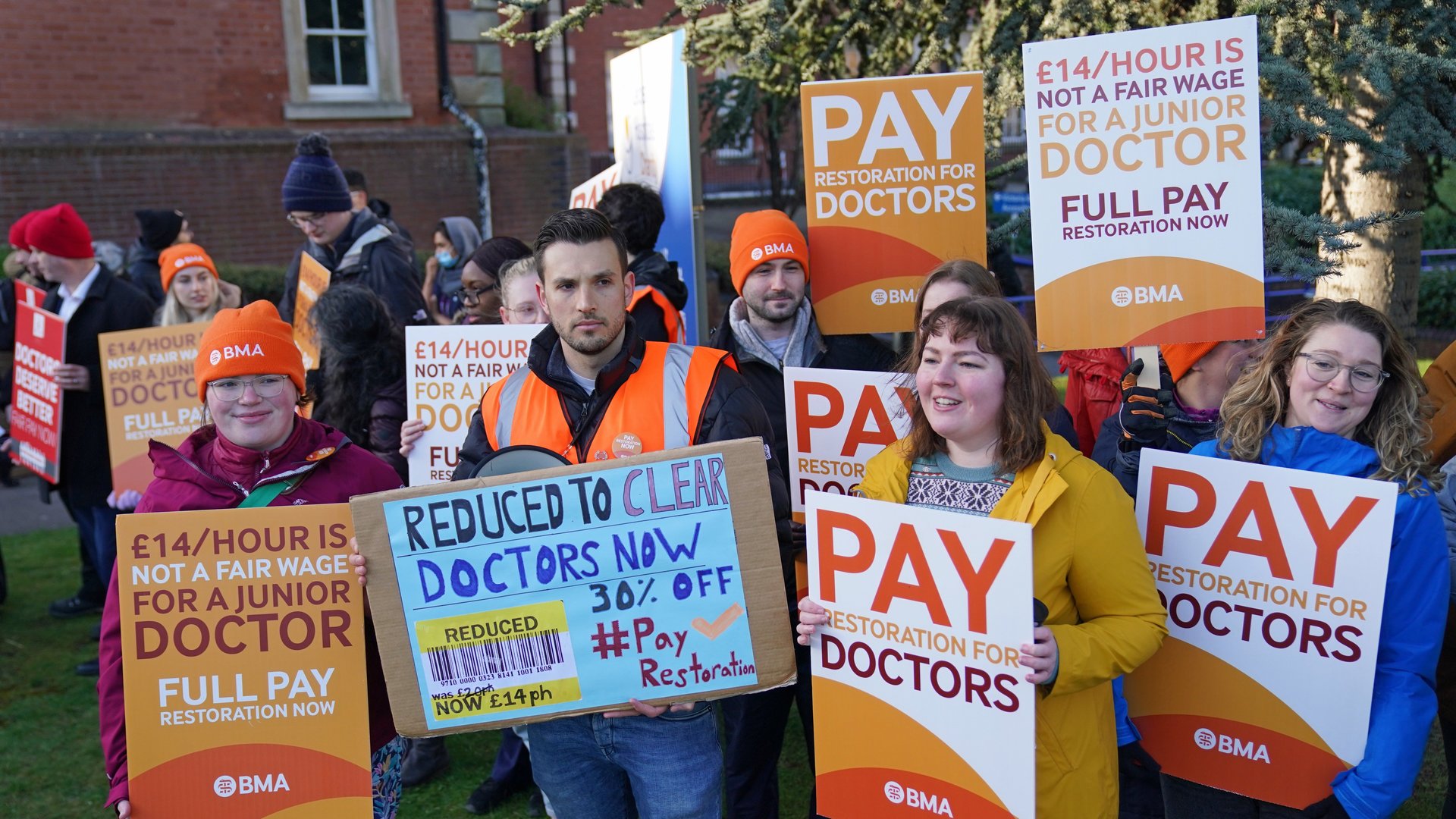
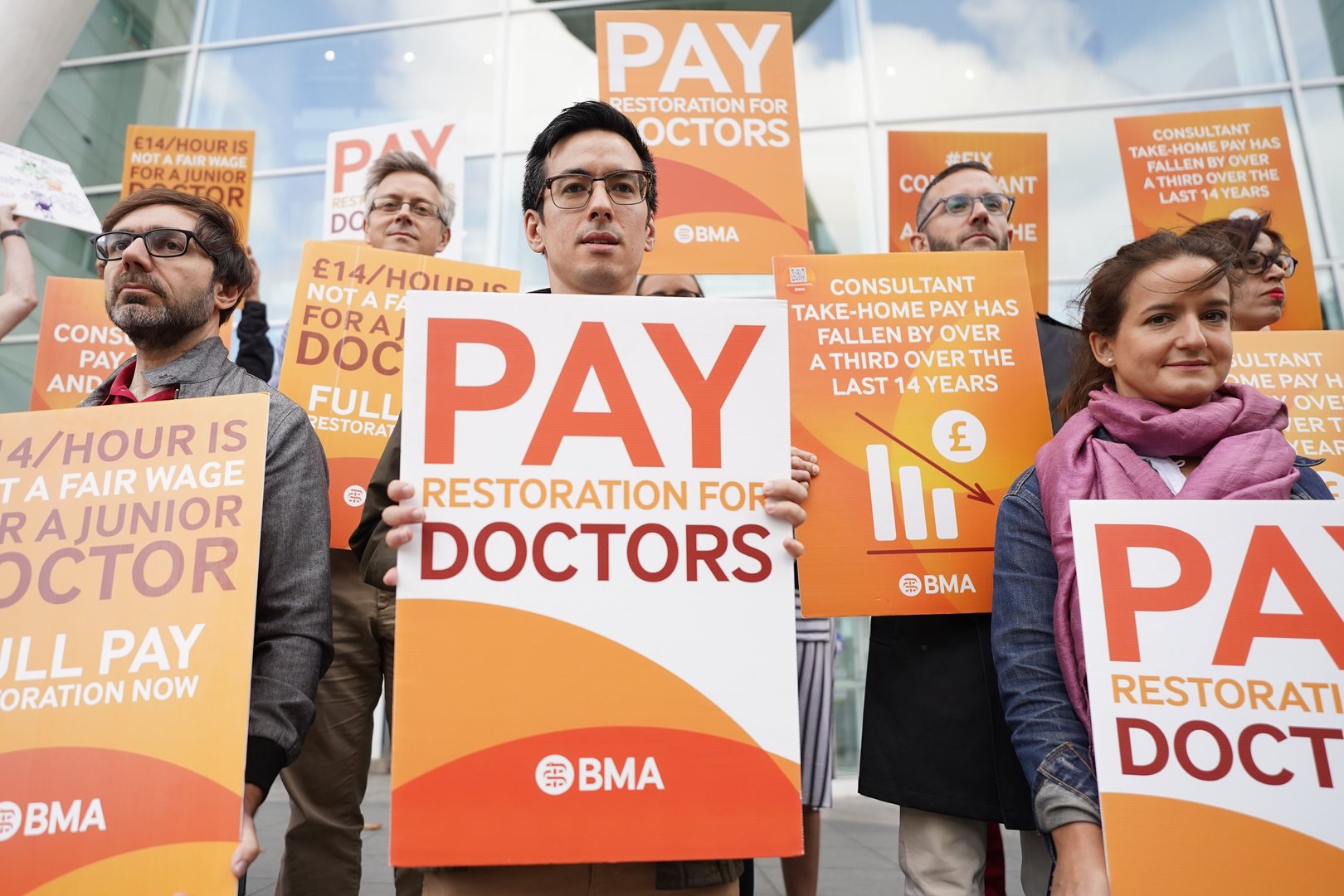
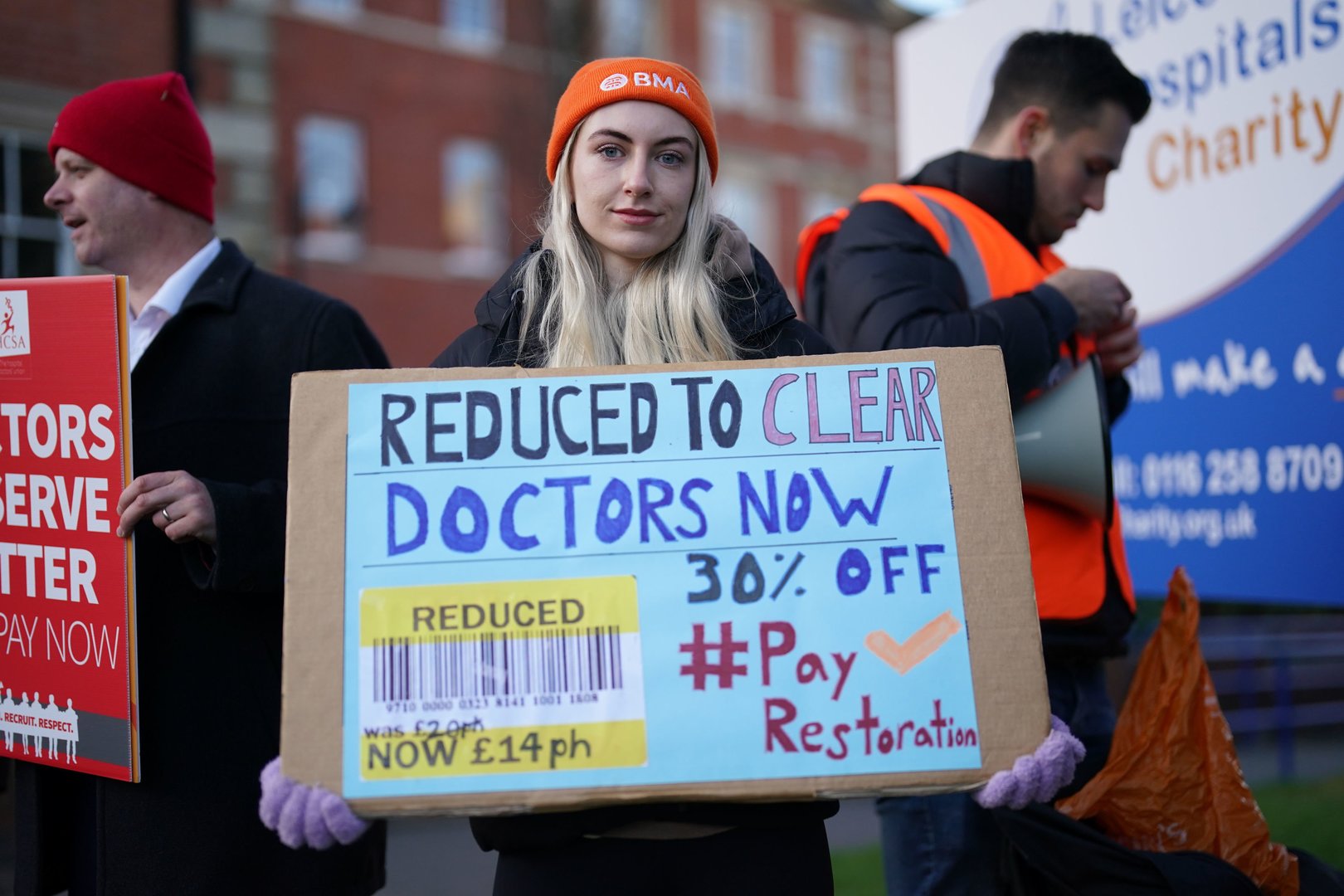
Routine procedures, such as joint replacements, are expected to face significant cancellations, with senior doctors reassigned to cover emergencies. However, not all emergency departments can maintain service, with some, like Cheltenham A&E, redirecting patients to nearby facilities. High-risk areas, including cancer and maternity services, face the brunt, despite calls for strike exemptions being denied.
Patient Guidance During the Strike
Those facing life-threatening emergencies should dial 999, while others should use the 111 service or attend pre-scheduled appointments unless instructed otherwise. GP services may also encounter disruptions, with groups like Age UK expressing deep concern for the vulnerabilities of the elderly during the strike.
Extent of Disruption and Costs
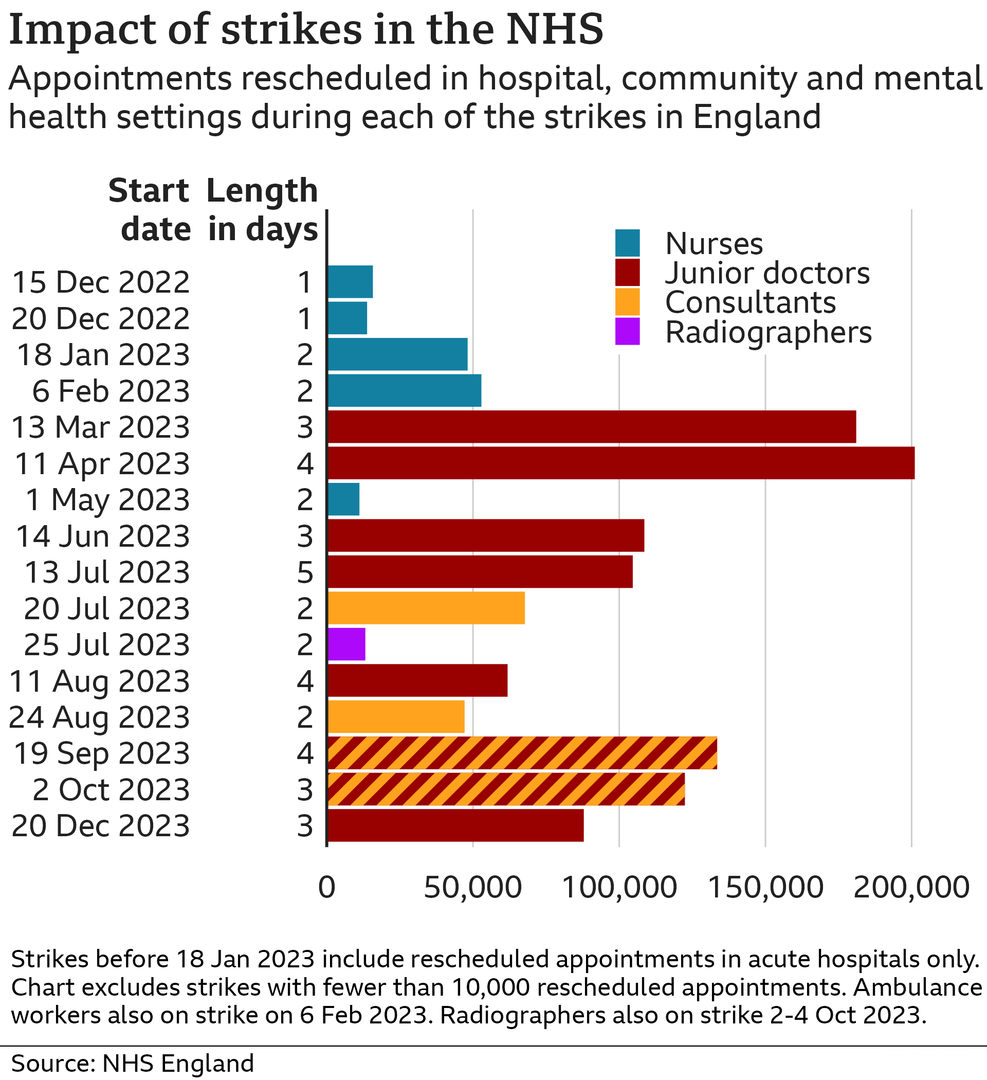
Junior doctors have already striked for 28 days over pay disputes, resulting in over 1.2 million cancelled appointments and treatments. The ongoing industrial actions, including other NHS staff, have been enormously disruptive, with the financial toll exceeding £2 billion.
Patients Express Solidarity Despite Inconvenience
Patients, such as Nigel Hewitt, who have had treatments postponed due to strikes, express frustration yet sympathize with the doctors, acknowledging the need for fair compensation to attract and maintain NHS staff.
Stalled Negotiations and Financial Details
Talks between the government and the BMA collapsed in December, with a 3% pay raise on the table in addition to an earlier 9% increase. Junior doctors, however, are demanding a 35% raise to counteract years of below-inflation rises. Health Secretary Victoria Atkins urges a return to negotiations, whereas BMA representatives seek a "credible offer" for improved staffing and professional valuation.
While NHS staff other than doctors have settled for 5% plus a one-time payment and consultant strikes are paused, junior doctors in Wales and Northern Ireland consider or engage in protests. In contrast, Scottish juniors have secured a 12.4% raise for 2023/24, following a 4.5% hike for 2022/23, with future talks promised.