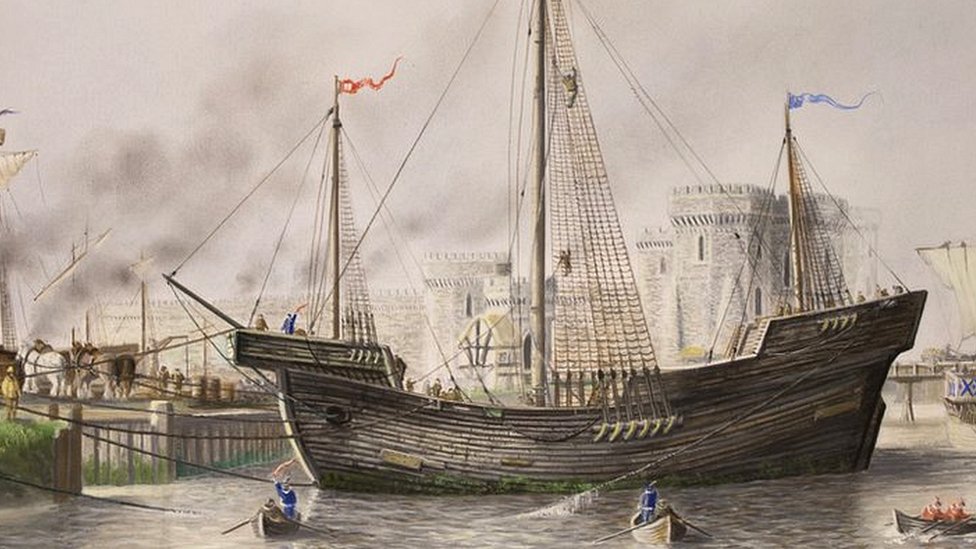


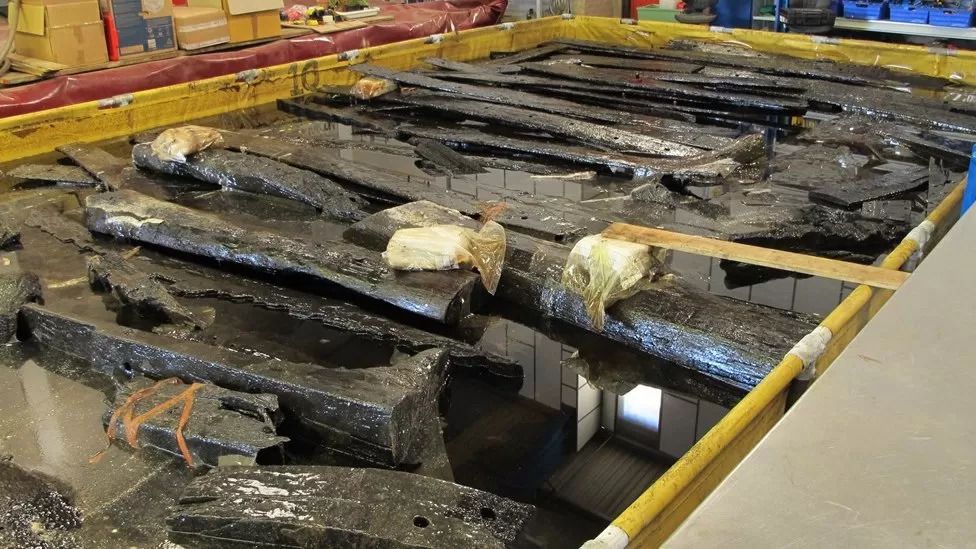
A remarkable archaeological discovery involves a medieval ship, believed to originate from the 15th century, which was unearthed in the mud of Newport's River Usk in Wales back in 2002. This ship's historical significance is often likened to that of the famous Mary Rose. Now, after more than two decades of conservation efforts, researchers have managed to pinpoint the ship's construction date with incredible precision.
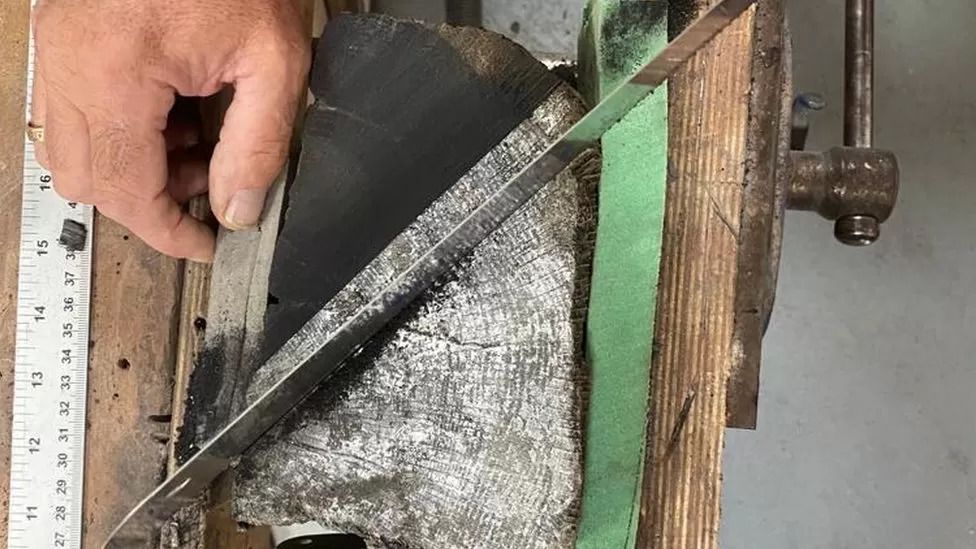
Using an advanced technique called oxygen isotope dendrochronology, experts have determined that the ship's timbers were fashioned from oak trees that were felled during the winter of 1457-58. This level of accuracy allows historians to refine their understanding of when the ship was built and how long it was in use before it ended up in Newport for repairs in the late 1460s.
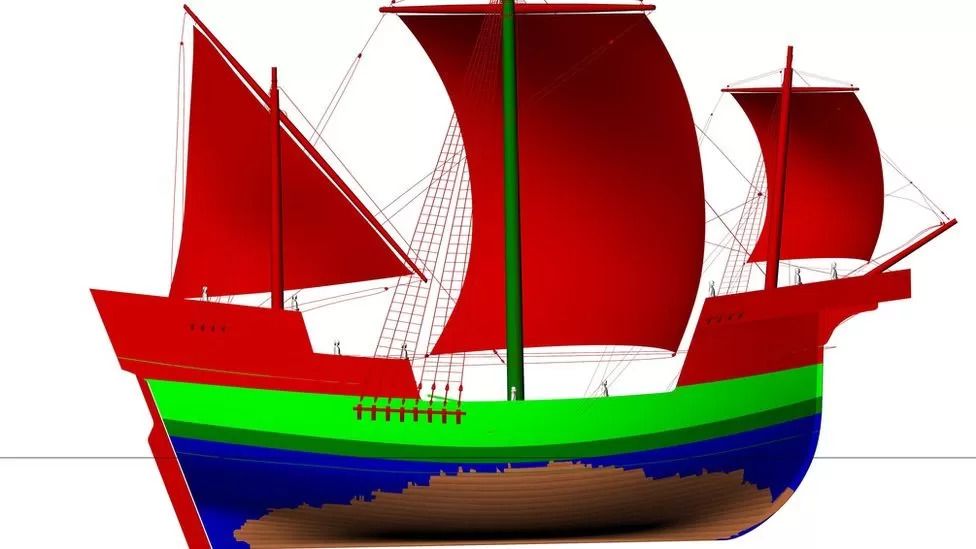
The Newport ship is considered one of the most captivating shipwrecks found in British waters in recent history. Its reconstruction is an ongoing endeavor, and this newfound knowledge could significantly contribute to the restoration process. Moreover, the use of oxygen isotope dendrochronology is being hailed as a revolutionary development in archaeology, offering a new way to date not only ships but also other ancient wooden structures and artifacts. It's a game-changer that can unlock more insights into the history of wooden objects that have stood the test of time.