LONDON DAILY ARCHIVE
NASA Presents a 'Teaspoonful of Asteroid' Bennu to the UK
NASA has sent a small sample of the asteroid Bennu, described as one of the most hazardous objects in the Solar System, to the United Kingdom for research. The modest amount of asteroid material, about a teaspoon's worth (100 milligrams), will undergo extensive testing at institutions such as the Natural History Museum and several universities.
29 November 2023 · 10:06 UTC
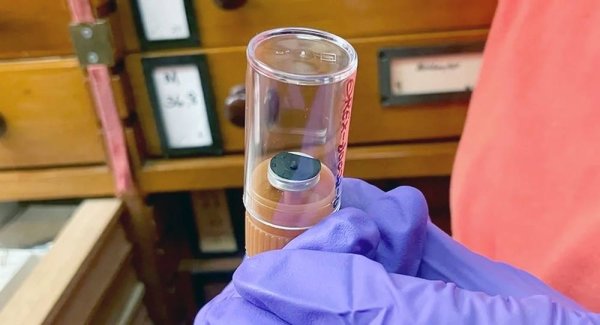
Scientists are interested in Bennu partly because of the slight risk it poses to Earth over the next few centuries. However, they are also eager to investigate the asteroid's composition for clues about the origins of the Solar System 4.6 billion years ago.
International teams, including NHM experts, will analyze the sample using advanced techniques like X-ray diffraction. Dr. Ashley King from the NHM highlights their unique capabilities in this regard and plans to use Diamond Light Source, the UK's largest XRD facility, to delve deeper into the mineral content of the sample.
Initial assessments by NASA, with assistance from Dr. King, have revealed that the Bennu fragments contain carbon and hydrated minerals, which supports theories that asteroids like Bennu may have contributed essential components to the early Earth, potentially including the water in our oceans and organic compounds necessary for life.
Though the fragments delivered to the UK are tiny, they represent a vast scientific potential. However, there's a minor setback as NASA has encountered difficulties in fully opening the Osiris-Rex sample container. In the meantime, the British researchers are working with the 70 grams of material that spilled during the container's sealing, which is already more than the mission's minimum goal.
Research findings are expected to be presented at the Lunar and Planetary Science Conference and published in the journal Meteoritics & Planetary Science. NASA aims to archive most of the Bennu sample for future research by scientists who haven't yet been born, leveraging technologies yet to be developed.