LONDON DAILY ARCHIVE
Mark Carney Poised to Lead Canada Amidst International Challenges
The former central banker and potential Liberal Party leader is seen as a stabilizing figure in Canadian politics as Trudeau steps down.
08 March 2025 · 09:16 UTC
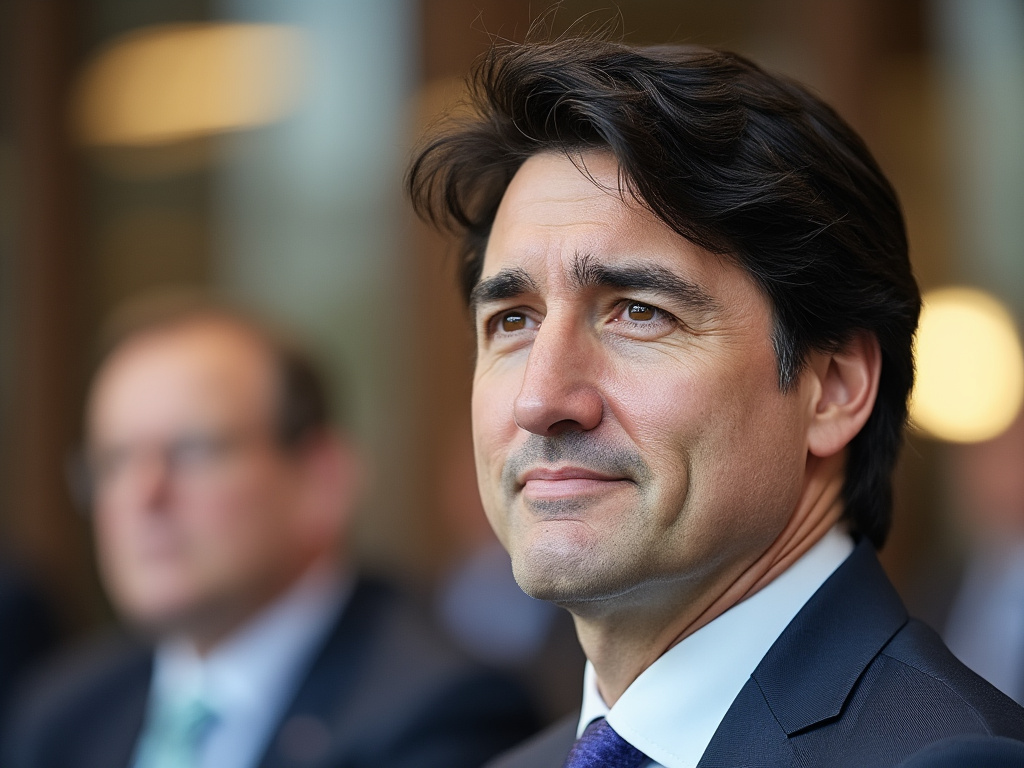
Carney's anticipated rise comes in the context of Trudeau's announcement in January that he would resign following declining approval ratings and disputes within the party.
Carney, who began his career at Goldman Sachs before serving as the Governor of the Bank of Canada from 2008 to 2013, gained substantial recognition during his tenure as the Bank of England's first non-British governor from 2013 to 2020. He has been praised for his handling of monetary policy and for bringing a global perspective to the role, especially amidst complex economic challenges.
Former European Central Bank president Jean-Claude Trichet noted the unusual nature of Carney's appointment, indicating that while appointing a foreigner as a central banking leader was not typical, Carney's strong reputation facilitated his selection.
George Osborne, former Chancellor of the Exchequer, emphasized that Carney's international experience would benefit Canada and Western leaders as they navigate challenges posed by U.S. President Donald Trump, who has previously threatened Canada with potential tariffs and annexation.
Osborne highlighted Carney's ability to engage with international counterparts without intimidation.
Roland Lescure, who previously served as France’s industry minister, stressed Carney's connections with French President Emmanuel Macron, noting that their familiarity could enhance relations between France and Canada.
Lescure characterized Carney as a figure akin to Mario Draghi, the former president of the European Central Bank, reflecting his deep-rooted connections within international finance.
In his leadership bid, Carney has branded himself as an outsider, emphasizing that he is 'not a career politician', although he is recognized for his engagement with public and political discourse during his time in the UK. Osborne remarked on Carney's efforts to connect with the general populace through tours and engagements that are atypical for central bankers.
Carney's tenure as a global leader has included advocacy for sustainable finance, particularly in pushing banks and investors to address climate change seriously.
His role during the Brexit negotiations also led to scrutiny from proponents of leaving the European Union, where he warned about the financial risks associated with departure from the EU.
As he positions himself for the leadership of the Liberal Party, Carney faces a competitive landscape, particularly against Conservative Party leader Pierre Poilievre, amidst rising political tensions.
Polling aggregator 338Canada indicates that the Liberal Party is trailing the Conservatives by only six points, a significant narrowing compared to a 25-point deficit prior to Trudeau's resignation.
Political analysts continue to examine how Carney's international expertise will resonate in Canadian politics and how quickly he may seek to engage the electorate in a formal election as parliament resumes.