LONDON DAILY ARCHIVE
Major Research Exposes Administrative Failures in NHS Services
A study reveals significant dysfunction in NHS communication and administration affecting patient experiences across England.
17 February 2025 · 06:26 UTC
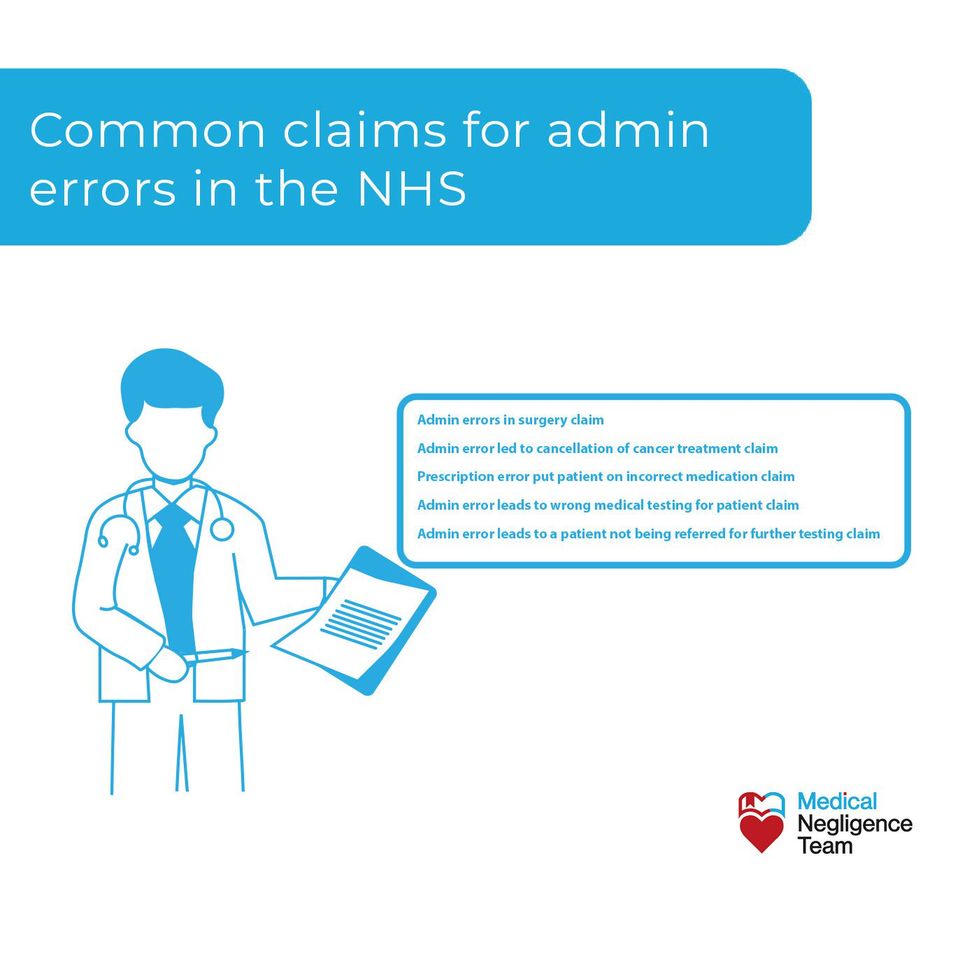
According to the research, 64% of respondents who utilized NHS services or arranged care for others in the past year reported experiencing problems in these areas.
The survey, conducted by Ipsos and involving 1,888 adult participants, found that many patients felt frustrated with various administrative challenges.
Among those who reported difficulties, 32% had to actively pursue the results of medical tests, scans, or X-rays.
Additionally, 32% indicated that they were not informed about the expected wait times for their care or treatment, while 23% were unsure of whom to contact during their waiting period.
Furthermore, 20% received invitations for appointments after those appointments had already occurred.
Despite this, the survey revealed a mixed perception of the NHS’s communication effectiveness.
While 52% of the public deemed the service good at communicating with patients, 25% expressed dissatisfaction with the responsiveness and clarity of communications.
The report's findings coincide with claims made by Labour Party leader Keir Starmer, who asserted that the NHS has made progress in reducing treatment waiting times by providing 2 million additional appointments within seven months, exceeding previous expectations.
NHS England verified that 2.2 million more planned care appointments have been recorded between July and November of the previous year compared to the same timeframe in the prior year.
The report, titled 'Lost in the System,' highlights that individuals with long-term health conditions, ethnic minorities, and people from lower socioeconomic backgrounds were disproportionately affected by administrative issues.
Notably, 75% of those with chronic illnesses experienced difficulties, compared to 57% of those reported to be in good health.
Jacob Lant, chief executive of National Voices, emphasized the impact of administrative challenges on patient experiences, suggesting that the lack of efficient communication leaves many patients feeling trapped in a loop of unanswered inquiries and no-reply communications.
Julia Cream, a policy fellow at the King’s Fund and co-author of the study, stated that the report underscores the ongoing dysfunction within the NHS's system, which often fails to meet the needs of the public and highlights the prevailing disparities in access to health services.
Additionally, a separate survey conducted by Savanta for the Liberal Democrats revealed that 19% of respondents considered their local hospitals to be unsafe for treatment.
Concerns cited by patients included potential structural failures, such as roofs collapsing (27%), rodent infestations (26%), and risks of flooding or sewage issues (20%).
Helen Morgan, spokesperson for health and social care for the Liberal Democrats, criticized the state of the NHS infrastructure, underscoring the urgent need for improvements to ensure patient safety and trust in the healthcare system.
The increasing perception of administrative struggles and safety issues represents a significant challenge for the NHS as patient demand continues to rise.