LONDON DAILY ARCHIVE
Macron Hosts European Leaders in Ukraine Summit Amid Rising Tensions with the US
European defense powers convene in Paris to address security concerns as US-Russia talks unfold in Riyadh, highlighting a potential divide in transatlantic relations.
17 February 2025 · 06:26 UTC
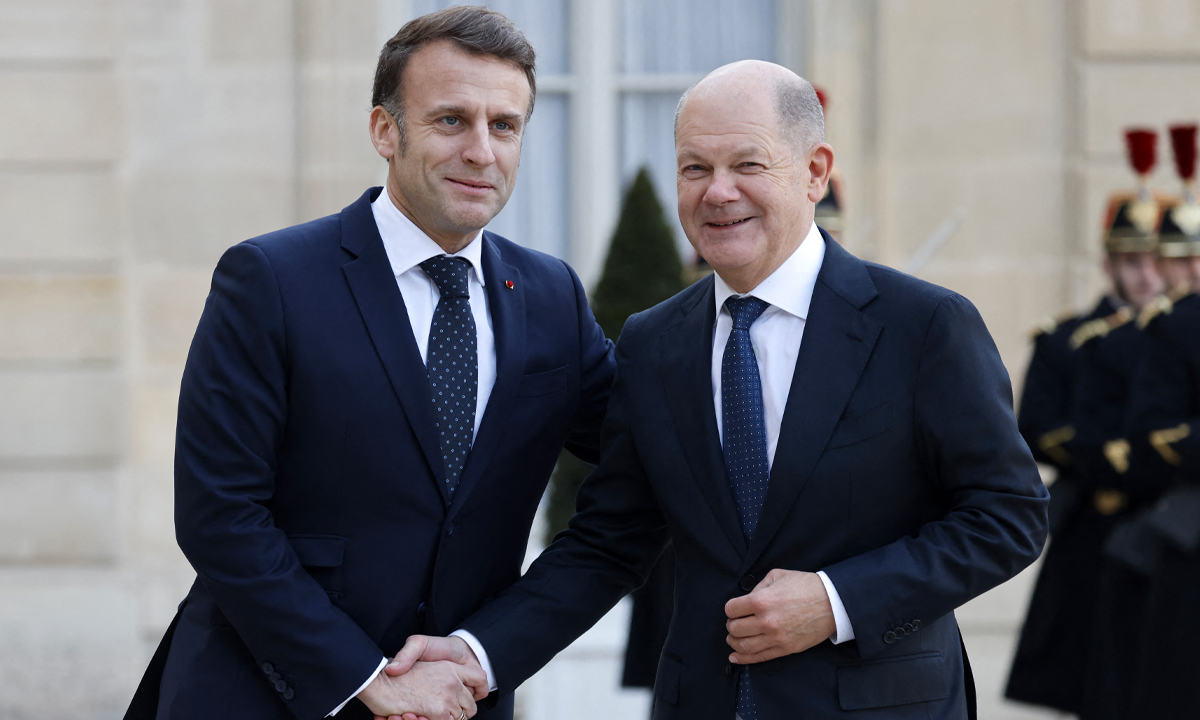
This summit occurs concurrently with preliminary U.S.-Russia talks in Riyadh, which are raising concerns about a sidelining of European involvement in resolution processes.
The U.S.-Russia discussions include a planned meeting between Russian Foreign Minister Sergei Lavrov and U.S. Secretary of State Marco Rubio, marking the first engagement at this level in over two years.
European factions express apprehension that these talks may lead to a Russian strategy for establishing Ukrainian neutrality and a potential division of influence in the region, reminiscent of Cold War-era agreements.
The Paris summit is anticipated to formulate an action plan for Europe in light of recent developments, particularly following mixed signals from the Trump administration regarding engagement with Europe and Kyiv.
Key figures attending include UK Labour leader Keir Starmer, German Chancellor Olaf Scholz, and Polish Prime Minister Donald Tusk.
The meeting aims not only to address military support for Ukraine but also to solidify Britain's role in ongoing discussions regarding European security.
Starmer's office indicated that he may play a crucial role in voicing European leaders’ concerns directly to Trump during an upcoming visit to Washington D.C. Starmer has publicly stated his willingness to consider deploying British troops to Ukraine to support peacekeeping efforts, reflecting a shift in the UK's strategic posture.
Ukrainian President Volodymyr Zelenskyy expressed skepticism regarding potential concessions from Russian President Vladimir Putin, citing fears of aggression towards NATO countries in the coming year.
Both Ukraine and its European allies are apprehensive that Putin seeks to redefine the postwar European security framework as a condition for any ceasefire.
Jean-Noël Barrot, France’s foreign minister, confirmed the Paris meeting, emphasizing a unified European stance on security issues.
The summit is expected to include representatives from Italy, Denmark, and NATO Secretary-General Mark Rutte, alongside European Commission President Ursula von der Leyen.
Key discussion points will involve what defense capabilities Europe can offer to provide robust security guarantees to Ukraine.
A proposal for automatic NATO membership in the event of a clear breach of a ceasefire agreement by Russia has been put forward by some European leaders, linked to maintaining a deterrent against further escalation.
Over the weekend, it was reported that the U.S. negotiating strategy, as communicated by Special Envoy Keith Kellogg, has been seen as unorthodox by European officials.
It's noted that neither Ukraine nor European states are currently included in the Riyadh discussions, raising concerns over the inclusivity of any future plans.
In simultaneous developments, Trump has stirred controversy by suggesting he has discussed Ukraine's future with Putin, proposing the potential shift of Ukraine towards Russian influence.
This stance is met with caution by European leaders, who remain wary of any agreements that could undermine Ukraine's sovereignty.
Discussion at the upcoming summit will also extend to European defense spending, with German Foreign Minister Annalena Baerbock announcing plans for unprecedented funding increases aimed at bolstering military capabilities across Europe.
This initiative follows similar financial packages introduced during earlier crises and is set to be launched following German elections in the coming week.
The summit reflects a broader context of increasing tensions and diverging strategies between European powers and the incoming U.S. administration, with leaders unsure of how to navigate the evolving geopolitical landscape surrounding the war in Ukraine.