

Loft conversion ideas – how to create extra rooms in your attic space
Most lofts don’t get a lot of love. Often stuffed with just-in-case junk and things that haven’t seen the light of day for 20-plus years, it’s an area that’s ripe for renovation. Clear yours of clutter and you can turn
it into a multi-use, beautiful space.
A loft conversion or attic extension is a great way to add extra space, whether you crave another bedroom, bathroom, office of playroom. But you need to be sure it’ll be worth the investment – not to mention the disruption.
Is my loft suitable for conversion?
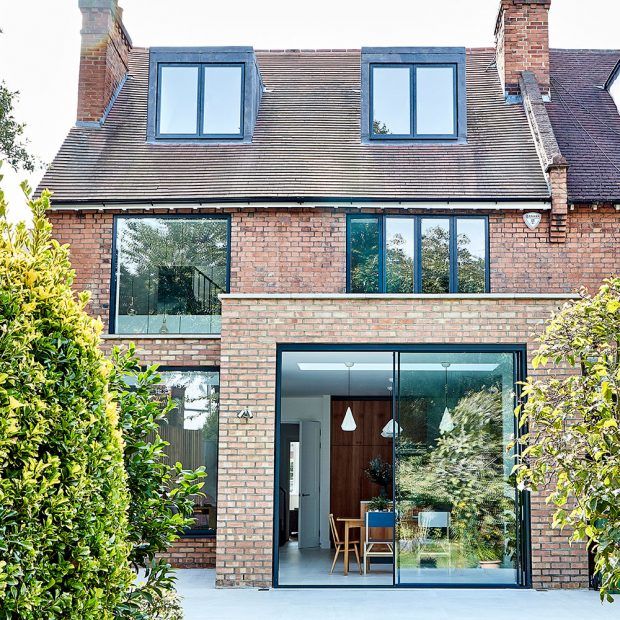
Ideally your loft should be 2.2m or higher at the mid-point. If yours
is lower, you might want to reassess. There’s no minimum room height dictated by building regulations, but there is for staircases and access. A workaround is lowering the ceiling in the room below – you’ll have to fit a new floor in the loft as part of the conversion, so this isn’t as drastic
a project as it sounds.
Next, look at any obstacles – is there a water tank or a chimney stack that might need to be moved? Finally, check your
roof – does it have a steep pitch
that limits height around the room and may require a dormer or roof redesign? The roof should also
be weatherproof and insulated. Scroll down for more practical advice and loft conversion ideas for inspiration.
Loft conversion ideas
1. Escape to a peaceful living room
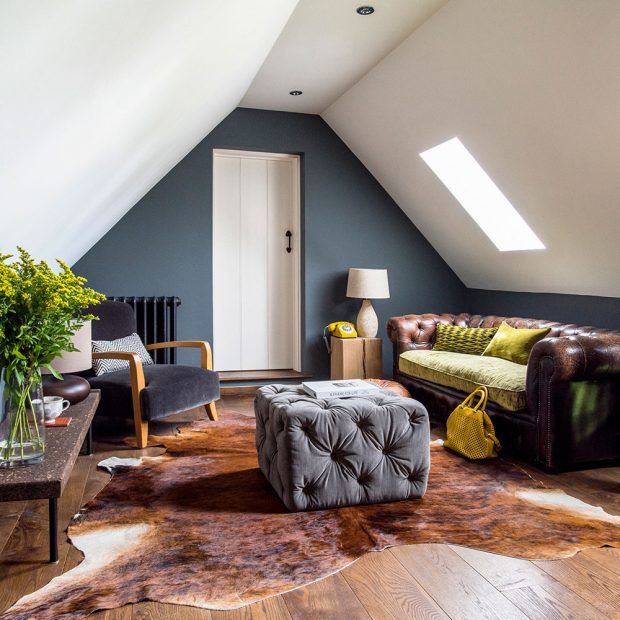
Create the perfect retreat in your home with some extra living space in the loft. While we all like to spend time socialising with family members or friends, time to recharge on our own is so valuable. Keep things casual with a classic sofa and mismatched armchair in neutral colours and go for a couple of super-cool accessories, such as the pouffe and rug here, to make it your own.
2. Add a tranquil guest room
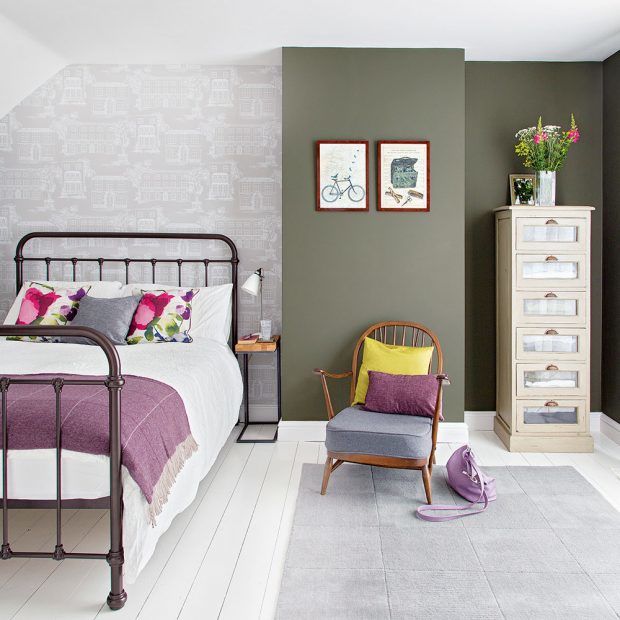
It may not always be practical to put a master bedroom in your attic, particularly if you have very young children. So instead, why not turn it into a fancy guest space that you can reclaim when the kids are older. Granny and Grandad or friends can then be kept away from your little early risers and enjoy a peaceful night’s sleep – even if you don’t!
This owner’s tall attic allowed them to create a spacious guest room and still leave a little space in the roof for storage.
3. Elevate the kitchen
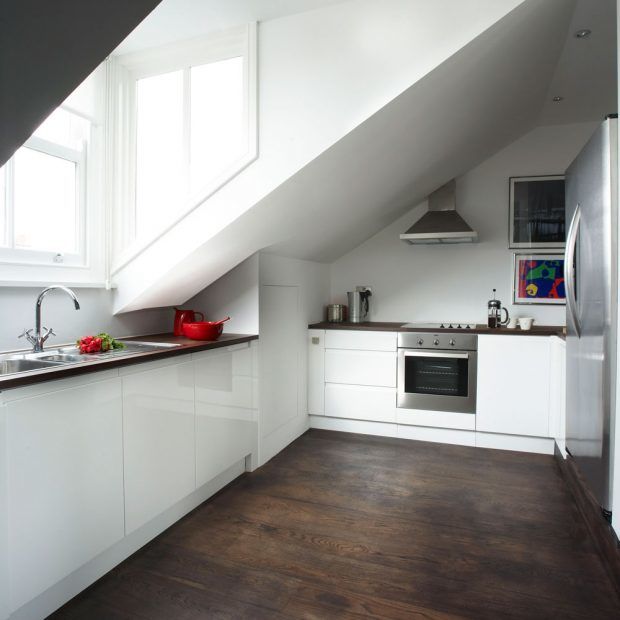
A loft conversion opens up the possibility to completely reconfigure the layout of a home. Create a self-contained flat within the rooms of your existing home, a great idea for teenage children or for making frequent guests feel at home. A kitchen in the loft could also be ideal for those creating an authentic home office, complete with all the amenities.
4. Open out to a balcony
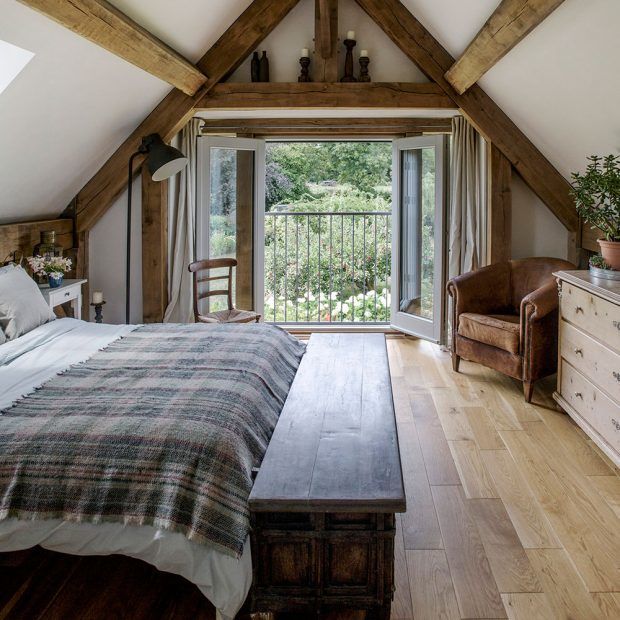
This barn conversion’s master bedroom feels all the more opulent for its Juliet balcony with double doors, carefully designed around the building’s timber structure. This is especially effective in a a roof space where it might be tricky to fit Velux windows or a dormer in the slope of the roof.
5. Let the structure shine
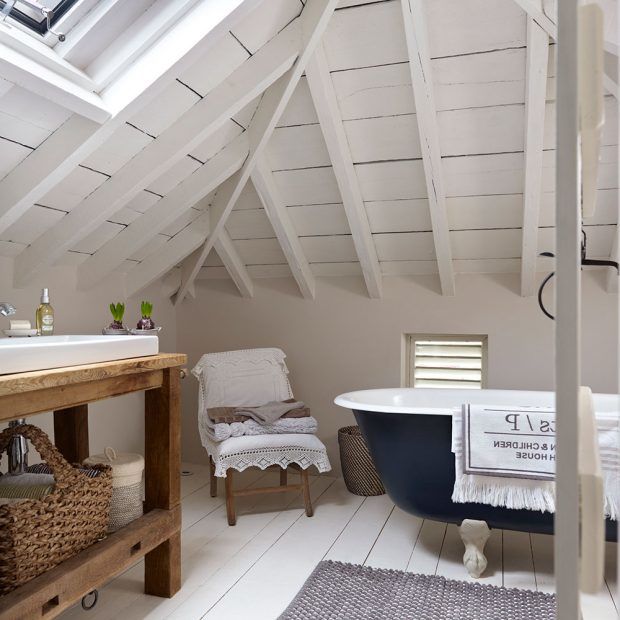
The owners of this converted coach house managed to squeeze this bathroom into the eaves. They wanted the bathroom’s style to reflect the building’s heritage, so they kept the original timbers exposed, and painted them white for a light, airy feel.
6. Zone the open-plan space
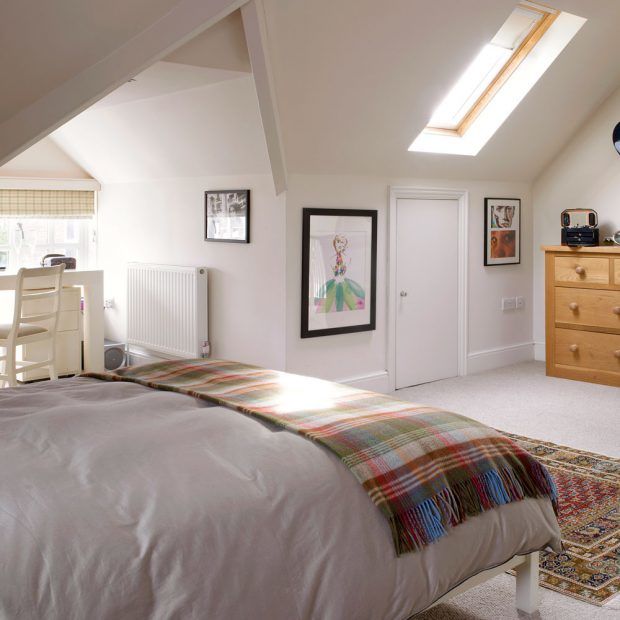
The beauty of extending into the loft is the footprint of space to create generous sized rooms. Because of the sloped roofs it’s often beneficial to kee the layout open-plan but with clever zoning you can create multifunctional purposes within the space. Allow the architecture to determine different zones for bedroom, home office, play room and more.
7. Indulge boutique hotel vibes
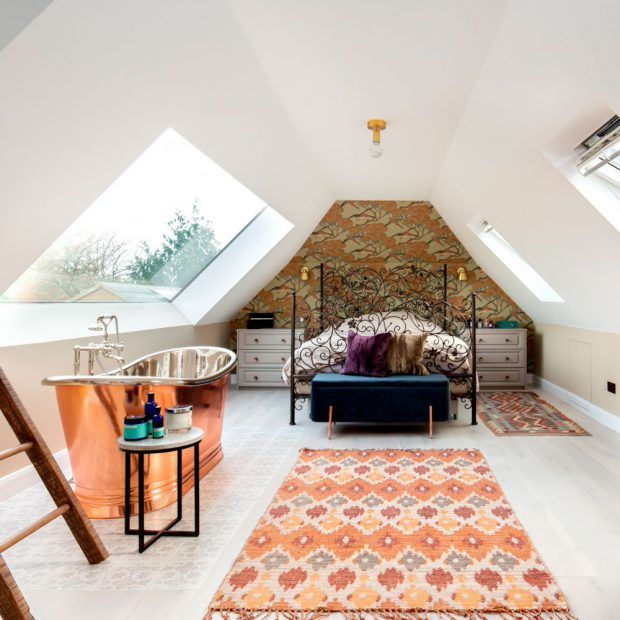
When going to all the effort of creating a dream space, why hold back on the indulgent features. This loft bedroom feels worthy of a boutique-style hotel thanks to the placement of a stunning freestanding bath within the bedroom space. Don’t overlook the attention to detail that can elevate your attic bedroom from average to awesome.
8. Be mindful of bespoke solutions
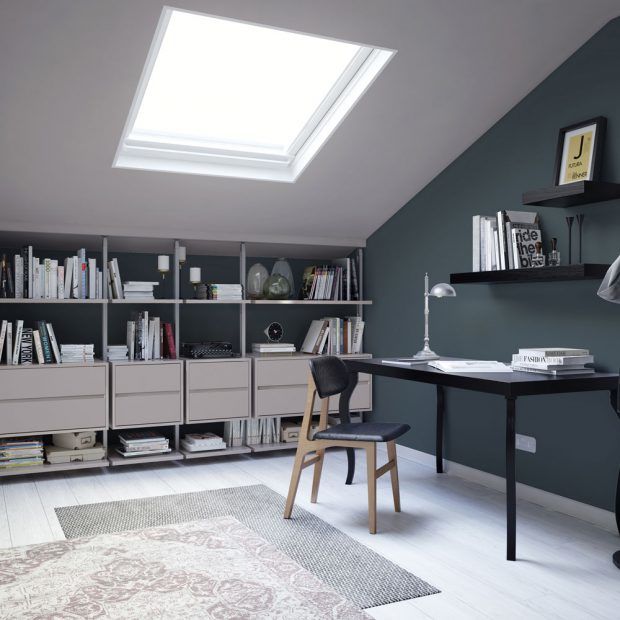
‘Make the most of unused loft space with attic wardrobes’ advises Andy Briggs, resident interior designer for Spaceslide. ‘You may think that the areas under the sloping eaves are awkward and a waste of space, but with careful planning and some ingenuity, the space can open up a realm of possibilities. The key here is to go bespoke. Your loft is a unique space, so ordinary furniture won’t do the trick. Loft wardrobes should be designed to seamlessly fit into the contours of the room, filling every available space.’
‘Loft wardrobes work best when they are made-to-measure and fitted with storage kits that meet your every requirement, whether that be a place to store extra clothing, or shelving to house your less frequently used items from around the home. In addition, sliding wardrobe doors can be cleverly installed to run alongside the sloped ceiling so that they utilise the floor-to-ceiling space.’
9. Convert a narrow loft into children’s bedrooms
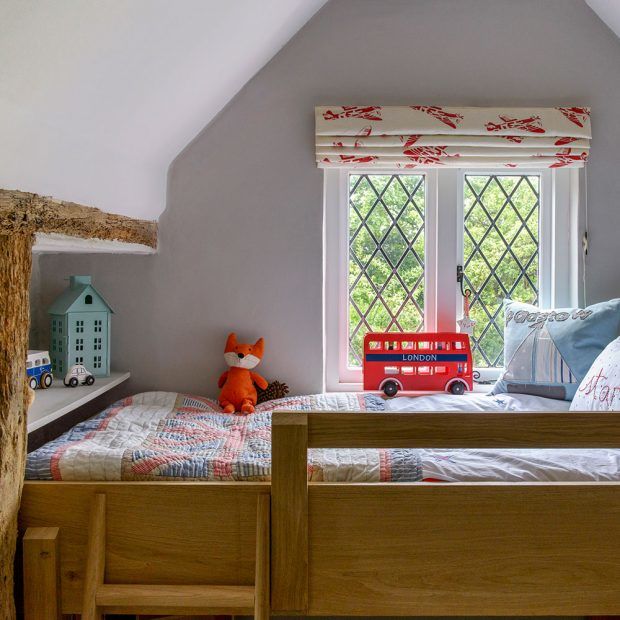
It’s common for the loft to be converted into a master en suite. But when you’re dealing with a narrow space, it may be more practical to turn your attic into one or two smaller kids’ bedrooms. You can then reconfigure downstairs to get that dream space for Mum and Dad.
This bunk is plenty wide enough for a small person to sleep comfortably, with space below for toys. Whereas it might have been a tight squeeze for grown ups.
10. Achieve your dream bathroom
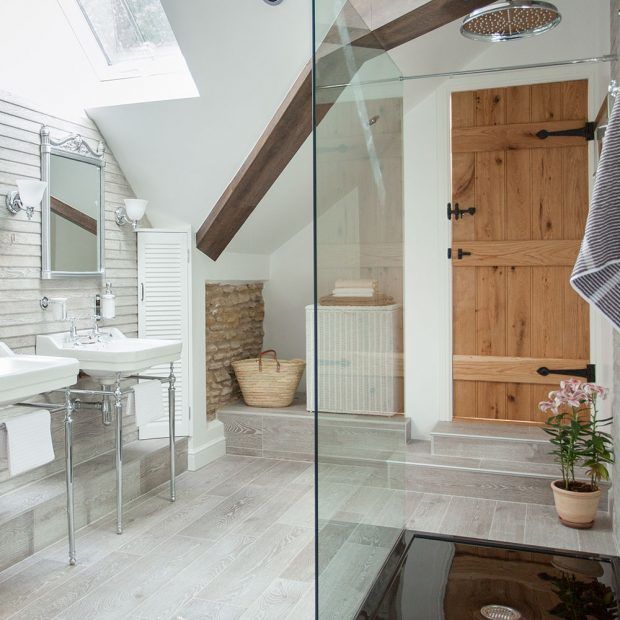
We don’t usually have the chance to dream big when it comes to our bathrooms – but maybe your loft could change that. By dedicating the whole space to a spa-like retreat, you can really indulge in features like a walk-in shower and sinks for two.
Don’t let wooden beams get in the way of creating your perfect shower enclosure in a loft space. The use of one sheet of unframed glass, held in place by two sleek stainless-steel bars, keeps this wet-room-style enclosure minimalist and unobtrusive. The floor-level drain is also a great way to ensure that you don’t lose any precious height in your shower.
11. Leave your loft open-plan
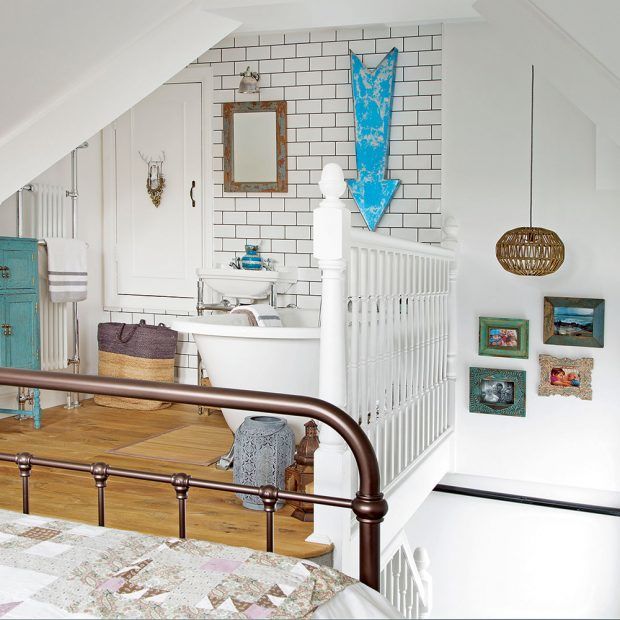
Consider the space you have carefully. Sometimes it’s best to leave an attic open plan to compensate where you can’t include big windows. It could also be that you have a double-height room that would benefit from the impressive feel of a mezzanine level in part of it. It’s a desirable look with plenty of appeal.
Here, this bedroom has a bathroom up a few steps, but you could create a sleeping area above a living area or vice versa instead.
12. Build in low-level storage
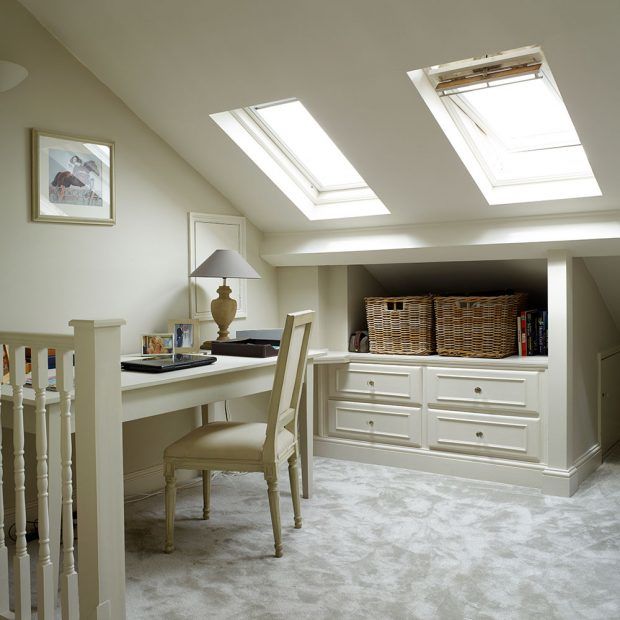
Sometimes it’s tricky to know what to do with the awkward low space between the slope of the roof and the floor. However, in this elegant home office, it’s used to perfection. A custom made solution incorporates drawers for paperwork and baskets for occasionally used items like printers.
13. Turn it into a teen’s den
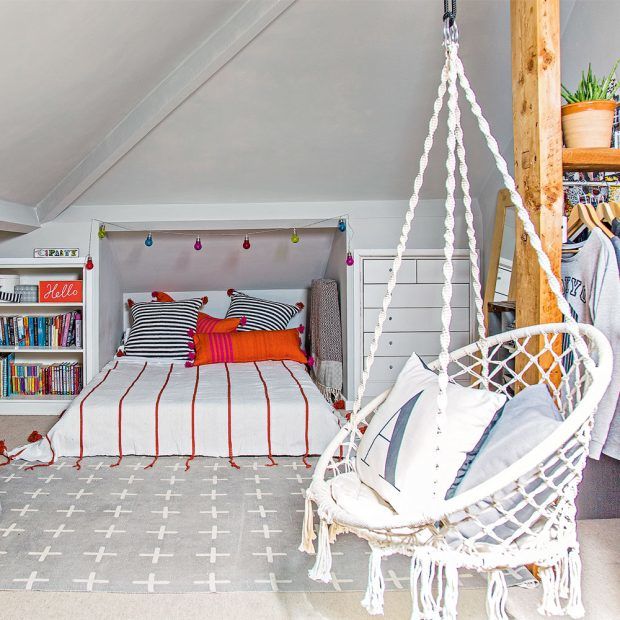
We know not every teenager is a ‘Kevin’ (from those famous Harry Enfield sketches). But even so, they do like their own space that they cane space to with friends out of earshot of parents. That’s why an attic can be the perfect teenage bedroom.
This large space accommodates a separate seating area, a ‘walk-in wardrobe’ and a cool hanging chair that makes the most of the ceiling height.
14. Make the most of any natural light
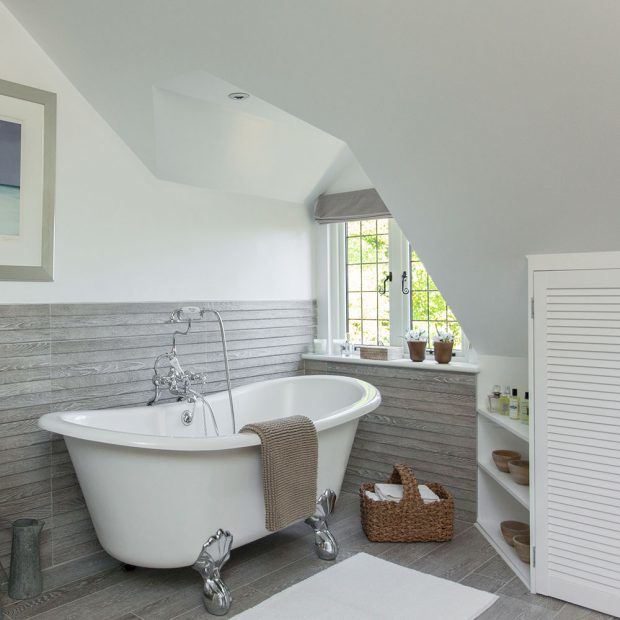
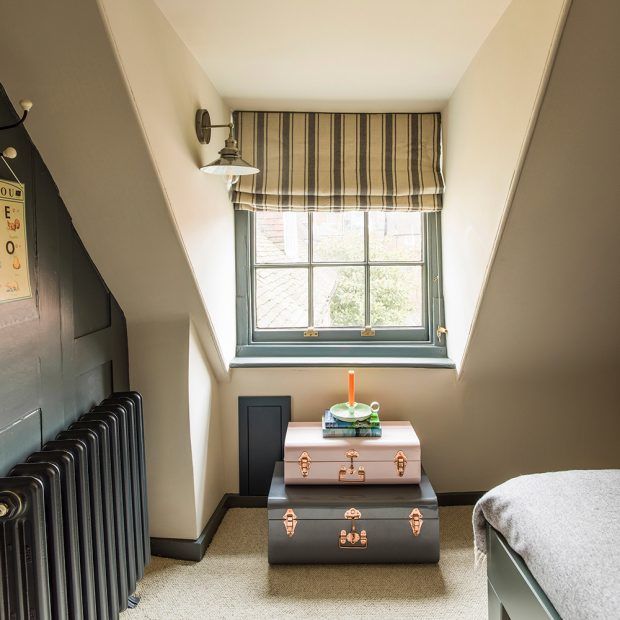
Don’t let a seemingly awkward space intimidate you. Here, the walls have been sympathetically shaped allow as much light through as possible through a dormer window. Dormer windows extend out of the roof and create extra room. There is, however, more work involved and they can be more expensive than a Velux.
You’ll need proper staircase access with a dormer design, which can require permission. But the extra expense and work may be worth it with the added value the space will bring.
It’s a nice idea to put a statement bath near a natural light source, and enjoy the view as you soak. Wood-effect tiles arranged to mimic timber cladding enhance’s this bathroom’s country feel.
15. Do without a staircase
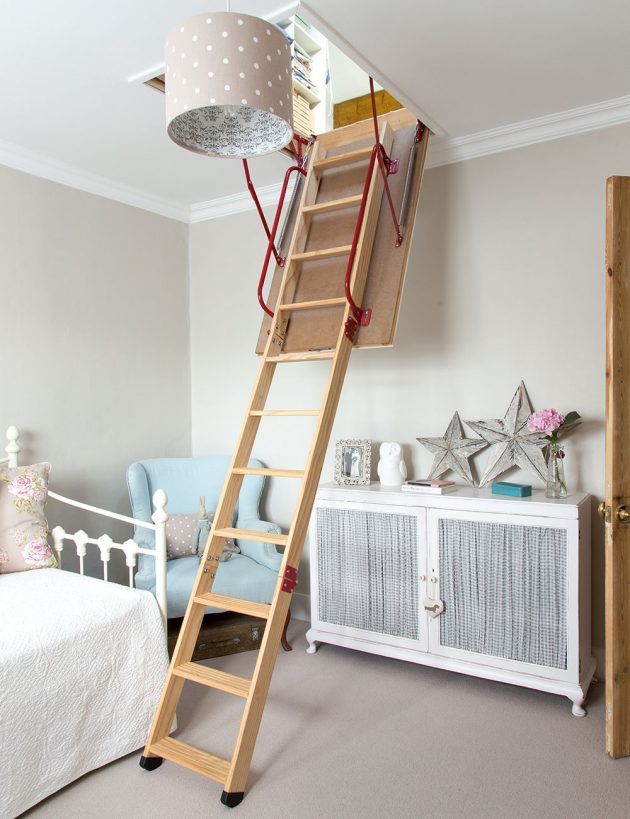
If all you’re looking for is a bit of extra storage space in a compact room, why not add a sturdy ladder for access to the loft above. It’s a great way to make the most of unused space, without having to build costly staircases. It makes an amazing feature, too – who wouldn’t enjoy having a little cubby hole to hide out in?
16. Turn an angled wall into a feature
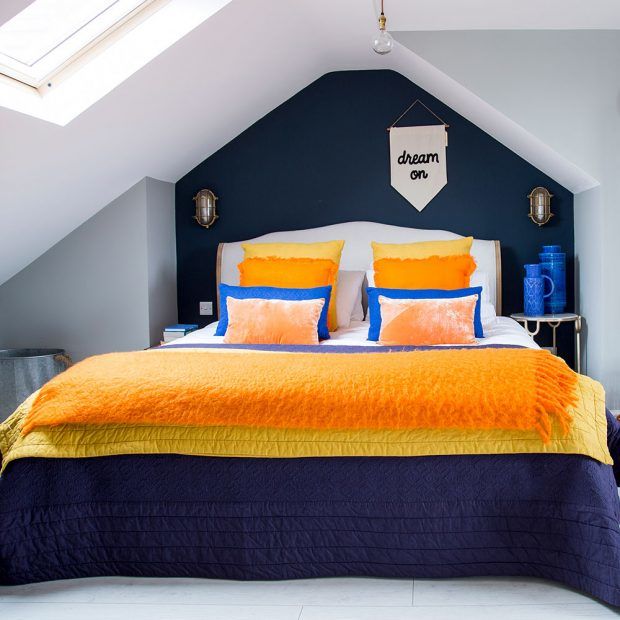
Don’t let awkwardly shaped ceilings and tiny spaces put you off. Whether you paint or paper a small panel or a full room, use colour or pattern to create a unique look. Background colour has a big impact on the overall feel of a room – choose deeper, more muted colours in the bedroom for a restful feel, or go bright and bold for the perfect space to wake up in.
17. Expose your brickwork
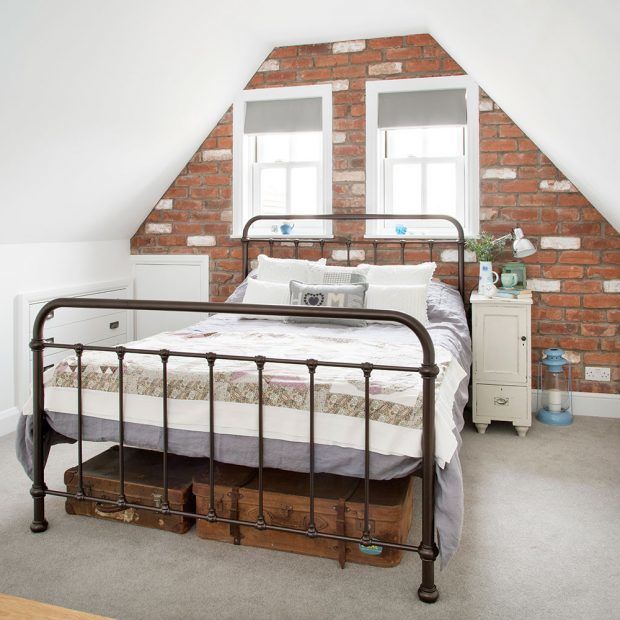
Leave one wall unpainted and expose the brickwork to make a stylish feature that looks especially cool in an attic with slanting ceilings. If your bricks aren’t in good condition, there are lots of wallpapers around that will help you create the same look, so don’t feel you have to start removing the plaster right away!
Everything you need to know about loft conversions
Where do I start with converting a loft space?
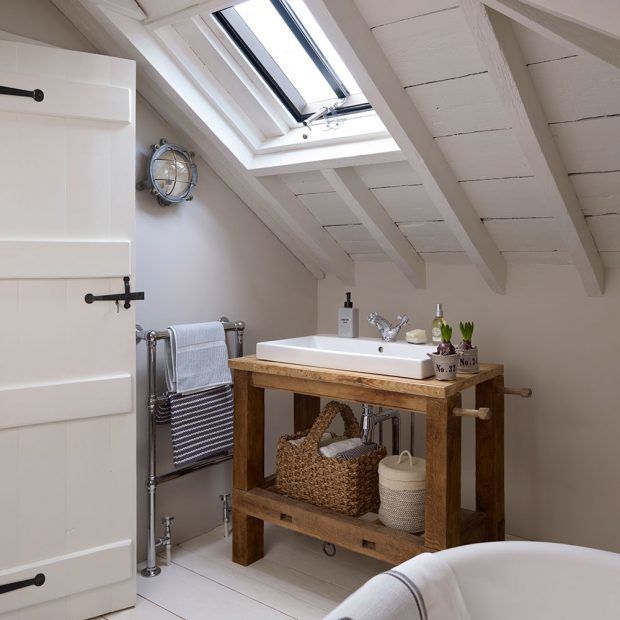
First, work out your requirements and think about how you will use the space. Do you need another bedroom, bathroom or home office? Once you know, look at the floor plan to determine how best to use the room. Also, remember that most lofts will have angled ceilings, which could restrict the type of furniture you can have.
How much does it cost to convert a loft?
‘Loft conversions can cost
as little as £12,000 for smaller projects and from £40,000 for bigger developments,’ says Jude Tugman, MD at Architect Your Home. These figures will vary depending on your location, the materials used and the size of your loft.
A simple Velux loft conversion is often the cheapest solution and, as the roof slope is not altered, will maintain a property’s appearance but may also result in limited height. Alternatively, a dormer loft conversion has vertical windows and doors, which allow full head room and greater possibilities when it comes to staircases.
Mansard loft conversions look less boxy than a dormer, due to the 70-degree slope of the rear wall and raised party wall brickwork, but require planning permission. Prefab loft replacement conversions are another option but they’re pricey, costing around £55,000 on average. However, there’s ways you can save, such as swapping a dormer for rooflights.
Incidentally, the average UK attic contains goods worth an average of £2,000, so why not have a clear-out and see if you can boost your budget? A good loft conversion can add between 10 and 20 per cent to the value of a home, with no need to sacrifice the garden space required by ground-floor extensions.
Do you need planning permission for a loft conversion?
Converting a loft rarely requires planning permission* unless you’re raising the roofline or changing its structure, but it will need building regulations approval. This ensures that the structural strength of the new floor will be sufficient, and that
the room and roof will be stable with safely designed stairs etc.
A building control surveyor will visit to make sure that the work meets regulations and issue a completion certificate.
If your house is semi-detached or terraced, you’ll also be subject to party wall requirements.
It will require planning permission
if the roof is going to be extended
or altered and it exceeds specified limits and conditions, or if you
live in a designated area (such as
a national park, the Broads, an
Area of Outstanding Natural Beauty, a conservation area or a World Heritage Site) and the work includes a roof extension. Check the limits and conditions at the government’s Planning Portal site.
Are there any other rules I should be aware of?
The rules aren’t too complicated – you will need a Lawful Development certificate from the local authority and the build will need to be passed by their Building Control Services (or an approved inspector). They will check it meets the basic standards for structure, ventilation, insulation, fire safety and so on.
They are not responsible for checking the general quality of the carpentry and finishes. When choosing a company, shop around for quotes and, better still, ask friends, family and neighbours for recommendations.
You may need a party-wall agreement for your loft conversion. The party-wall is a shared wall, usually between a terrace or semi-detached. A Party Wall Agreement is a written contract from all owners that they agree to the work. A notice will be served to all affected parties in writing.
The neighbour can ask for a party wall surveyor to be appointed to inspect the plans and to prepare a Party Wall Award (an agreed document outlining how the work should progress) or they can sign a waiver if the work is agreed upon.
What is involved?
Dormers, rooflights and windows need to be installed, the rafters need to be reinforced and the roof needs to be insulated, as well as a staircase fitted for access. Any partition walls must be built along with first fix plumbing and electrics, and extraction if the conversion includes a bathroom. Finally, radiators will need to be fitted.
What about insulation?
Good insulation reduces bills and helps the environment, and it now also falls under regulations. There are a few options available, including wool, which is a greener option. Often, the building control inspector will specify what you require, as the roof can be insulated in two ways – either filling the space between the rafters or installing insulation over them, which isn’t as practical.
Who should I hire for a loft conversion?
Complex projects may require the expertise of an architect, but
a chartered surveyor or building engineer could be a better fit. Most building engineers can produce plans for a conversion as well as structural calculations needed for the timber and steel components
of the roof space.
Ask friends for recommendations or look online
for a specialist conversion company
that can handle the whole project.