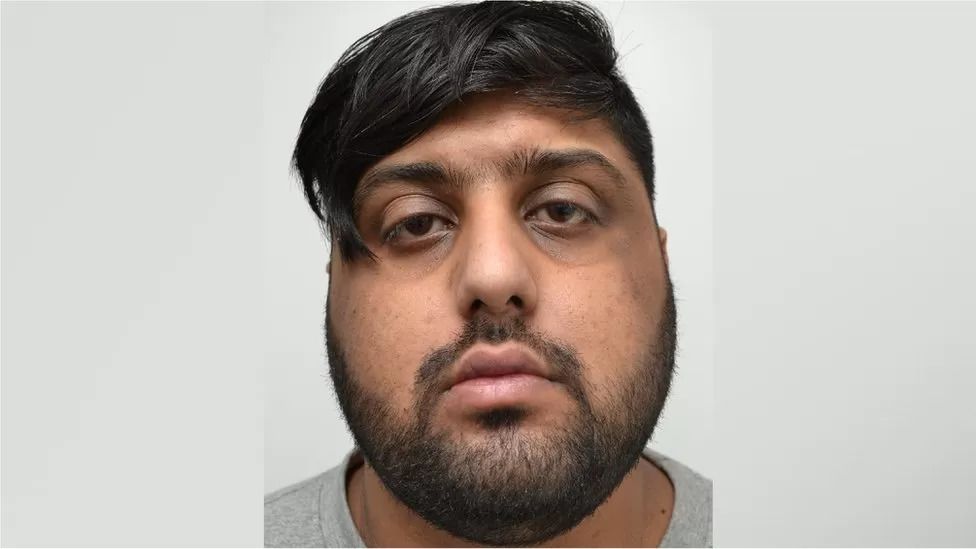
Mr. Newby noticed Farooq looking agitated and upset as he was walking back into the hospital in the early hours of 20 January. Concerned for Farooq's well-being, Mr. Newby approached him, intending to cheer him up.
According to Mr. Newby's testimony, Farooq appeared to have had bad news and was deeply upset. In an attempt to help him, Mr. Newby initiated a conversation with Farooq. During their exchange, Farooq confessed his intention to seek revenge on the hospital and revealed his plan to set off a pressure cooker bomb.
Farooq shared that he had either been a student or had worked at the hospital for two years but felt he had lost everything and wanted to exact revenge on those he held responsible. When asked about the contents of his bag, Farooq disclosed that it contained a bomb and that he intended to enter the hospital canteen with it.
In an effort to keep Farooq calm and away from the hospital entrance, Mr. Newby led him to a bench where they engaged in conversation for hours. Eventually, Farooq expressed his desire to surrender and handed Mr. Newby his phone to call emergency services. It was during the 999 call that Farooq produced a handgun, which was later revealed to be an imitation firearm.
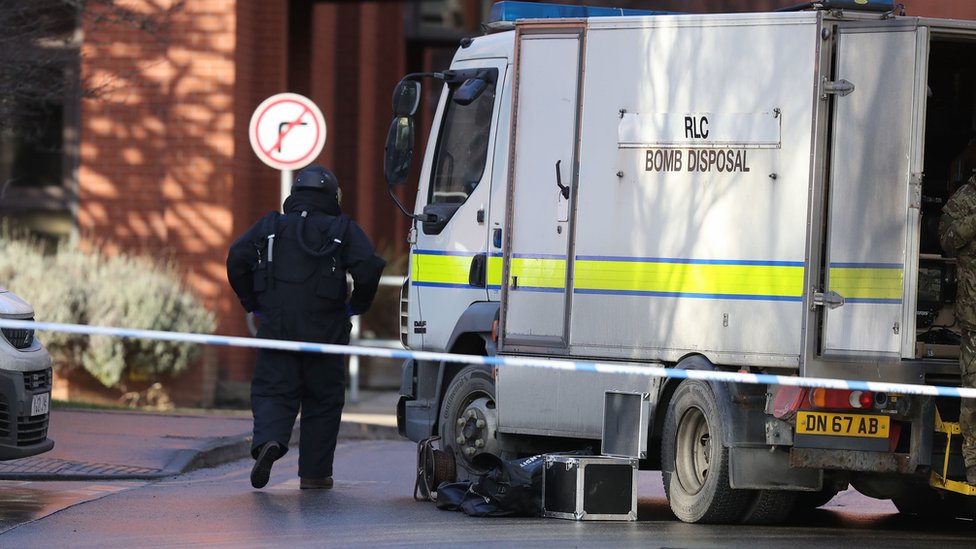
Prosecutors have asserted that the pressure cooker bomb in Farooq's possession was a viable device, resembling the one used in the 2013 Boston Marathon attacks. While Farooq denies preparing acts of terrorism, he has admitted to several other charges, including possessing a pressure cooker bomb with the intent to endanger life or cause serious property damage.
The court has been informed that Farooq held a grudge against several former colleagues at St James's Hospital and had conducted a malicious campaign against them. His defense counsel, Gul Nawaz Hussain KC, argued that Farooq's actions were motivated by anger and grievance towards his work colleagues rather than by Islamist extremism or radicalization.