LONDON DAILY ARCHIVE
Laura Kuenssberg: Tory by-election disaster shows power of ‘sofa vote’
Laura Kuenssberg highlights the significant impact of the 'sofa vote'—the phenomenon of voters opting not to go to the polls—on the Tories' recent by-election defeats.
18 February 2024 · 00:40 UTC

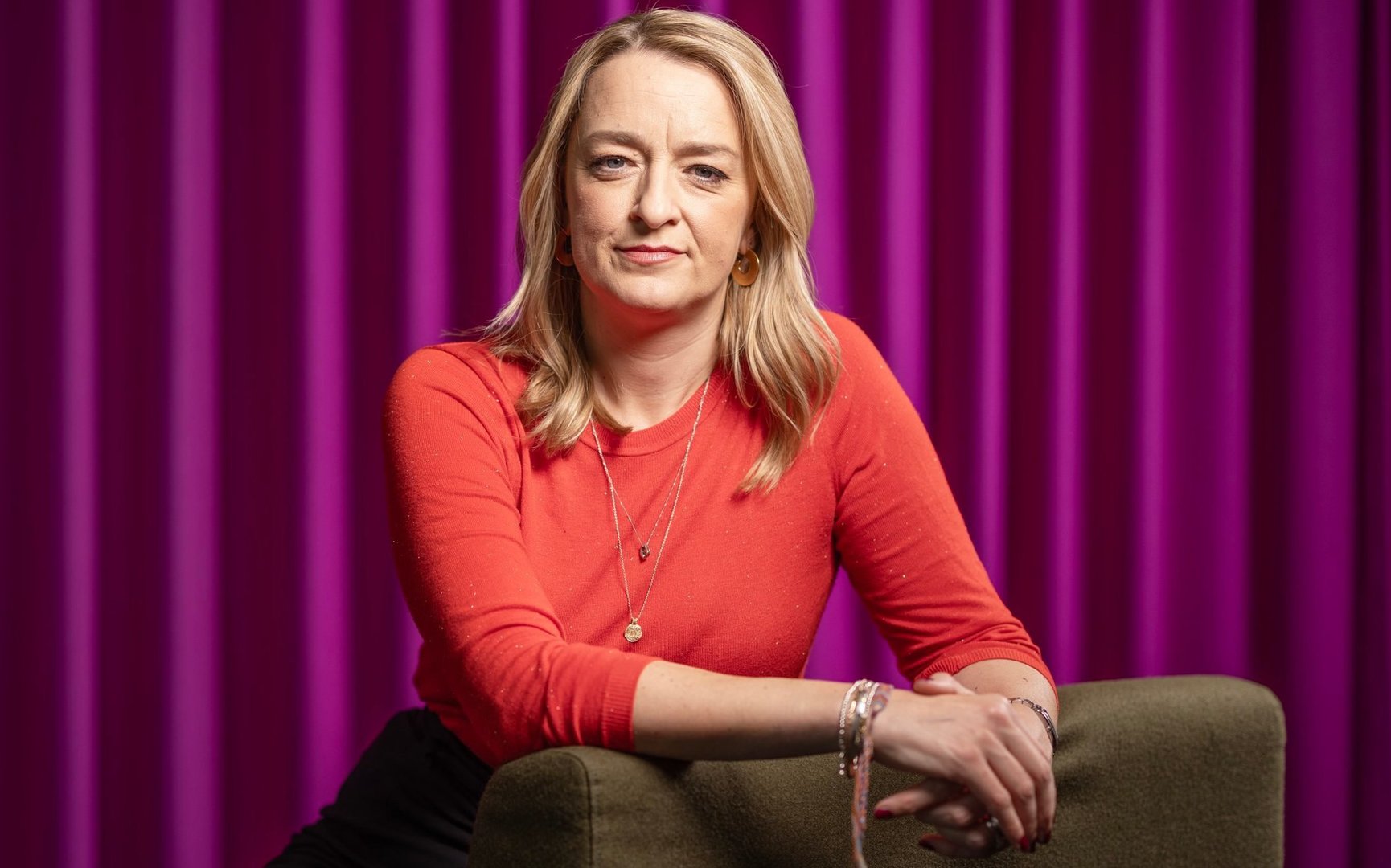


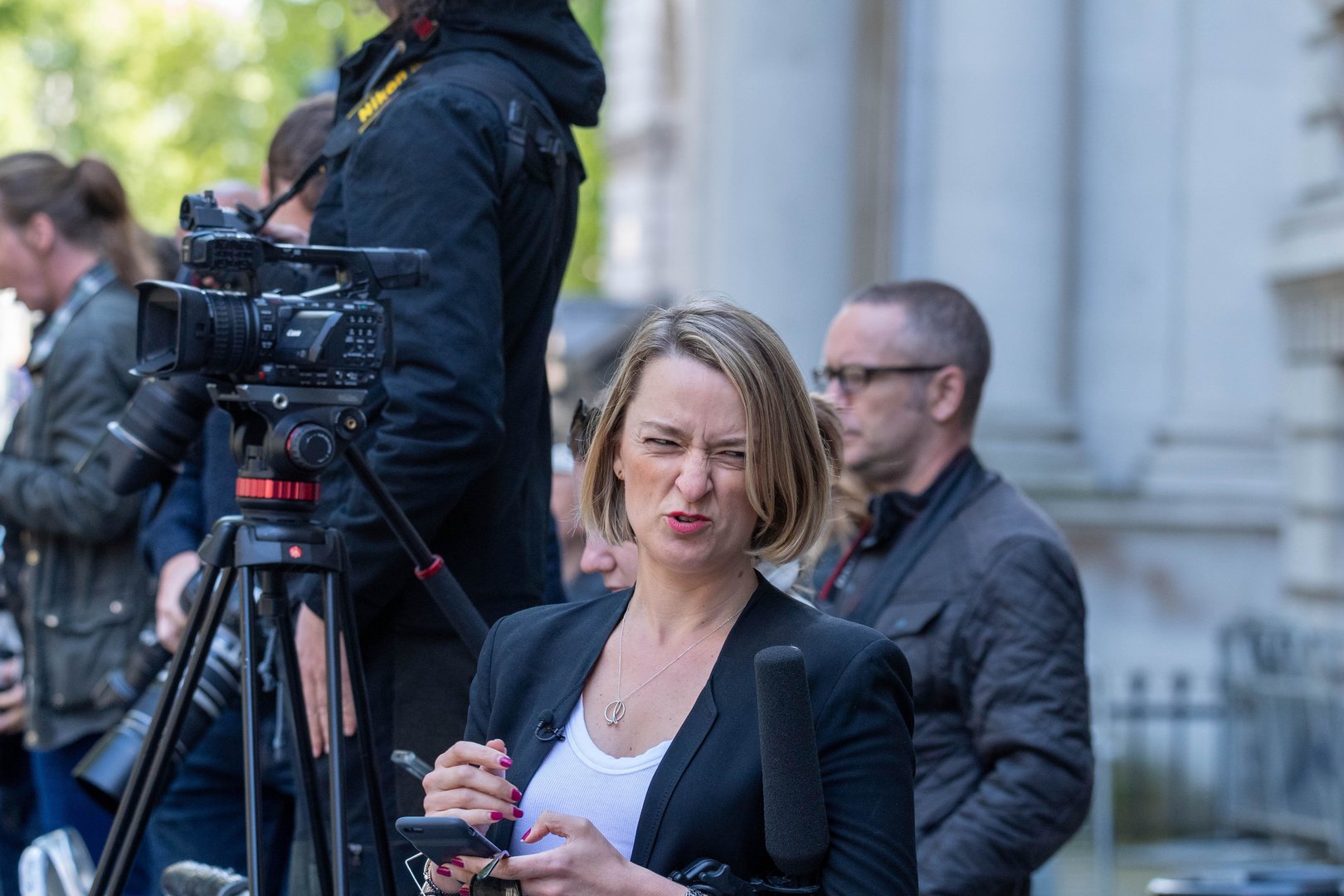
Despite suggestions of a potential appeal by Reform UK, results indicate an alarming apathy among Conservative voters ahead of a looming general election.
Former cabinet members openly acknowledge a lack of enthusiasm for shifting to Labour's Sir Keir Starmer, while voters express a profound disconnection to the point of abstention.
Ex-party leader Lord Howard confirms the trend of Tory voters skipping the polls, signaling a worrying time for Downing Street, who can't dismiss these events as mere mid-term blues.
Rishi Sunak's hopes of closing the popularity gap haven't materialized, and within the Conservative Party, there's a resignation to a possible crushing defeat, despite the competitive nature usually characterizing the group.
The 'Britain in a Room' focus groups also found no eager shift towards the Labour party among voters. However, this offers little solace to Conservatives, who note the continuing exodus of their 2019 voters, despite Sunak's attempts at political resets.
A senior Tory source has pointed out the crucial task of motivating disenchanted Conservatives to vote, acknowledging that if voters don't see a reason to participate, they will likely remain disengaged.
By-election behavior might not mirror exactly that of general elections, but it offers insights, especially when voter turnout is low compared to other recent contests. The 'sofa vote' is an often-overlooked factor in political outcomes, as evidenced by past elections where both voter turnout and loyalty shifts played vital roles.
The story of New Labour's 1997 victory, for example, is as much about Blair's success as it is about Conservative voters not showing up to support their party. Records from that period show that on average, fewer people voted in Labour constituencies, often leading to Tory voters passively letting seats go to Labour.
While many factors influence voting decisions—from economic downturns to internal party strife—the choice not to vote is significant in itself. As the Conservative Party faces a potential rise in MPs stepping down, they must grapple with the consequences of the sofa vote, which holds substantial influence over election outcomes.