LONDON DAILY ARCHIVE
Labour MPs Express Concerns Over Proposed Welfare Cuts Amidst Rising Spending
Backbench Labour MPs voice apprehension regarding government plans to reduce welfare funding, particularly affecting disability benefits.
08 March 2025 · 06:24 UTC
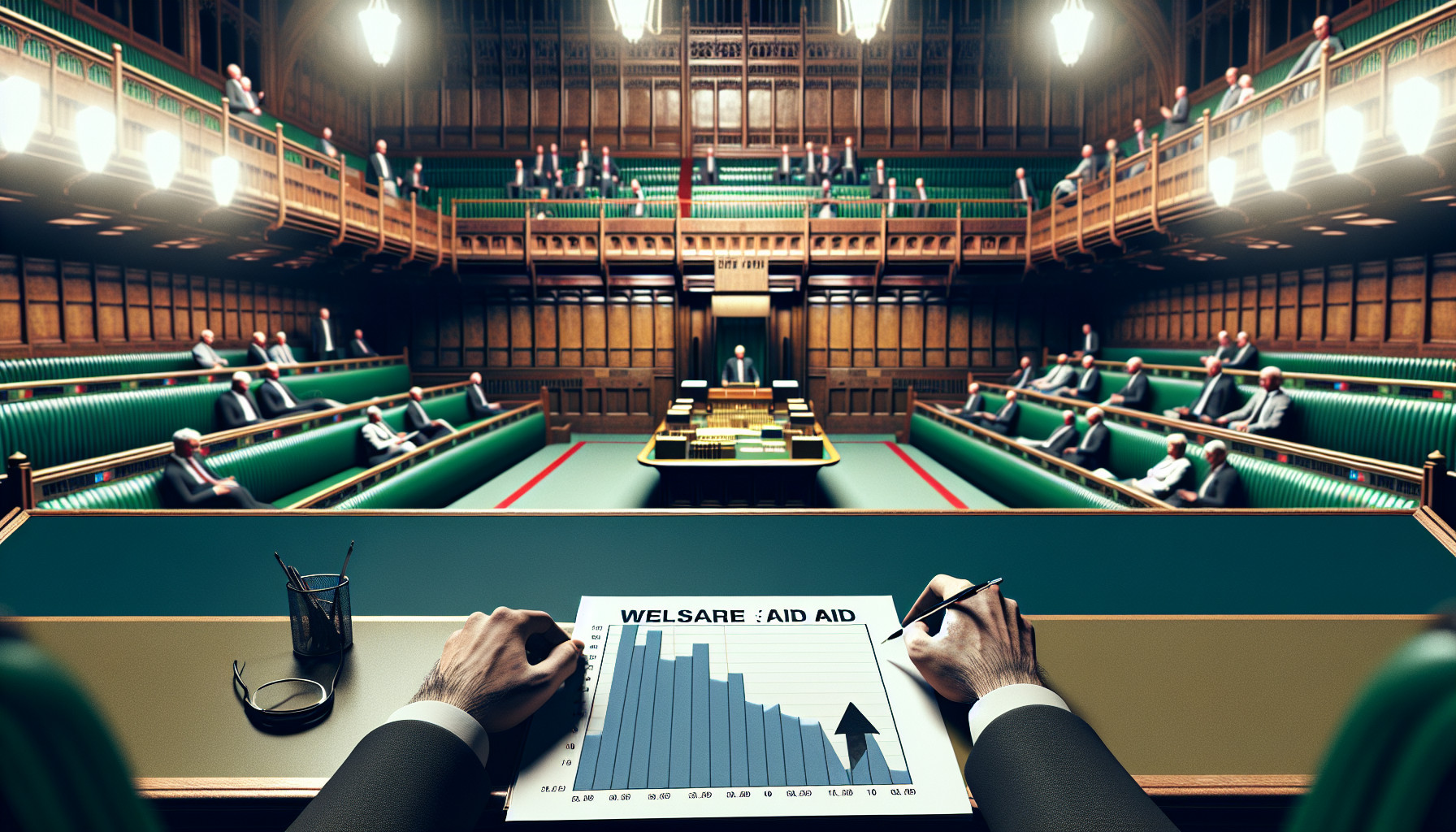
Meetings are being held by ministers to persuade these MPs that changes to disability benefits are necessary due to an unsustainable rise in welfare spending.
Concerns have been raised by Labour MPs who believe such changes could harm the poorest members of society, contradicting the party's commitments when they assumed power.
Officials from No 10 are set to advocate for these cuts ahead of the upcoming spring statement by Rachel Reeves, with Keir Starmer's spokesperson indicating that the welfare system requires reform to support economic productivity.
The spokesperson highlighted that there are three million individuals out of work due to health issues and noted that one in eight young people are currently disengaged from work, education, or training.
The spokesperson emphasized the importance of transforming the health and disability benefits system, stating that the inherited welfare structure would predominantly trap individuals in cycles of unemployment and inactivity, adversely affecting both the economy and those affected.
Prime Minister's Office support for these welfare reforms aligns with Chancellor Rachel Reeves's position that the current system fails to deliver value for taxpayers, citing its excessive cost.
Reeves has indicated the need for significant reforms without reliance on an Office for Budget Responsibility forecast.
The government is attempting to delineate the discussion surrounding welfare changes from Reeves's broader mandate to find savings and achieve fiscal balance.
Proposed adjustments to the benefits system are anticipated to be presented prior to the spring statement.
Given the government’s substantial majority, the likelihood of these proposed alterations passing is high.
However, several Labour MPs have voiced reservations about endorsing measures perceived to disadvantage the most vulnerable in society.
Discussions have taken place between Labour MPs and ministers in smaller groups, some of whom have communicated their concerns directly to the Department for Work and Pensions.
One senior Labour MP noted the lack of attention to the underlying causes of increasing disability benefit requirements, including inadequate mental health services and deteriorating health and life expectancy in numerous regions.
The MP articulated a belief that the focus should not be on the poorest populations but rather on innovative solutions that address systemic issues.
Other MPs, including former shadow cabinet minister Rachael Maskell, echoed sentiments of uncertainty and concern among colleagues, particularly about the state of mental health services and the necessity for better support for youth before any welfare system modifications.
Maskell remarked on the dependency of many on social security, robustly asserting that the Labour government should prioritize alleviating poverty rather than exacerbating it.
She suggested that approaches involving a comprehensive examination of economic theories aligned with addressing poverty, rather than broad cuts, would be more effective.
Concerns persist that the current welfare reform initiatives might reflect more of a political stance rather than a concrete and actionable plan, with previous governments having struggled with similar attempts to constrain social security expenses.
Additionally, worries have been articulated regarding potential adverse implications for those categorized within work-related activity groups who may be classified as fit for work despite their actual circumstances.
A Labour MP underscored the sentiment that it is unjust to penalize vulnerable communities for situations beyond their control, asserting that efforts should instead focus on empowering individuals with disabilities and promoting inclusivity within the workforce.