LONDON DAILY ARCHIVE
Labour MPs Criticize Government Welfare Cuts Following Impact Assessment
Chancellor's benefits cuts projected to negatively affect millions of households in the UK.
26 March 2025 · 23:00 UTC
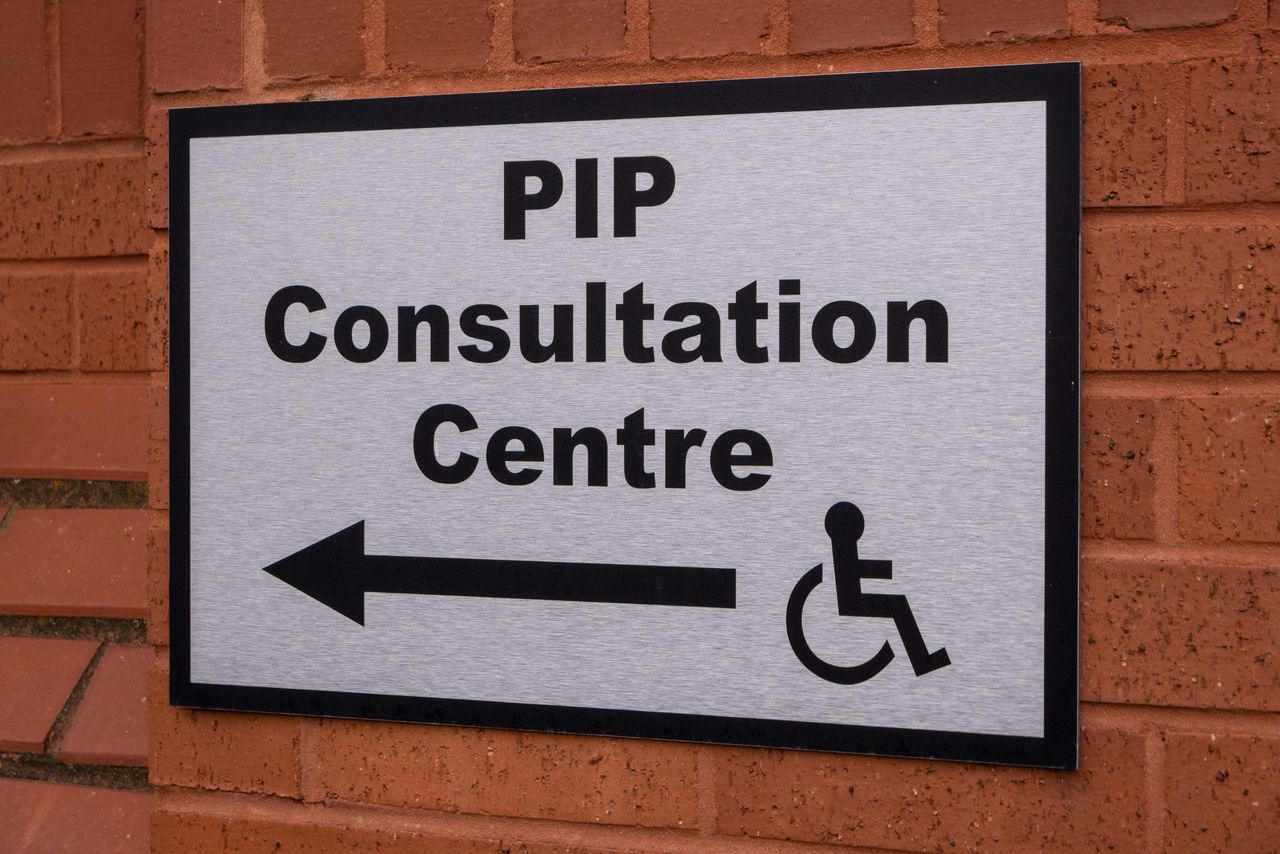
This backlash follows the publication of an impact assessment detailing the far-reaching consequences of the measures announced in Chancellor Rachel Reeves’s spring statement.
According to the analysis, over 3.2 million households across the UK are expected to see an average annual loss of £1,720 as a result of these cuts.
Individuals eligible for Personal Independence Payment (PIP) will be significantly impacted, with approximately 800,000 people losing an average of £4,500 per year.
The cuts are anticipated to exacerbate the financial strain on already vulnerable populations, pushing an estimated 250,000 individuals into poverty.
Debbie Abrahams, the Labour chair of the work and pensions select committee, criticized the government’s approach, arguing that cuts to health and disability benefits will lead to heightened poverty and deteriorating health conditions.
She questioned how reducing financial support could stimulate economic growth and job creation.
Neil Duncan-Jordan, MP for Poole, emphasized the human element of the cuts, describing the fear experienced by his constituents.
He contended that the policy would reinforce the underlying factors contributing to poverty and exacerbate demand on public services.
Duncan-Jordan warned that such cuts would not generate growth or create jobs; rather, they would deepen poverty.
In light of the proposed changes, several backbench Labour MPs are contemplating a vote against the adjustments to PIP expected in May. There are reports that discontent among frontbench MPs may lead to resignations in solidarity with the dissidents.
Rachael Maskell, MP for York Central, stated that the harmful consequences of the income reductions would predominantly fall upon disabled individuals, pledging not to support measures that risk pushing more people into poverty.
The government’s assessment indicates that over 370,000 current PIP claimants will lose access to the benefit, while an additional 430,000 individuals who would have qualified in the future will also be excluded.
Furthermore, approximately 150,000 people will lose their entitlement to Carer’s Allowance, impacting one in ten unpaid carers.
The charity Carers UK described these as the most significant cuts to Carer’s Allowance in decades, predicting considerable anxiety among families reliant on these funds.
When considering the financial implications, the combined loss from PIP and Carer’s Allowance might leave some households at least £8,740 worse off annually, with over one million unpaid carers already living in poverty.
Additionally, the decision to freeze the health element of Universal Credit will affect approximately 2.25 million claimants, each losing an average of £500 per year, and future recipients expected to lose an average of £3,000 annually.
The Office for Budget Responsibility (OBR) described the £4.8 billion cut package as the largest welfare savings initiative since the budget presented in July 2015, which included a four-year freeze on most working-age benefits along with reductions to tax credits and Universal Credit.
During a briefing for Labour MPs, Treasury chief secretary Darren Jones was met with significant criticism for his explanation of the benefit cuts' impact assessment, utilizing a personal analogy involving children's pocket money.
His remarks, perceived as dismissive, prompted calls for an apology from opposition figures, including Liberal Democrat work and pensions spokesperson Steve Darling.
Frustration amongst Labour MPs was also directed towards the OBR, as some expressed concerns that its forecasts compelled the party to enact harsher cuts than initially anticipated.