LONDON DAILY ARCHIVE
Labour Ministers Tread Carefully on Welfare Reform Amid Economic Pressures
As the government prepares to overhaul the welfare system, tensions arise within the Labour Party over the potential impact on vulnerable claimants.
03 February 2025 · 09:12 UTC
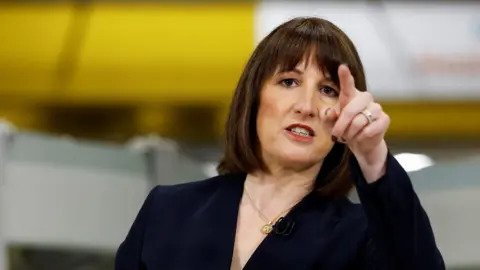

In a recent speech, Chancellor Rachel Reeves highlighted the need for ‘fundamental’ reform, focusing on issues such as the rising costs of health and disability benefits.
However, any changes to the welfare system are being approached cautiously, with both financial and political concerns at the forefront.
The Treasury is particularly concerned about the increasing number of individuals on sickness benefits, which rose by 25% during the pandemic, reaching £65 billion in 2021. This figure is projected to rise to £100 billion before the next general election.
Ministers are exploring how to encourage more people into work while also reducing the welfare budget.
One proposal being considered is to create a third pathway for individuals receiving sickness benefits, requiring them to seek work without losing their entitlement to support.
However, concerns have been raised about the potential trauma and humiliation faced by claimants undergoing frequent assessments of their health.
These reforms are intended to generate savings, which the Office for Budget Responsibility (OBR) would account for in the autumn Budget.
Yet, some insiders caution that the proposed savings may not materialize as anticipated, and they warn of the political fallout from such changes.
Within the Labour Party, there is significant unease about the direction of welfare reform.
While some ministers and officials argue that reforming the welfare system is crucial for addressing economic inactivity, other Labour MPs fear that changes may alienate the party's core supporters, who view the welfare state as a cornerstone of social policy.
Debbie Abrahams, Labour's chair of the work and pensions select committee, raised concerns during a recent Prime Minister’s Questions, stating that speculation about potential savings in the social security budget has caused anxiety among vulnerable claimants.
Senior Labour figures insist that the government's approach is aligned with public opinion, but others caution that the political fallout from welfare cuts could prove damaging.
The political risks are not lost on Labour’s leadership.
Reeves, who previously held the role of shadow work and pensions secretary, acknowledged the challenges of balancing welfare reform with public support.
The party is carefully navigating these tensions, with some ministers acknowledging the difficulty of reconciling public opinion with necessary fiscal reforms.
As Labour prepares for a green paper on welfare reform in the coming months, the debate over how to balance financial savings with social support is likely to remain a key issue.
Despite the complexities, ministers are under pressure to find solutions that both reduce costs and encourage more people to enter the workforce, while safeguarding the welfare state for those in need.