LONDON DAILY ARCHIVE
Keir Starmer Critiques Benefits System as Major Cuts Loom
The Prime Minister's remarks signal significant changes to the disability benefits framework in the UK ahead of the upcoming budget statements.
11 March 2025 · 05:46 UTC
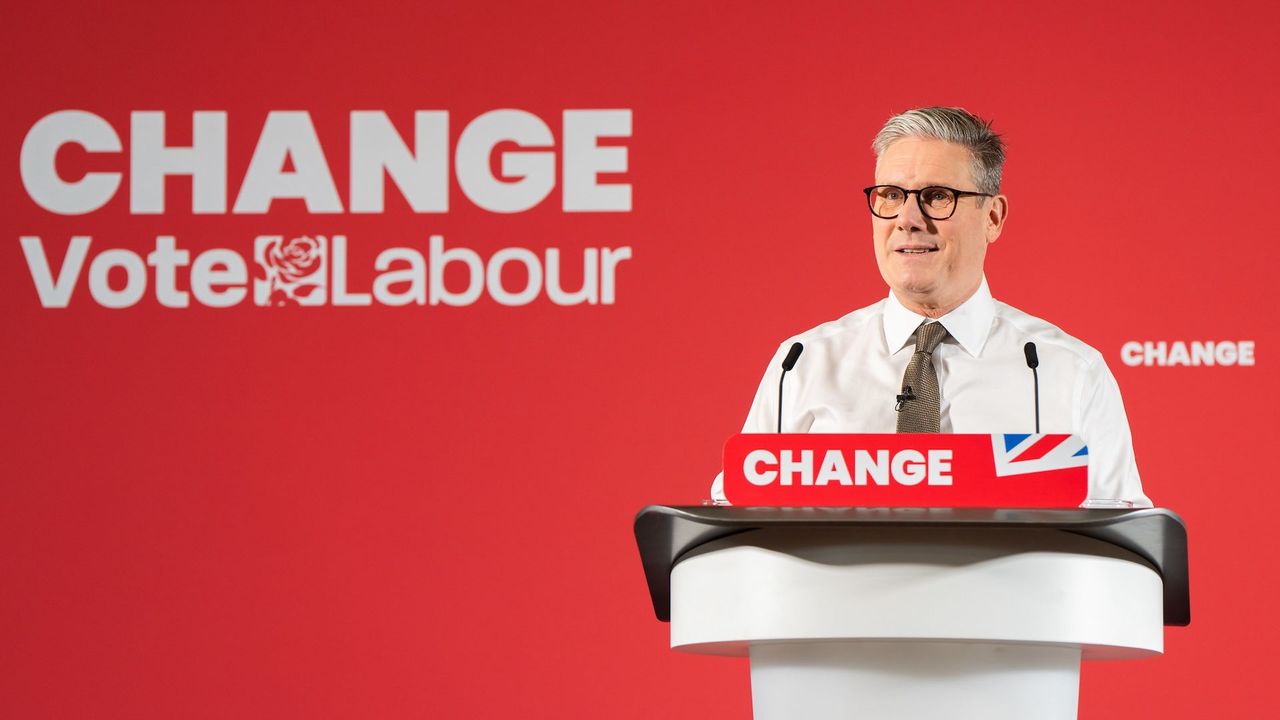
In a private session with Labour MPs, Starmer underscored the economic burden of the current system, which he claims discourages work and contributes to a troubling level of unemployment among young people.
He noted that approximately one in eight young individuals are neither engaged in education nor in employment, dubbing the situation a 'wasted generation.'
The financial implications of the benefits system are growing, with the Department for Work and Pensions (DWP) projecting that spending on working-age health and disability benefits could escalate to £70 billion by 2030. The government has pledged to reduce this expenditure by £3 billion over the next three years and is expected to propose further reductions to the Personal Independence Payment (PIP), the central disability benefit scheme in the UK. A forthcoming green paper discussing reforms to sickness and disability benefits is anticipated prior to the chancellor's spring budget address.
During the meeting, Starmer asserted his commitment to ensuring that benefits support individuals who are genuinely in need while promoting a workforce that is incentivized to seek employment.
He articulated a vision whereby those who can work should be encouraged to do so and affirmed the necessity of a safety net for those unable to enter the job market.
Despite this stark focus on reform, the conversation surrounding the changes has prompted anxiety within the Labour party regarding the potential repercussions for vulnerable populations.
Following Starmer's comments, one MP expressed concern over the impact of proposed cuts on families affected by disability, citing personal experiences to underline the human consequences of such decisions.
In response to these growing tensions, a coalition of prominent disability and poverty advocacy organizations issued a letter to Labour’s shadow secretary for work and pensions, Rachel Reeves.
They highlighted the adverse effects of benefit cuts, arguing that reductions could push an additional 700,000 disabled households into poverty.
Their analysis indicates that the costs of living are disproportionately higher for disabled individuals, suggesting that existing financial aid is crucial for their survival.
The benefits in question include incapacity payments related to Universal Credit, designed for individuals assessed with limited capability for work-related activities.
These payments provide approximately £5,000 annually on top of standard Universal Credit rates and exempt recipients from job-seeking obligations.
Conversely, PIP is unconnected to employment status and intended to assist with the extra costs incurred by disability, with annual awards ranging from £1,500 to £9,600 depending on the level of disability.
The government contends that reform is essential, owing to a substantial increase in the expenditure on these benefits, which surged by nearly £13 billion between the 2019-20 and 2023-24 financial years.
There is ongoing debate among political factions, with some arguing that the system is maximized for young individuals with less severe mental health issues, a claim contested by critics who assert that spending on supporting the working-age population through disability benefits has not disproportionately risen compared to historical data.
Starmer also discussed the necessity to enhance defense spending amidst international tensions, emphasizing the need for Britain to adopt a proactive stance in response to global challenges.
This includes preparing for strategic conversations with leaders globally, such as recent dialogues with the U.S. president regarding international conflict resolutions.
He articulated that boosting defense spending would contribute to industrial rebuilding and job generation, thereby benefitting the broader British populace.