LONDON DAILY ARCHIVE
Keir Starmer and Emmanuel Macron Seek to Reinforce Transatlantic Ties Amidst U.S. Political Uncertainty
European leaders approach a pivotal U.S. visit as concerns grow over Donald Trump’s potential impact on Western alliances and support for Ukraine.
22 February 2025 · 11:30 UTC
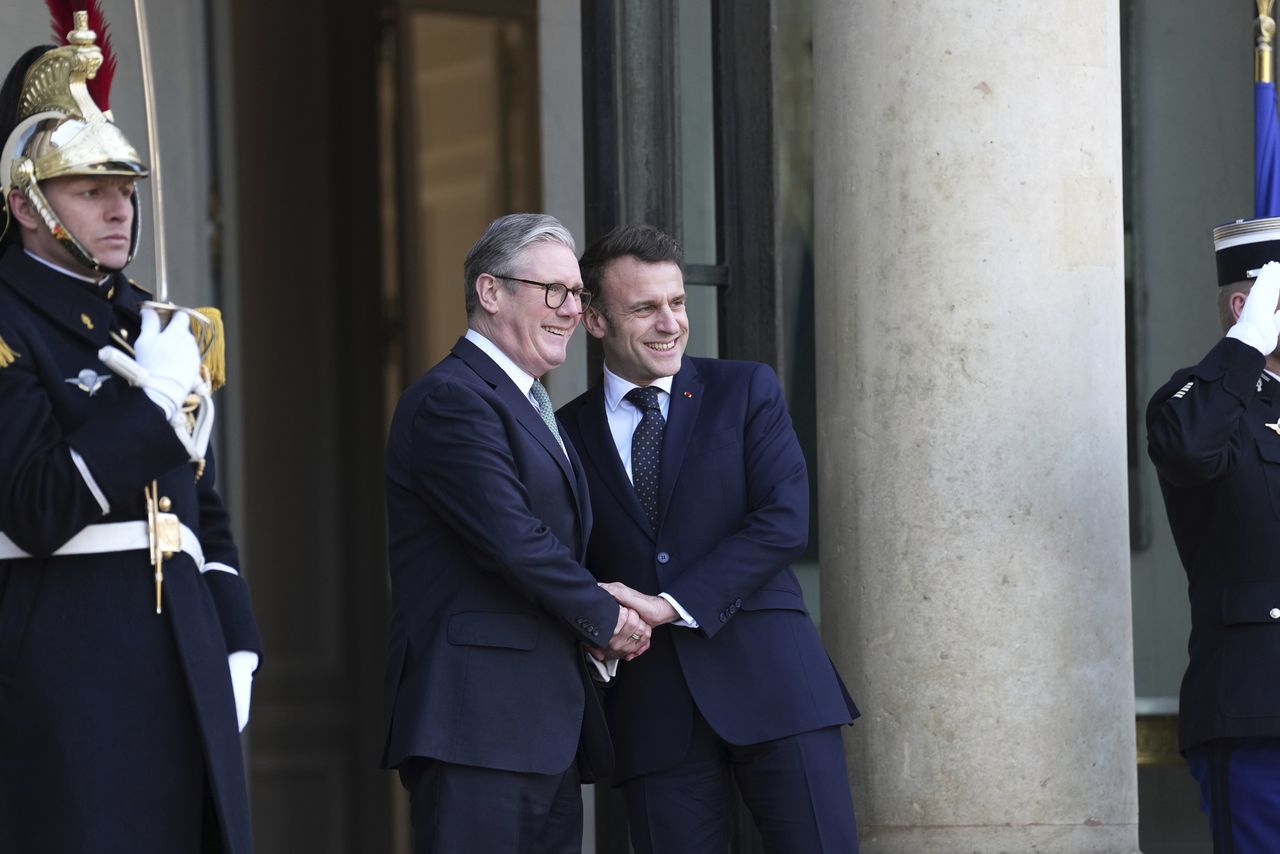
Starmer, the leader of the UK’s Labour Party, and Macron, the President of France, aim to bolster transatlantic alliances while expressing grave concerns over the implications of Trump's foreign policy decisions.
Historical parallels arise from the 1940 correspondence between Winston Churchill and Franklin Roosevelt, where Churchill expressed a steadfast belief in U.S. leadership amid global strife.
However, today’s landscape presents a stark contrast as Europe grapples with the potential fallout from a Trump-led foreign policy that has so far favored a shift away from traditional alliances and diplomatic norms.
The meeting occurs against a backdrop of pressing security concerns, particularly in Ukraine, where Moscow’s continued aggression has heightened fears across the continent.
Starmer has emphasized the necessity of a robust U.S. commitment to deter further Russian advances and has framed the situation as a critical juncture for Europe’s security architecture.
Recent developments have raised alarms, with Trump’s remarks suggesting a willingness to reduce military support for Ukraine, undermining years of U.S. policy aimed at countering Russian expansionism.
Trump's characterization of Ukrainian President Volodymyr Zelenskyy as a 'minor comic' and his alignment with narratives emerging from the Kremlin have intensified worries among European leaders about a potential pivot in U.S. foreign policy.
The disintegration of the post-World War II order, which has historically positioned the U.S. as a leader in global democracy, is increasingly perceived as a threat to both U.S. and European interests.
European leaders, including Germany’s Chancellor Olaf Scholz, have responded by repudiating Trump's framing of the conflict, labelling it a dangerous distortion of reality.
In anticipation of the U.S. visit, Macron has convened discussions among major European leaders, framing them as an attempt to establish a united front and underscore Europe's role in ensuring regional stability.
The aim is to articulate collective European expectations of U.S. support, particularly regarding a security framework for Ukraine amid expectations of U.S.-Russia negotiations.
While Starmer has tentatively proposed the potential deployment of UK troops contingent upon U.S. backing—a significant stance for the typically cautious leader—European discussions have faced challenges, particularly as nations navigate their own political landscapes.
Scholz’s insistence on requisite U.S. support prior to any military engagement underscores the complexities involved in European defense strategies post-Trump.
As the geopolitical climate evolves, the ramifications of Trump's approach blur the lines of long-established alliances.
Calls for a reassessment of NATO’s role and the future of American engagement in European security resonate throughout the continent, as leaders seek to ascertain how best to navigate an administration that appears at odds with traditional foreign policy principles.
In this context, Starmer and Macron’s visit represents a crucial step toward reaffirming collective European security measures while seeking to engage a U.S. leadership that increasingly prioritizes domestic considerations.
The outcome remains uncertain, yet the stakes for both Europe and the global order are undeniably high.