LONDON DAILY ARCHIVE
Israel Accepts Proposal for Temporary Ceasefire in Gaza During Ramadan and Passover Amid Protests
US-brokered plan aims to extend current ceasefire as demonstrations erupt in Israel over hostage situation.
02 March 2025 · 00:42 UTC
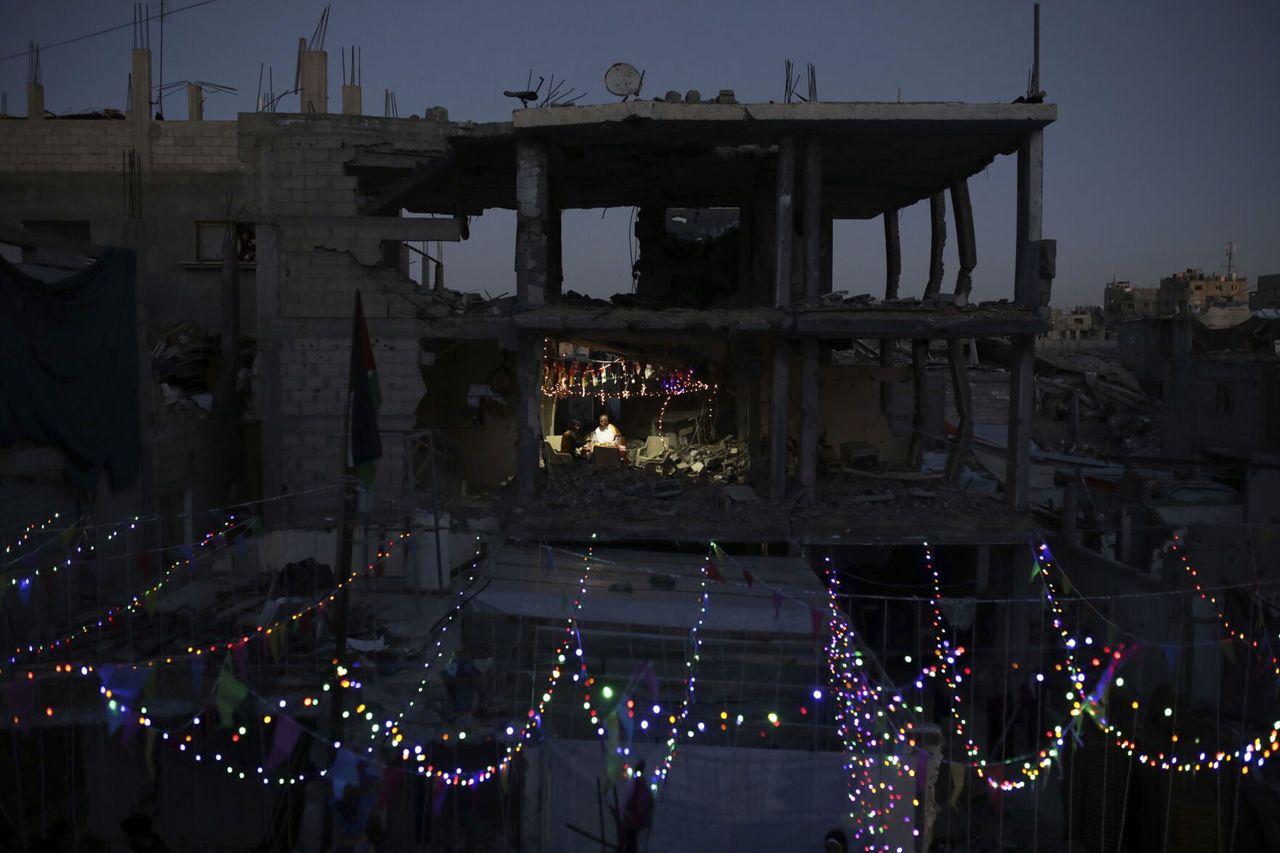
The plan, introduced by U.S. envoy Steve Witkoff, aims to create a temporary cessation of hostilities, which comes as the first phase of the existing ceasefire is set to expire on Saturday.
In exchange for the temporary ceasefire, Israeli Prime Minister Benjamin Netanyahu’s office stated that Israel is demanding Hamas release 'half of the living and deceased hostages.' The Israeli government has specified that the release of the remaining hostages would occur only if an agreement for a permanent ceasefire is reached.
The specifics regarding the potential release of Palestinian prisoners in exchange for the hostages remain unclear and have been a focal point in the ongoing conflict.
The ceasefire extension proposal was deemed necessary by both parties as they continue to negotiate the second phase of the ceasefire agreement.
Reports indicate that both Hamas and Israel have accused each other of breaching the terms of the current ceasefire.
According to the Israeli statement, if negotiations are deemed ineffective, Israel reserves the right to resume military actions after a 42-day period.
Despite Israel's agreement to the proposal, Hamas has reportedly not yet responded positively.
On Saturday, significant protests took place in Israel, where thousands demanded action on the hostage situation.
Simultaneously, hundreds of Palestinians gathered at the Al-Aqsa Mosque to pray, marking the first day of Ramadan, the Islamic holy month.
Protesters in Israel held placards with messages such as 'war has no winners' and 'bring the hostages back, not the war,' alongside calls to hold Netanyahu accountable for the ongoing crisis.
The current ceasefire agreement had facilitated a previous hostage exchange, which took place last Wednesday, fulfilling the conditions for both parties under the pact.
This agreement and its implications have drawn international attention, as Israeli President Trump has been credited with brokering it, following Netanyahu's recent visit to Washington.
During this visit, contentious proposals were discussed, including Trump's suggestion of the U.S. government potentially 'buying' Gaza—a notion that faced substantial backlash from Palestinian leaders and international figures.