LONDON DAILY ARCHIVE
Irish voters reject constitutional changes regarding family and care roles
In recent referendums, Ireland's electorate decisively voted not to amend their constitution on matters related to family and the recognition of care roles.
10 March 2024 · 00:19 UTC
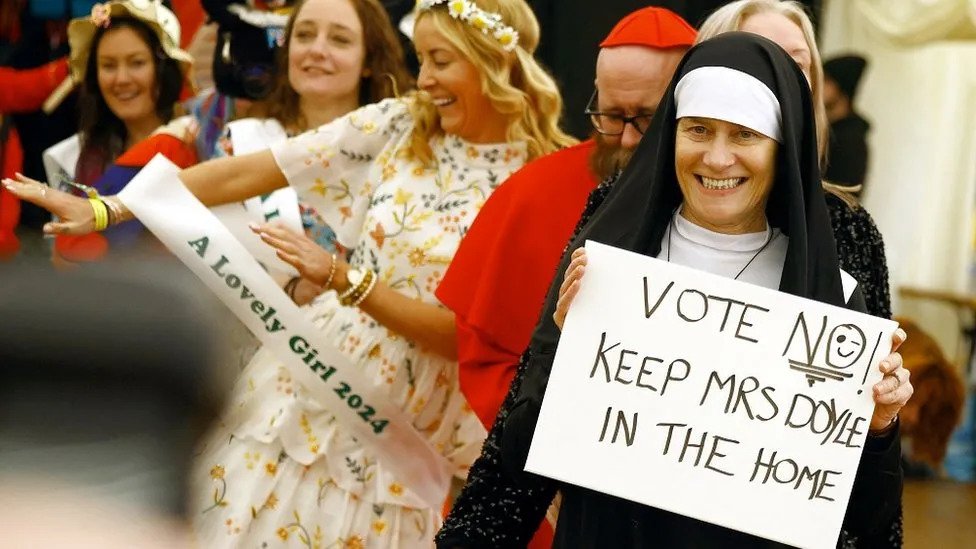
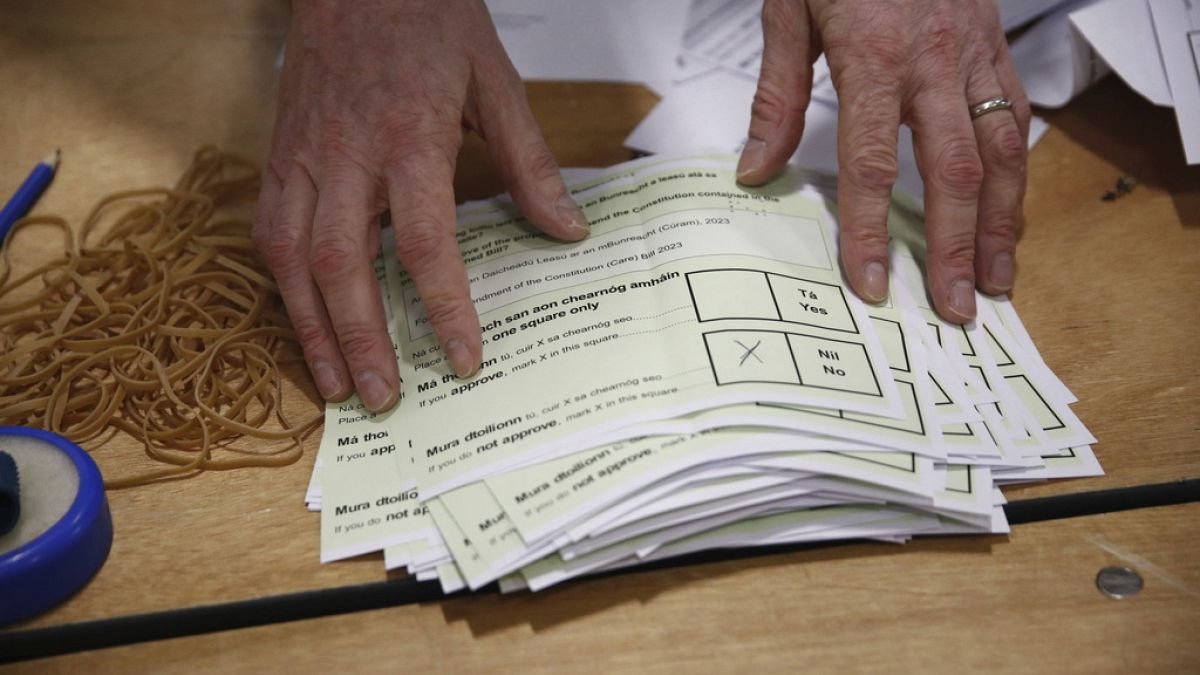
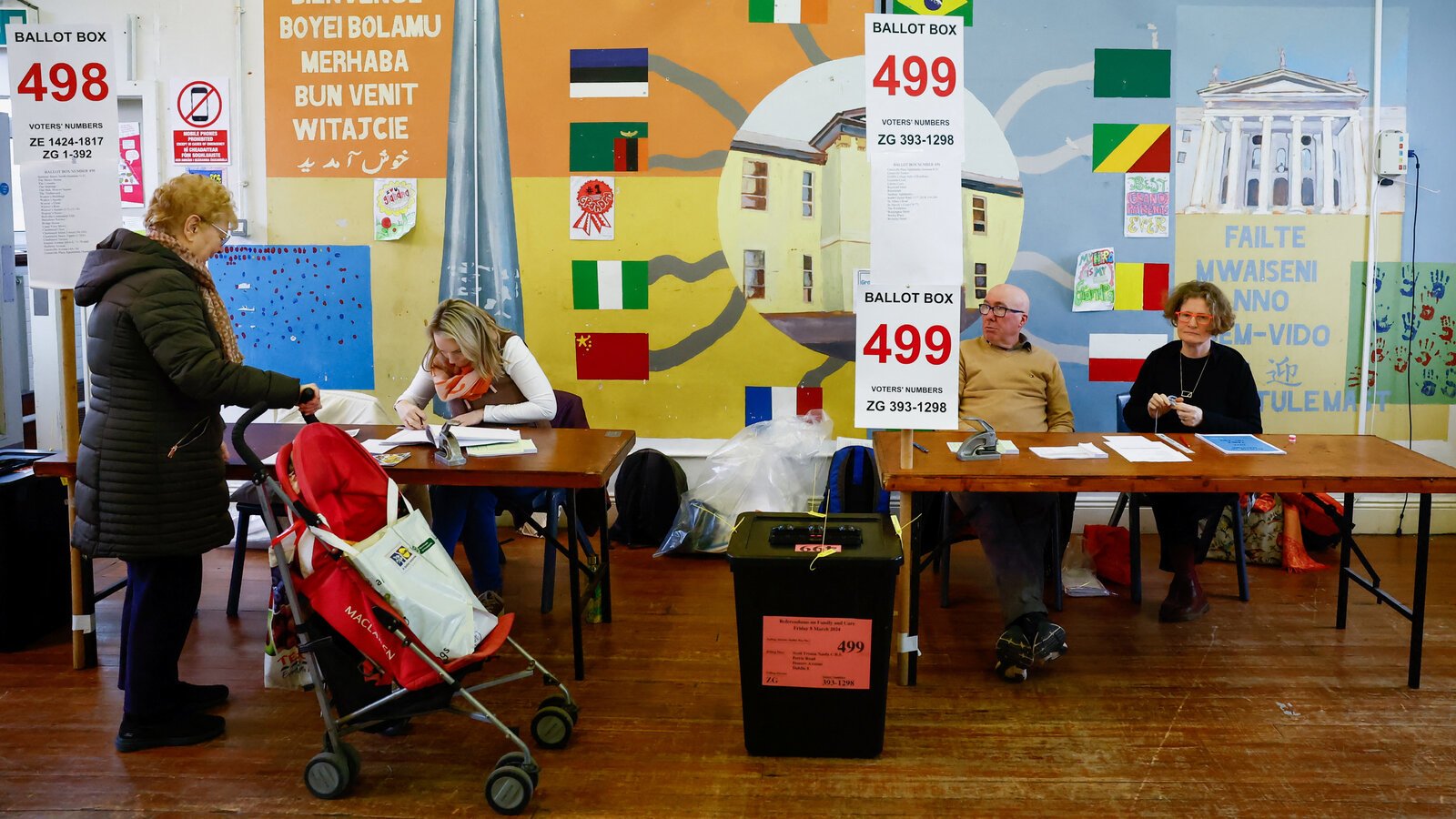

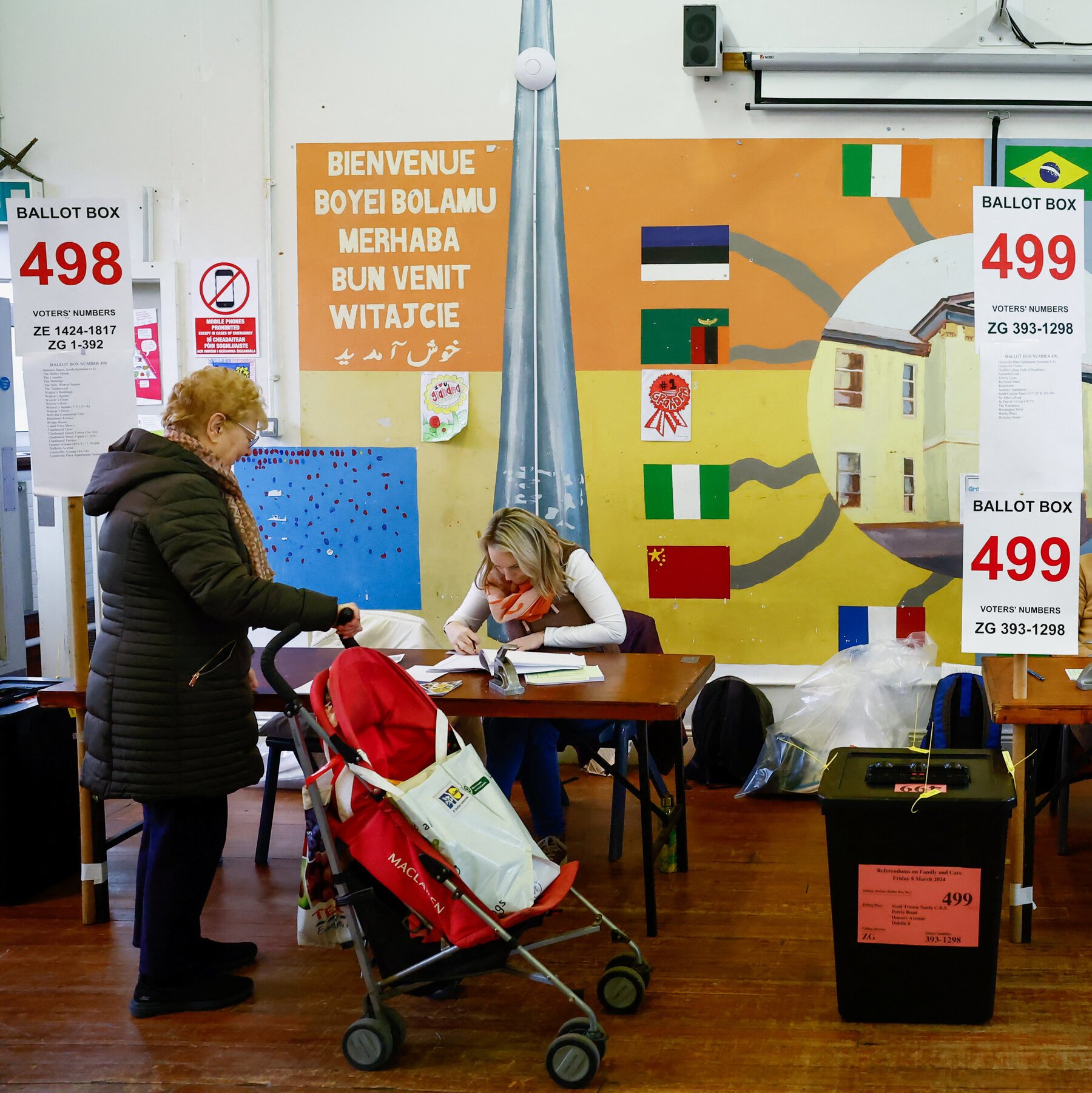
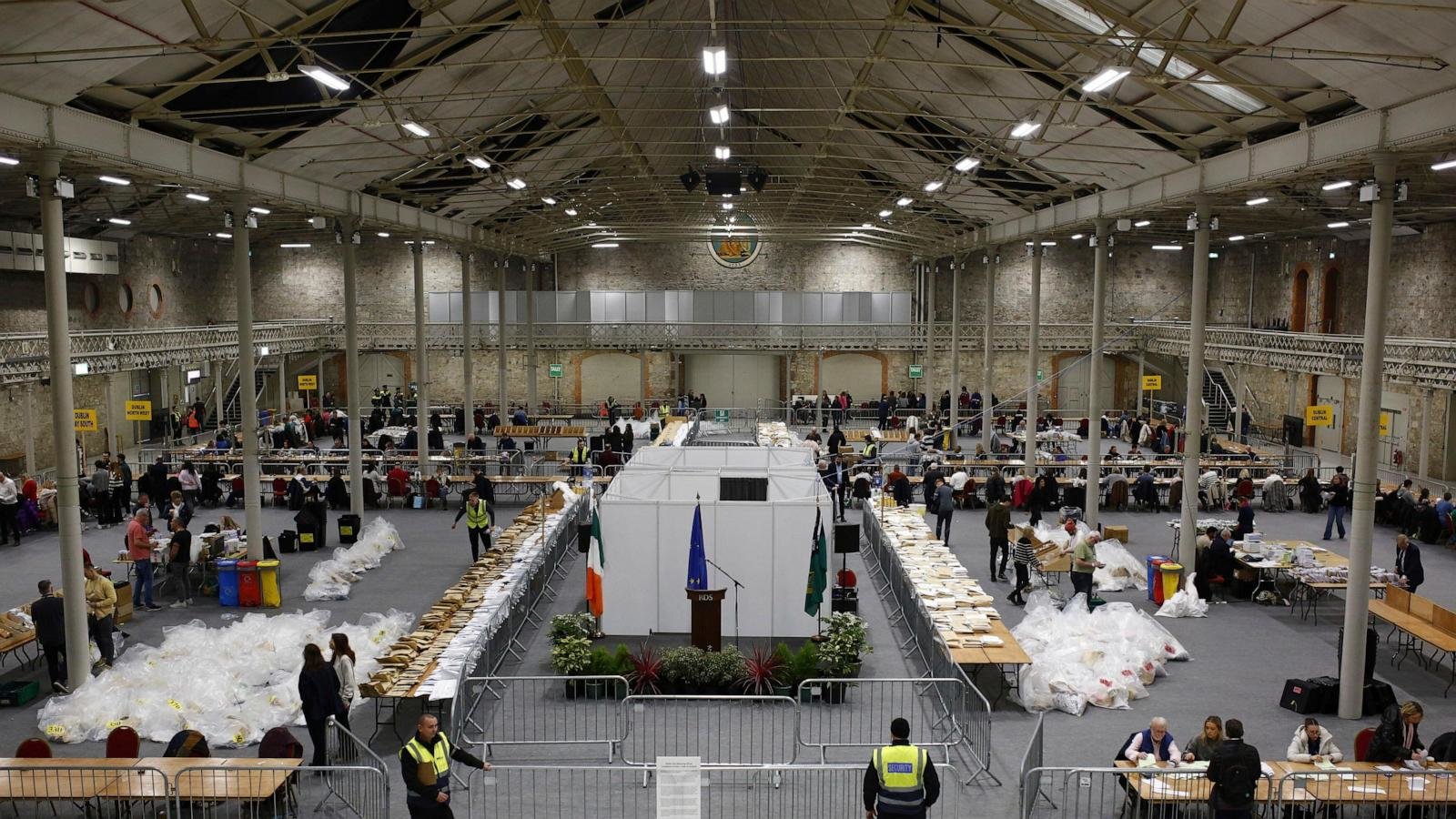
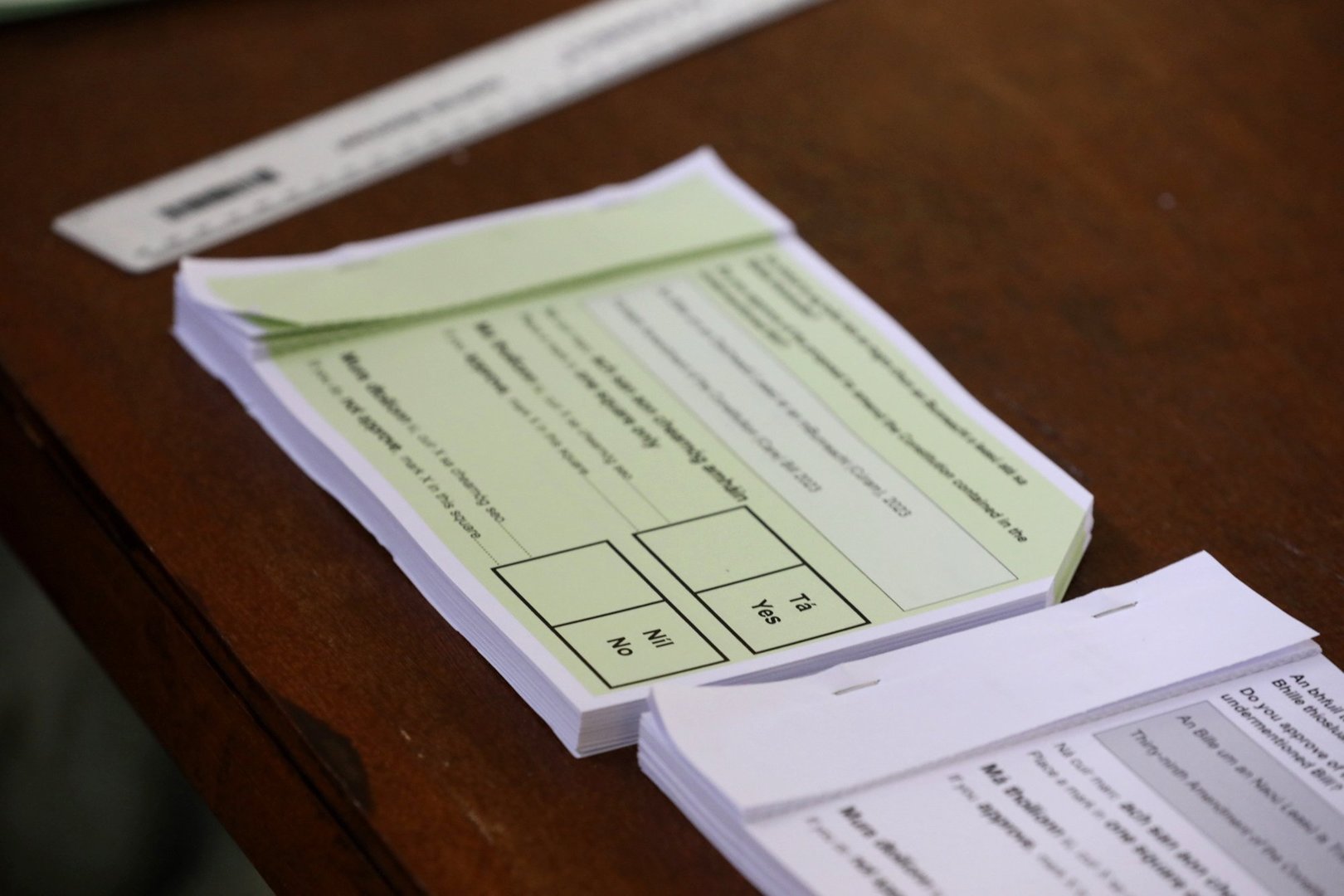
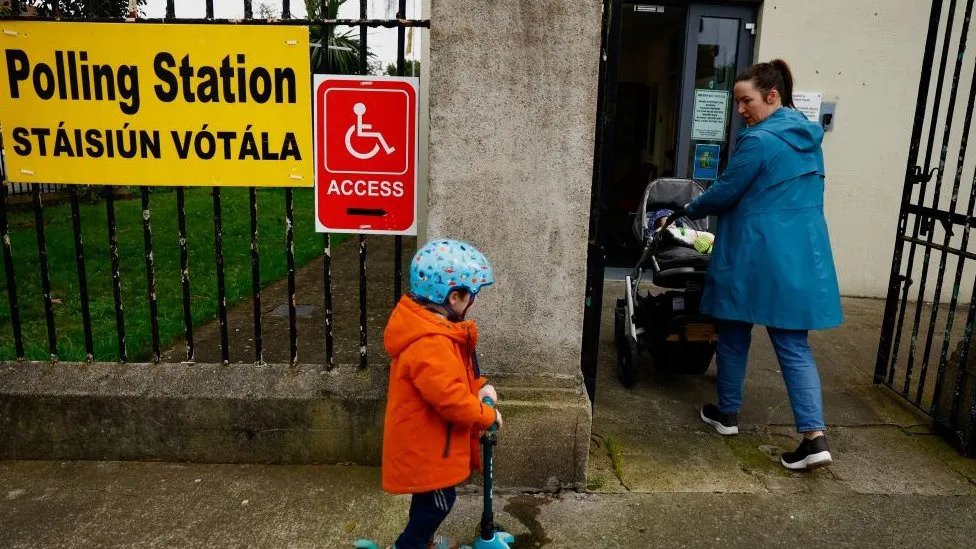


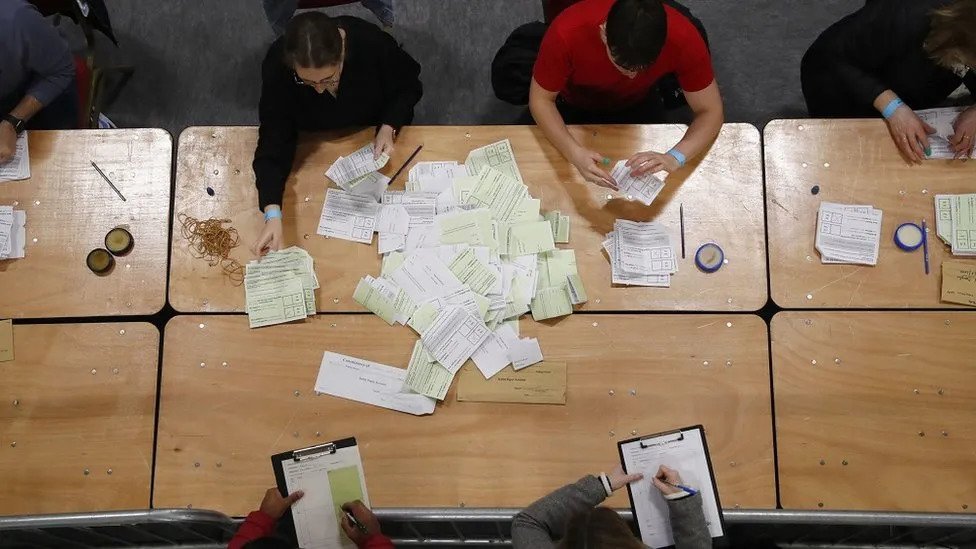

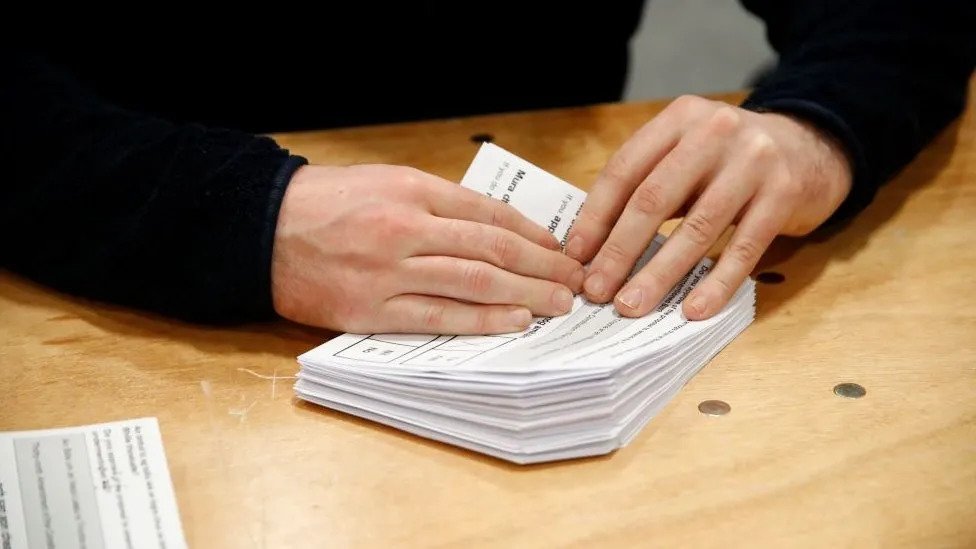
This set of referendums saw the highest 'no' vote proportion in Ireland's history. Particularly strong opposition was recorded in Donegal, while Dún Laoghaire was the only area with a slim majority in favor of redefining family.
The final votes counted in Waterford revealed significant opposition to changing the wording around women's home roles, with over 1.1 million 'no' votes.
Voter turnout was 44.4%, a noticeable decrease from the 64.1% during the 2018 abortion laws referendum.
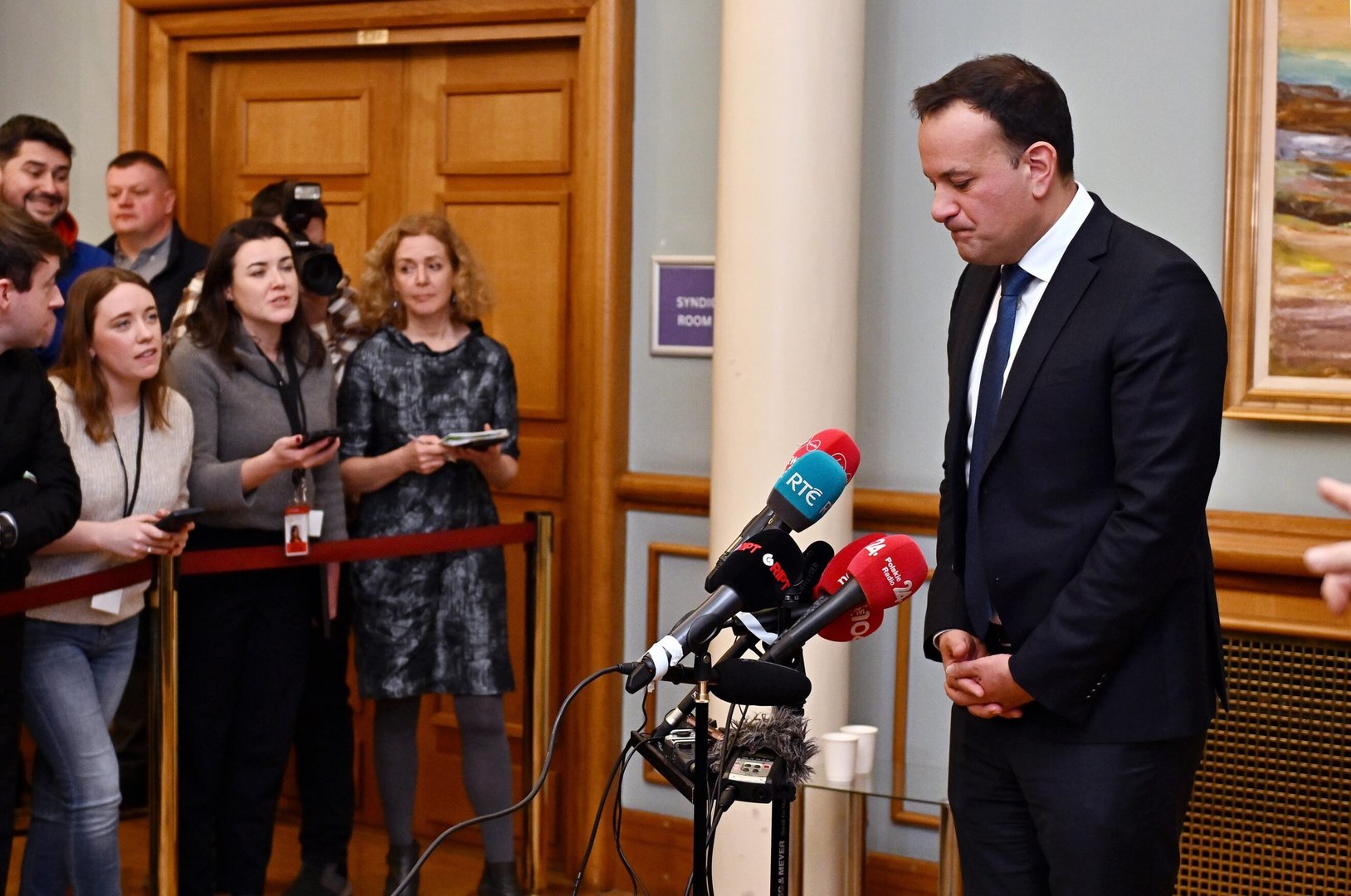
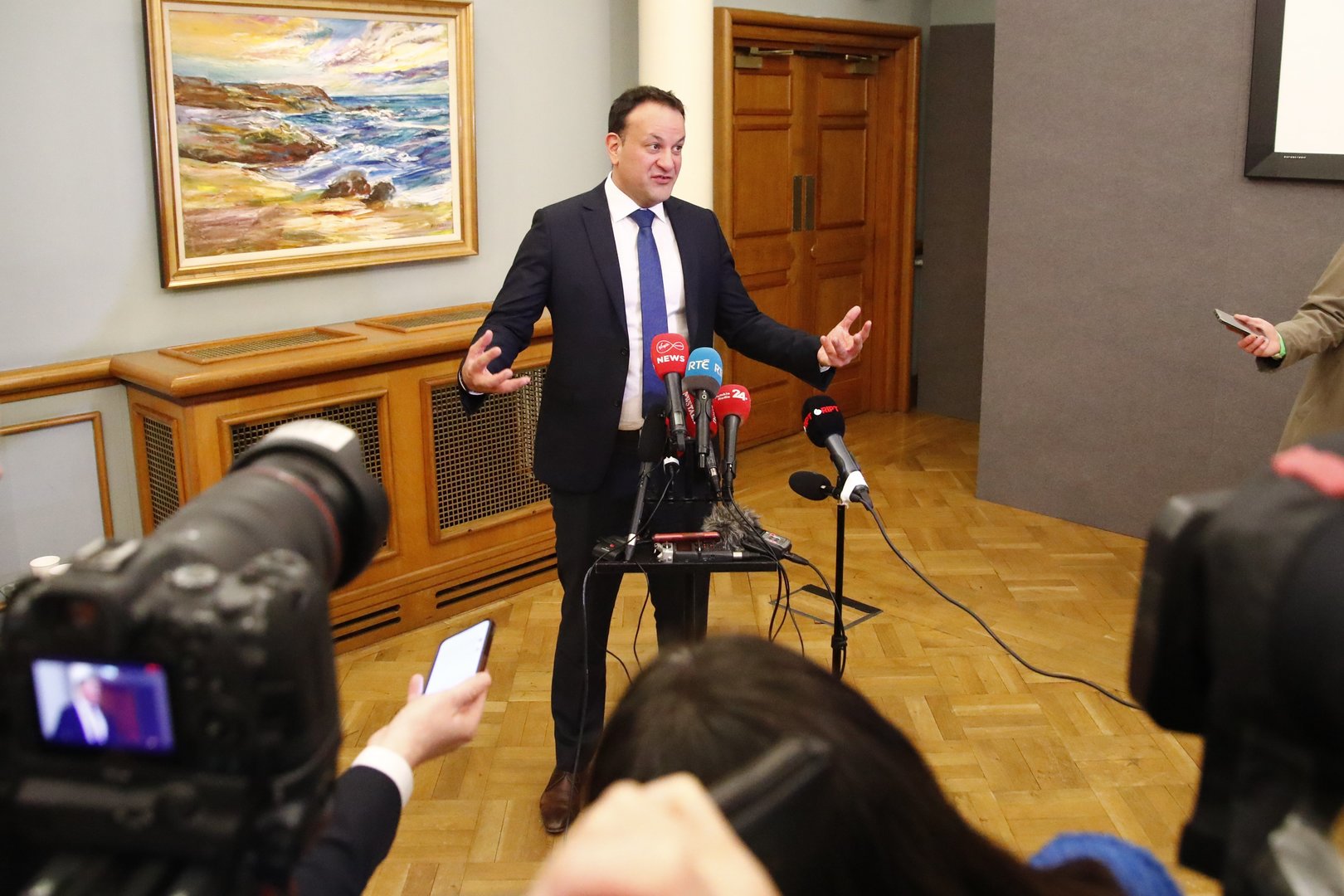
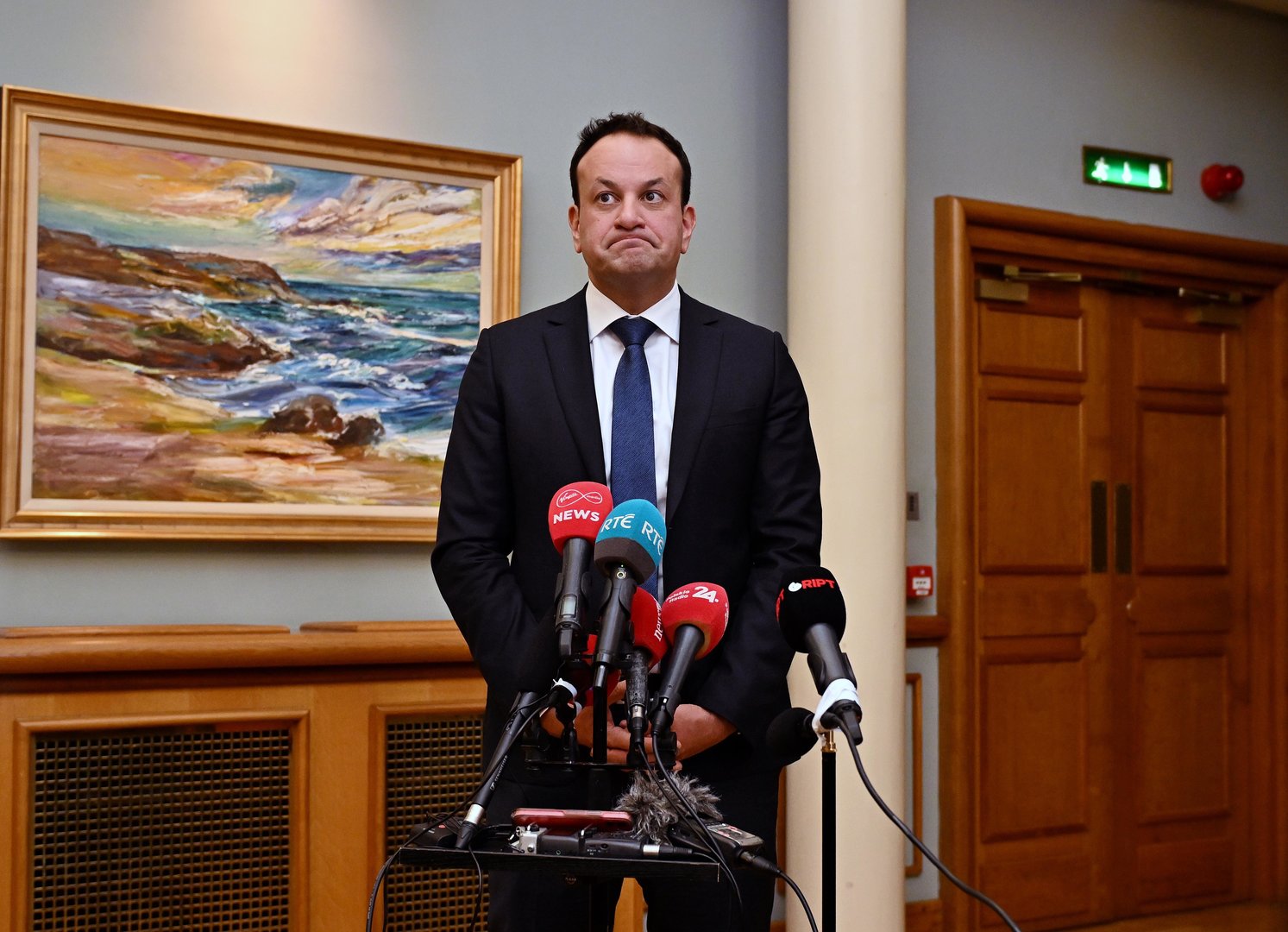
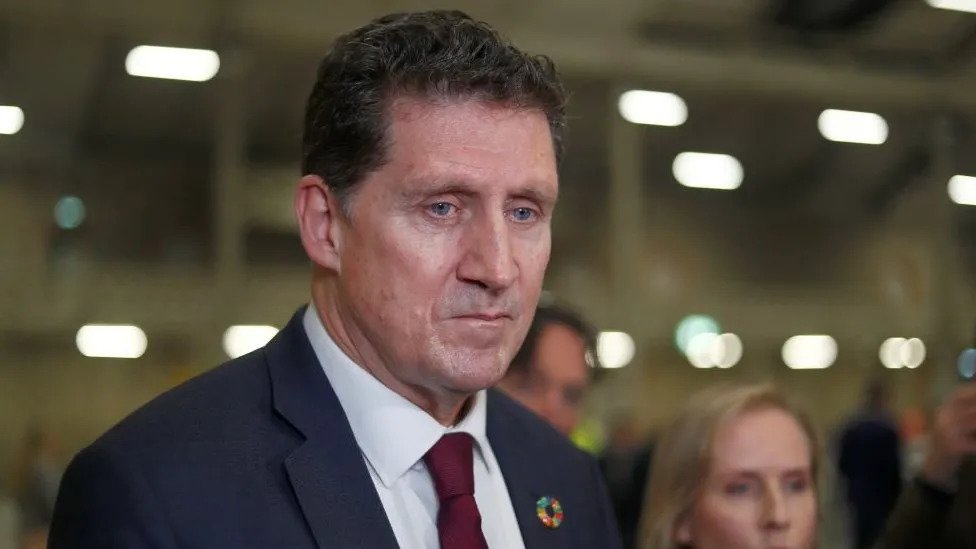
Taoiseach Leo Varadkar acknowledged the clear defeat and emphasized government respect for the outcome, conceding their failure to persuade the majority. Similarly, Tánaiste Micheál Martin accepted the decision, noting the proposals' lack of persuasion.
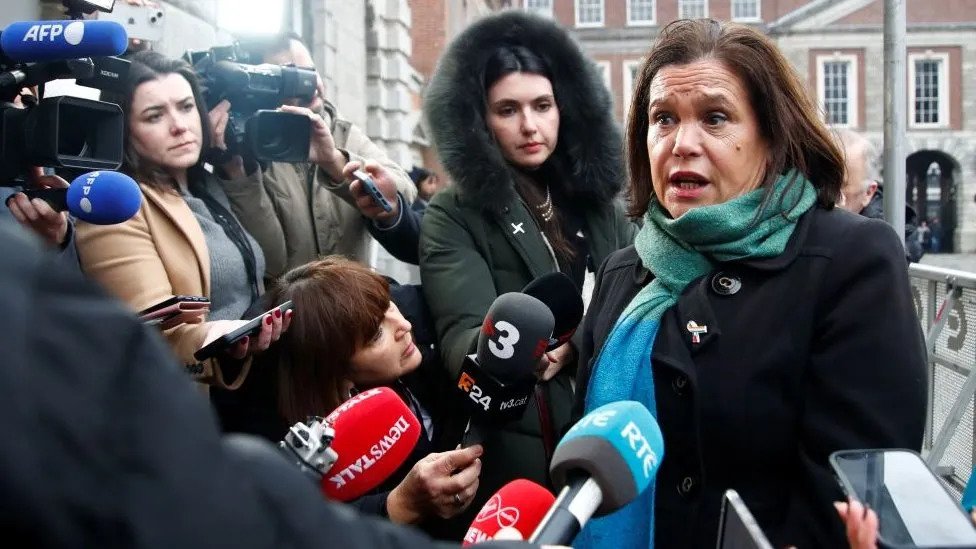
In contrast to previous constitutional changes celebrated at Dublin Castle, the atmosphere was quiet, reflecting the electorate's stance.
Senator Michael McDowell criticized the government for misjudging public sentiment and presenting poorly explained proposals with potentially serious implications.
Aontú Leader Peadar Tóibín described the rejected amendments as hollow "virtue signaling," while Senator Tom Clonan hoped the outcome would prompt discussions on disability rights, marking a pivotal moment for disabled citizens.
Voters were tasked with deciding whether to broaden the concept of family beyond marriage and to update the constitution's language on women's roles in the home. Both propositions were ultimately not endorsed by the public.