LONDON DAILY ARCHIVE
Ireland Navigates Complex Diplomatic Landscape Ahead of St. Patrick's Day Meetings with Trump
Taoiseach Micheál Martin prepares for a challenging engagement with an unpredictable U.S. administration amid geopolitical tensions.
11 March 2025 · 08:46 UTC
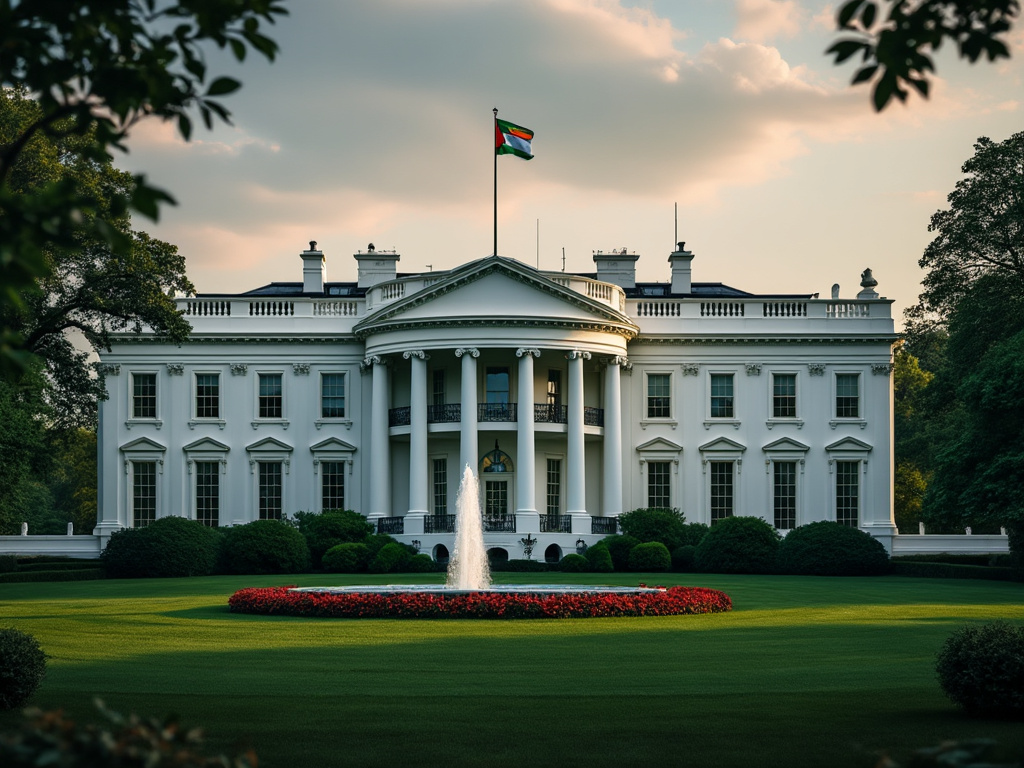
However, this year presents significant challenges as Prime Minister Micheál Martin is set to meet with President Donald Trump, a situation fraught with geopolitical tension and economic concerns.
As the first foreign leader to meet Trump since Ukrainian President Volodymyr Zelenskyy's recent visit ended without the anticipated support, Martin's upcoming discussions are marked by apprehension.
While in Texas earlier this week, he sought to solidify U.S. corporate investments, pivotal to Ireland's economy.
The Irish government anticipates that Trump's remarks may focus on Ireland's defense spending, which is among the lowest in the European Union at just 0.2% of GDP. Ireland's military capabilities—featuring a small navy and air force—raise challenges to its stance on European security policies, particularly in light of the broader transatlantic defense dialogue.
The diplomatic landscape is further complicated by Ireland's stance on Israel and Palestine.
The country has emerged as a vocal critic of Israel's actions in Gaza, formally recognizing Palestinian statehood alongside Spain and Norway.
Additionally, Ireland has joined legal efforts alleging violations of international law by Israel, prompting repercussions such as the shuttering of the Israeli embassy in Dublin.
At home, Martin faces pressure from political opposition, particularly from Sinn Féin, to address Ireland's position on Gaza directly during his meeting with Trump.
Sinn Féin has opted to boycott the St. Patrick's Day gatherings, emphasizing its solidarity with the Palestinian cause and advocating for a more confrontational approach regarding U.S. foreign policy.
U.S. officials, including Treasury Secretary Scott Bessent, have previously criticized Ireland's favorable trade surplus with the U.S., a narrative that poses risks for Martin during discussions.
The Irish government is preparing to present a counter-narrative, showcasing the mutual benefits of U.S.-Irish trade and investment, as well as Ireland's role as a key player for U.S. companies seeking access to the European market.
Martin's delegation includes seven ministers who will engage with policymakers and business leaders across the United States while emphasizing economic ties.
The Irish government aims to highlight its status as a significant investor in U.S. businesses and a partner in various sectors, including pharmaceuticals, which represent a substantial portion of Ireland's exports to the U.S.
In anticipation of the meeting, there are also plans to announce investments and collaborations in sectors where Irish and U.S. interests align, including liquefied natural gas imports.
This initiative follows a recent policy decision to explore such energy avenues as Ireland seeks to diversify its energy sources amid sustainability commitments.
Despite the expected friction over various geopolitical issues, the Irish administration remains hopeful that a focus on economic collaboration and historical ties will foster a constructive dialogue.
The upcoming discussions will serve as a critical moment in U.S.-Irish relations during a period characterized by uncertainty in international politics.