LONDON DAILY ARCHIVE
Iranian and Hezbollah Commanders Aid Houthi Attacks on Red Sea
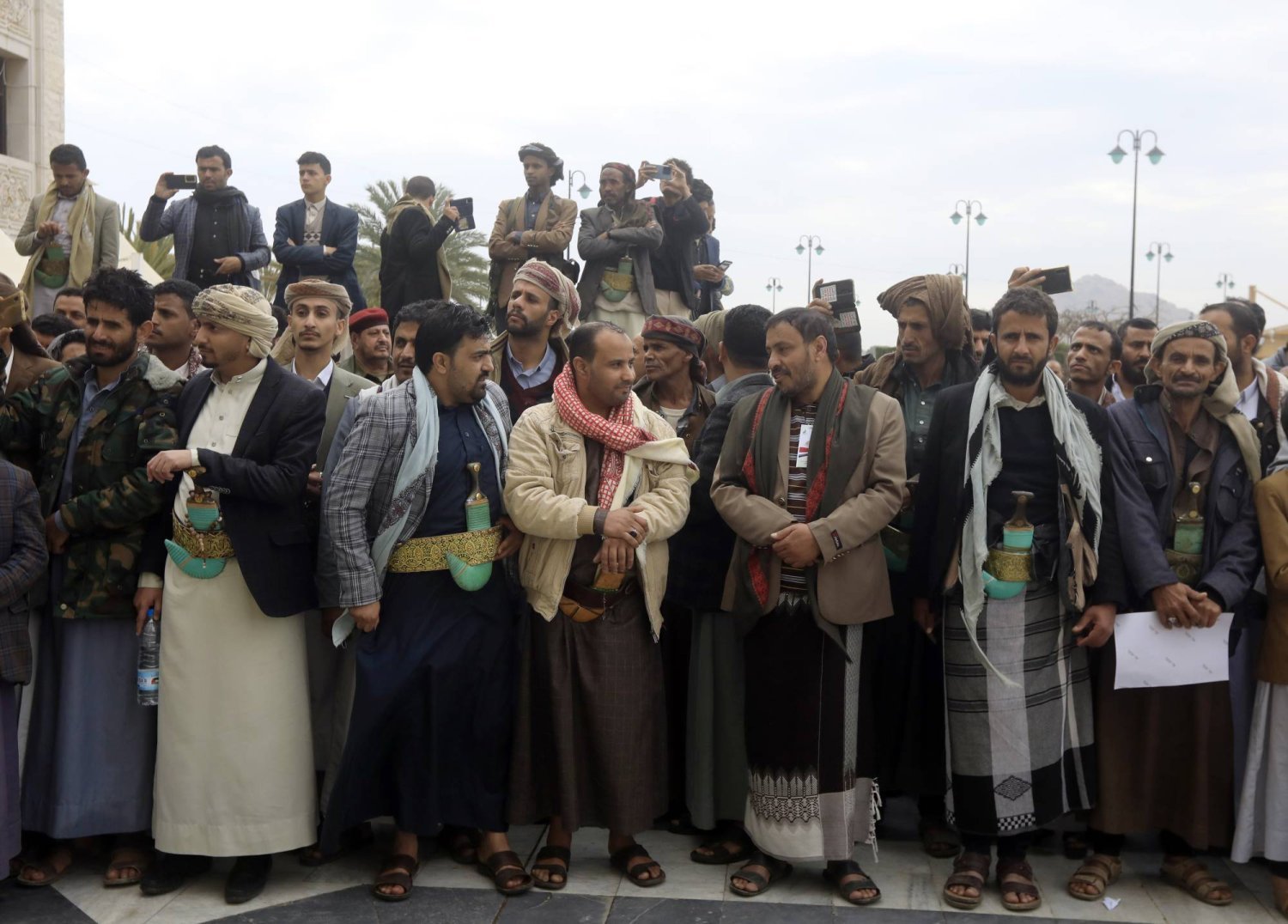
Following Yemen's Arab Spring upheaval in 2011, the Houthi movement seized control of northern regions and the capital, Sanaa, in 2014, prompting a Saudi-led coalition's military response.
21 January 2024 · 03:59 UTC
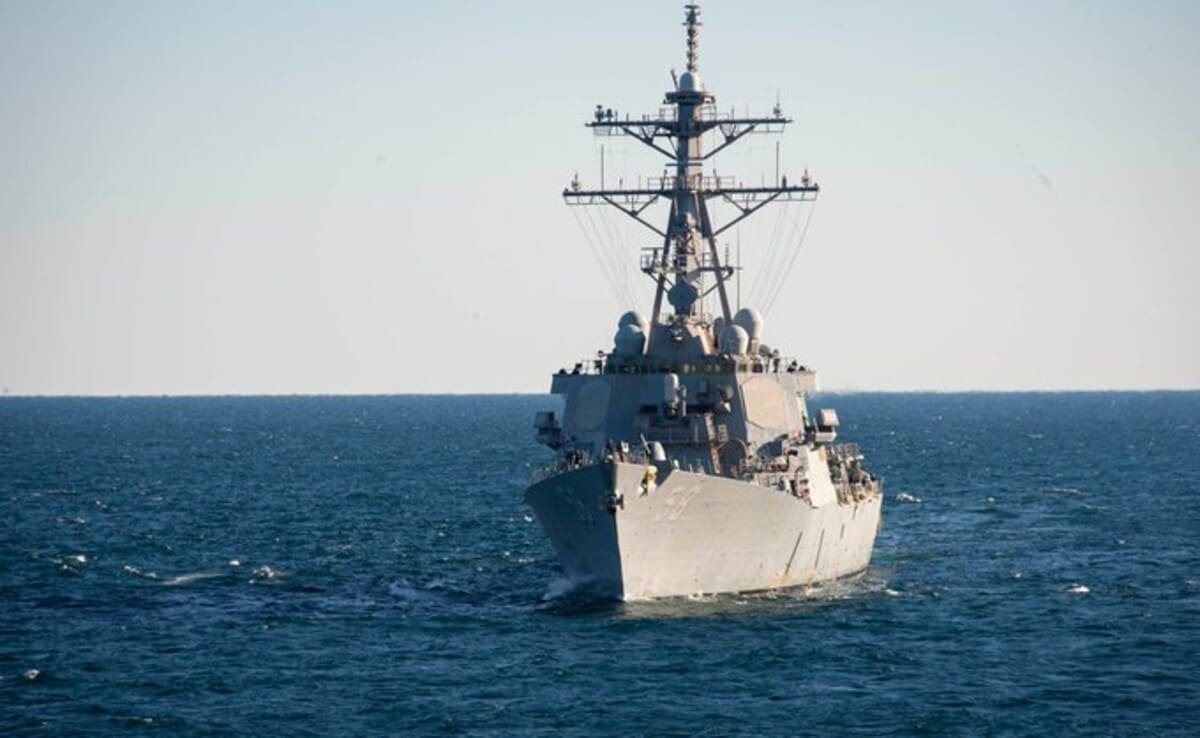
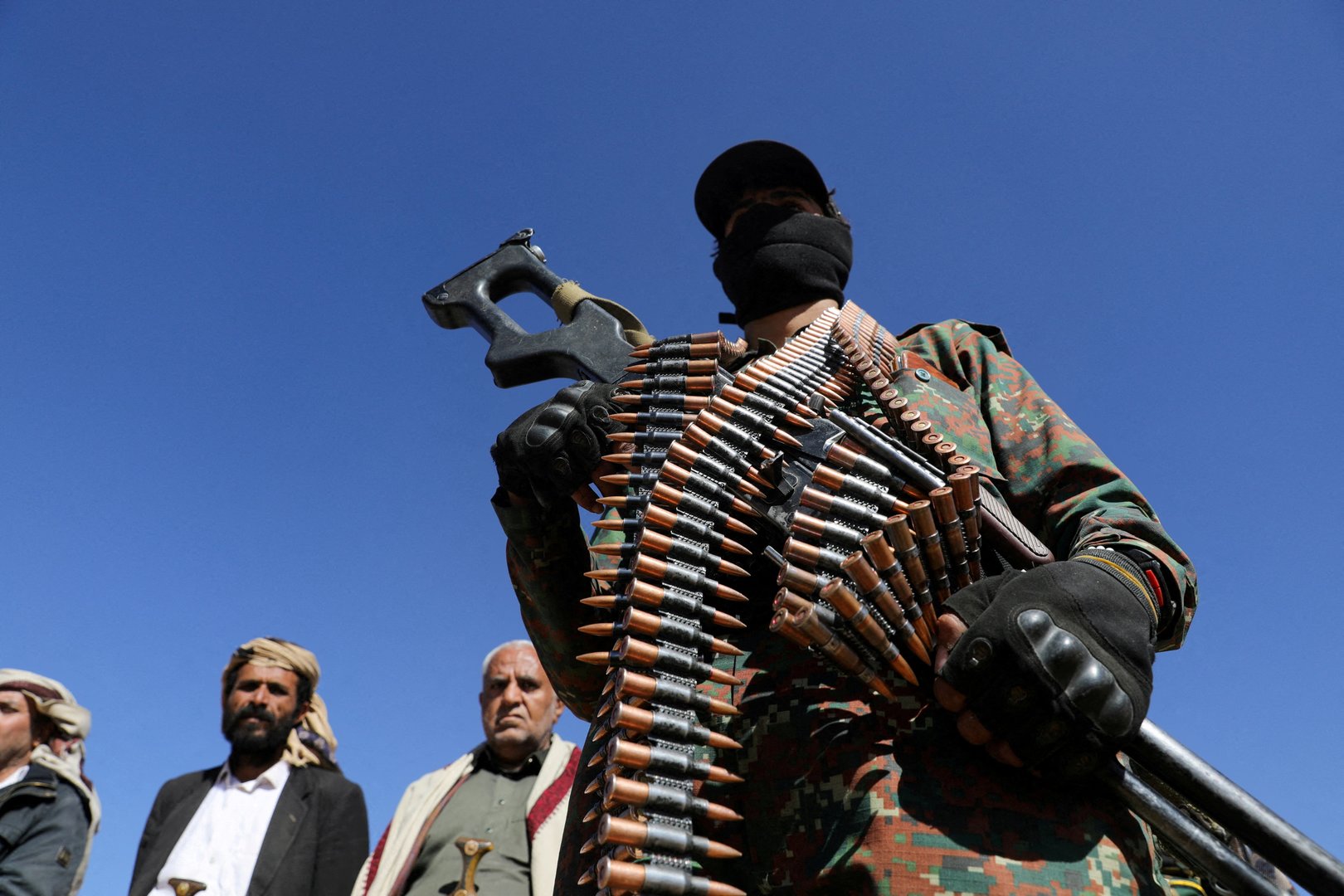
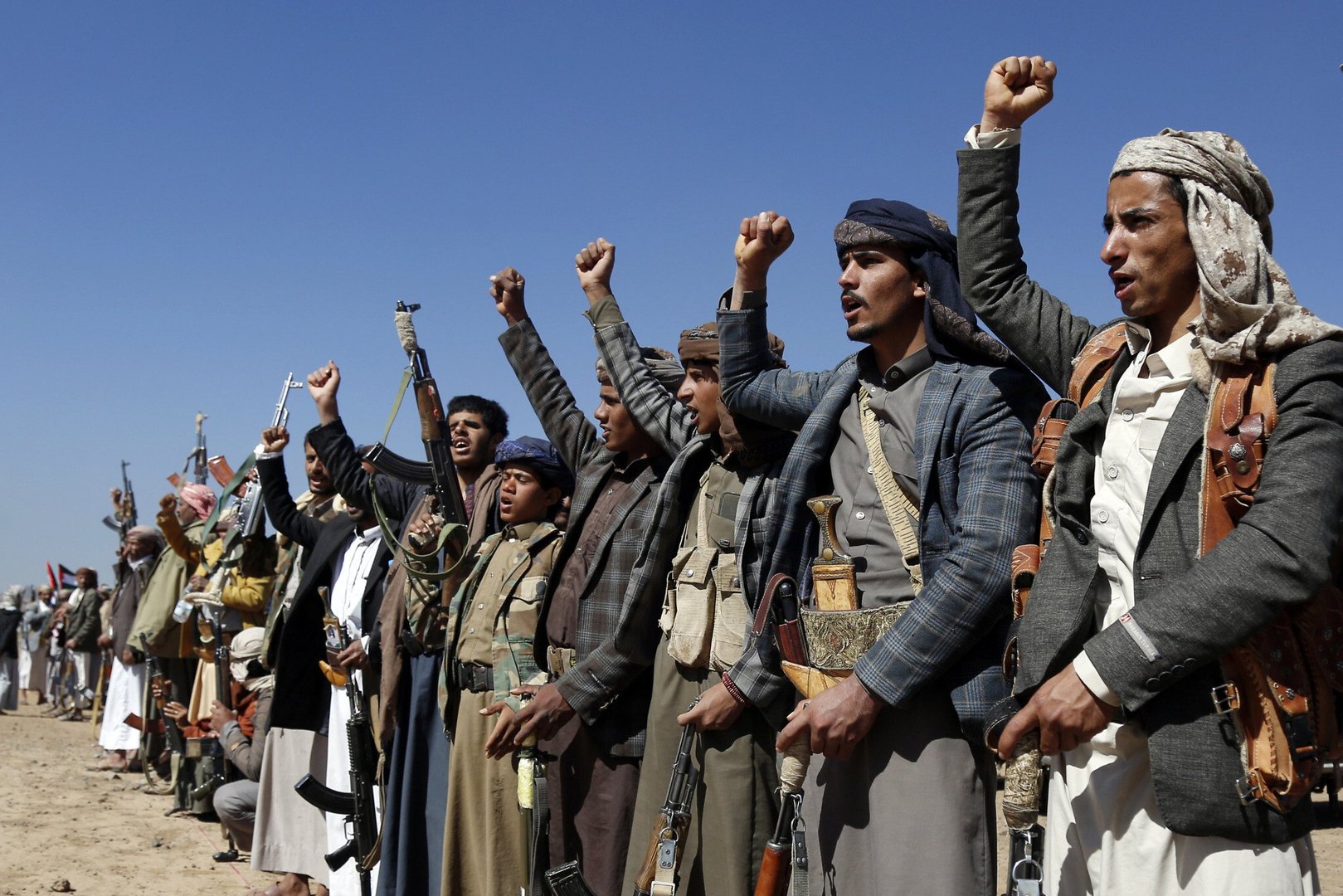
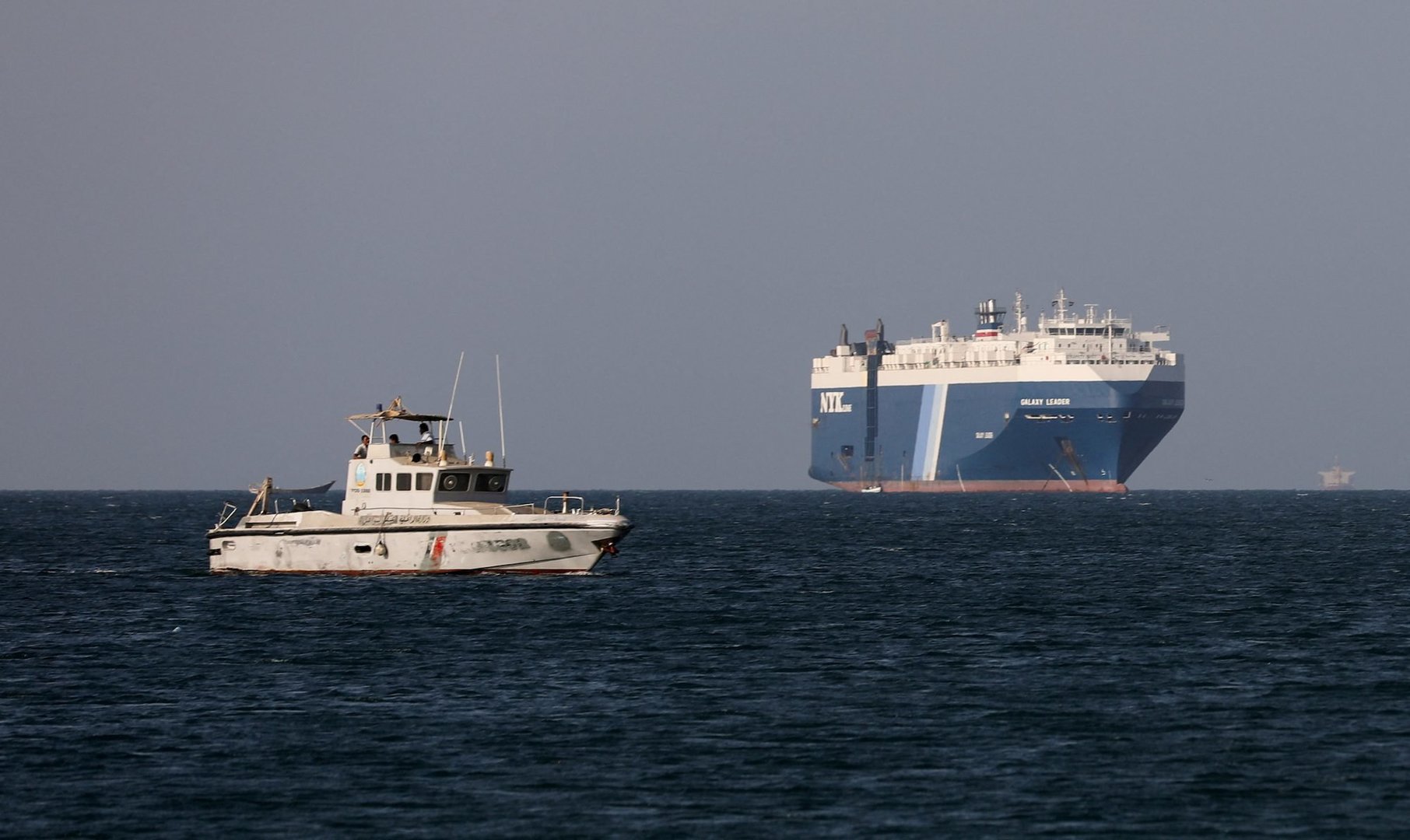
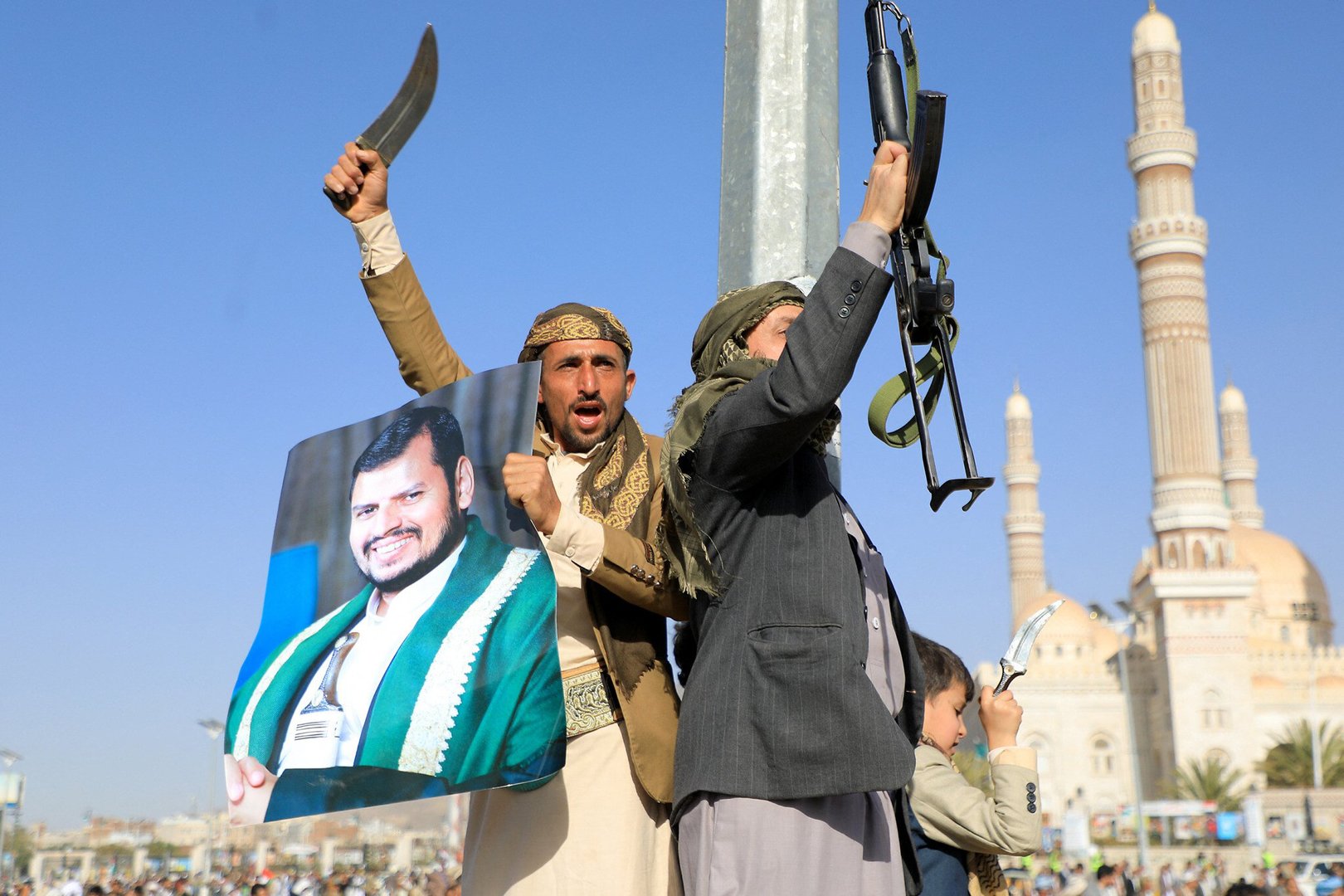
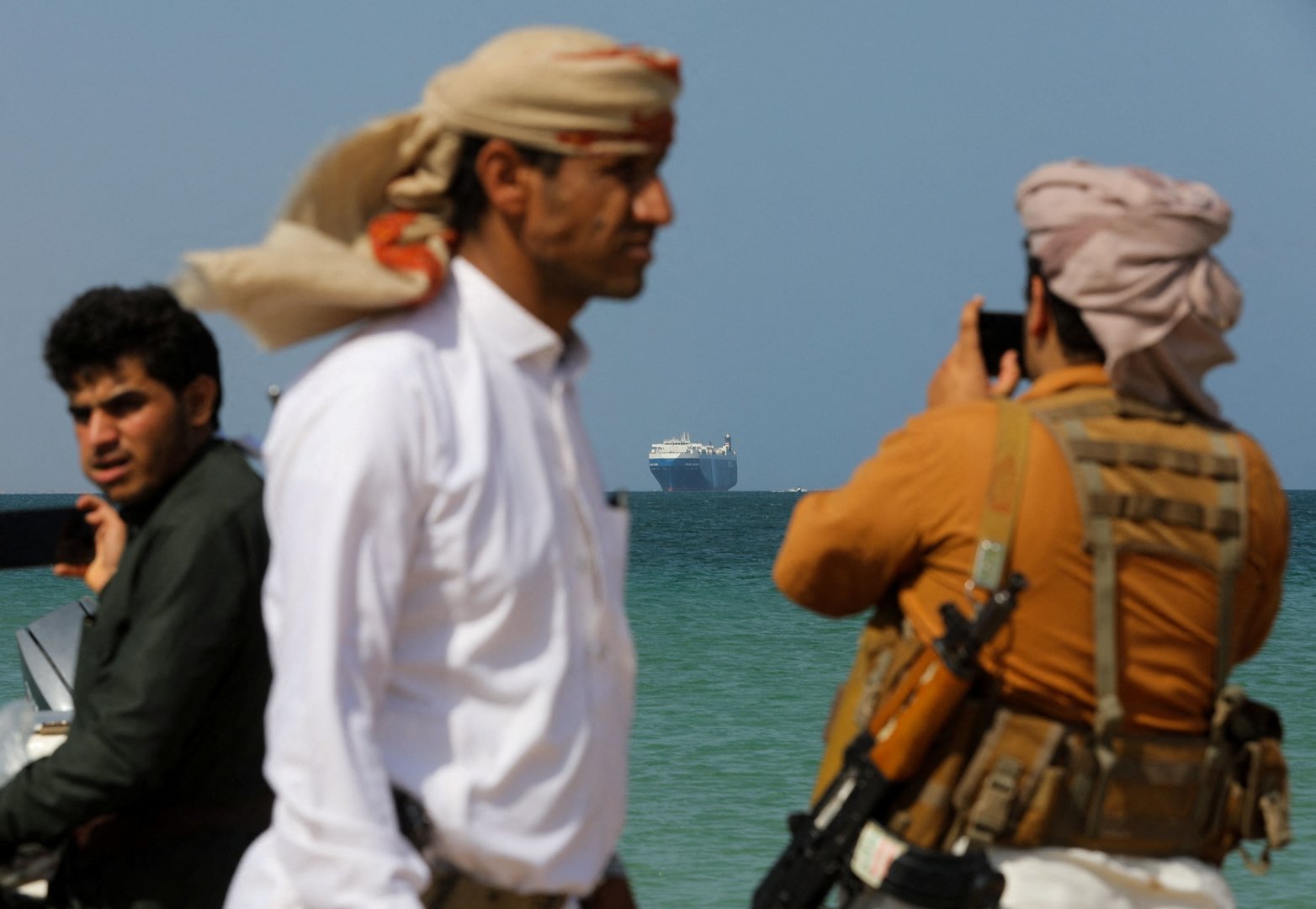
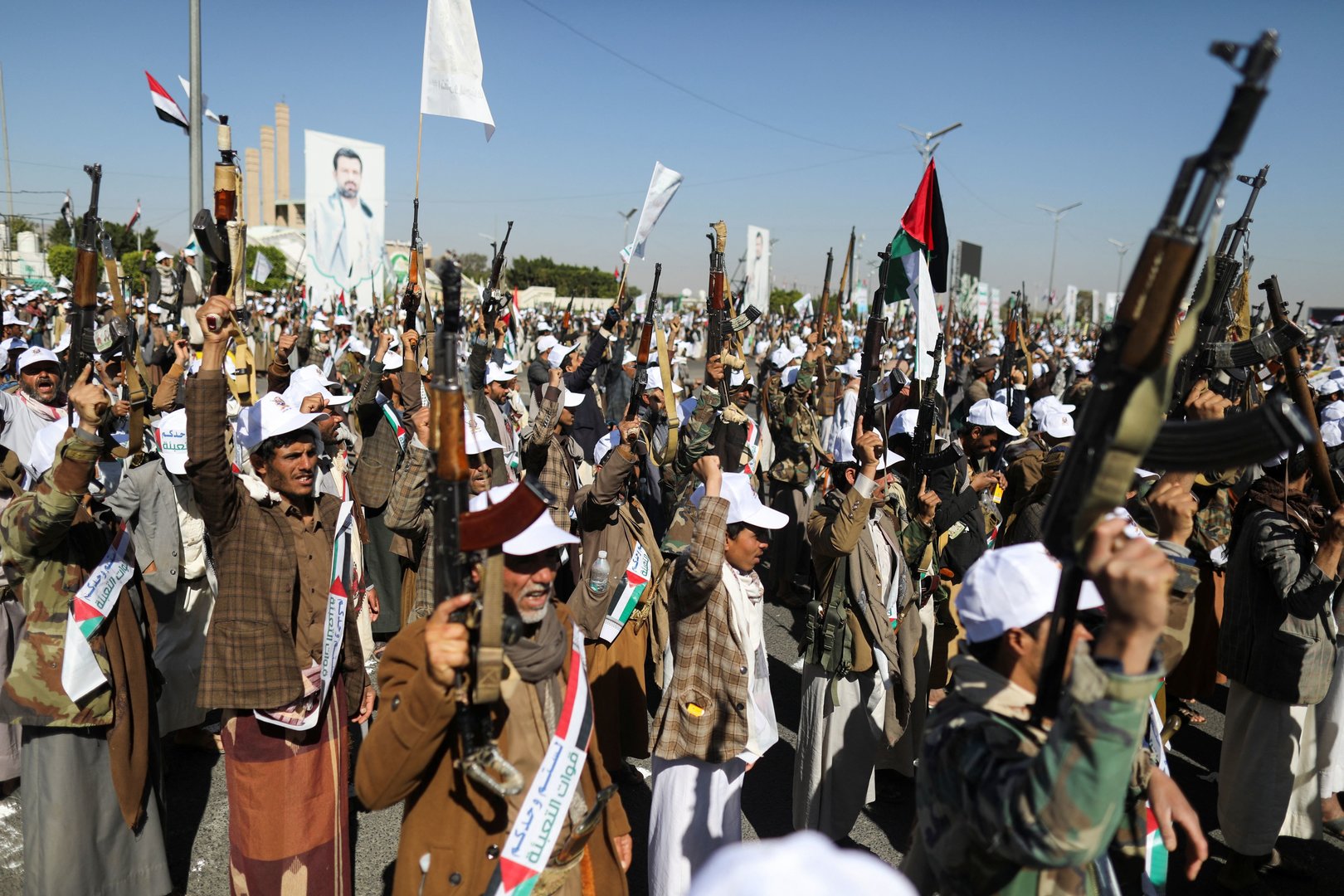
Amid increased hostilities in Gaza, Iran escalated arms shipments to the Houthis, supplying drones, missiles, and ballistic technology. These advanced weapons were used to disrupt Red Sea shipping, aligning with Gaza's Palestinian support.
IRGC experts are allegedly helping identify vessels for targeting, relying on intelligence support to distinguish potential Israeli-bound ships.
While Iran has recurrently denied involvement in Red Sea attacks, the IRGC has not commented on these assertions. Houthi representatives also refute claims of Iranian and Hezbollah aid in Red Sea operations.
Nonetheless, global transport via the critical Bab al-Mandab strait has suffered, leading to U.S. and British airstrikes on Houthi targets, escalating regional conflict.
Analysts suggest Iran's strategy involves using regional Shia militias to amplify its influence and demonstrate its capability to threaten maritime security.
Houthi spokesperson Abdulsalam recognized Iran's support but maintained Yemen's independent decision-making. Contrarily, an Iranian security official acknowledged providing Houthis with guidance pertinent to maritime assaults.
Iran's support extends beyond the Red Sea as it deployed the IRGC and Hezbollah fighters to bolster Shia militias in Syria, countering the Sunni-led uprising against President Bashar al-Assad.
Both Washington and Gulf Arab states accuse Iran of furnishing the Houthis with arms and training, aligning them within its "Axis of Resistance" against the West and Israel.
Although Tehran dismisses any direct role in maritime disruptions, Iran has been compelled to show solidarity with Hamas and utilize the Houthis' strategic advantage in impacting global shipping with minimal effort, further complicating the geopolitical landscape in the region.