
Iran Considers Moving Capital Due to Urban Difficulties
The Iranian government is considering the potential relocation of its capital from Tehran to the Makran region, pointing to various urban challenges and the necessity for economic growth.
TEHRAN: In light of growing urban challenges, the Iranian government is contemplating moving its capital from Tehran to a location along the Gulf of Oman.
This initiative has arisen after years of discussions that frequently faced interruptions due to substantial financial and logistical hurdles.
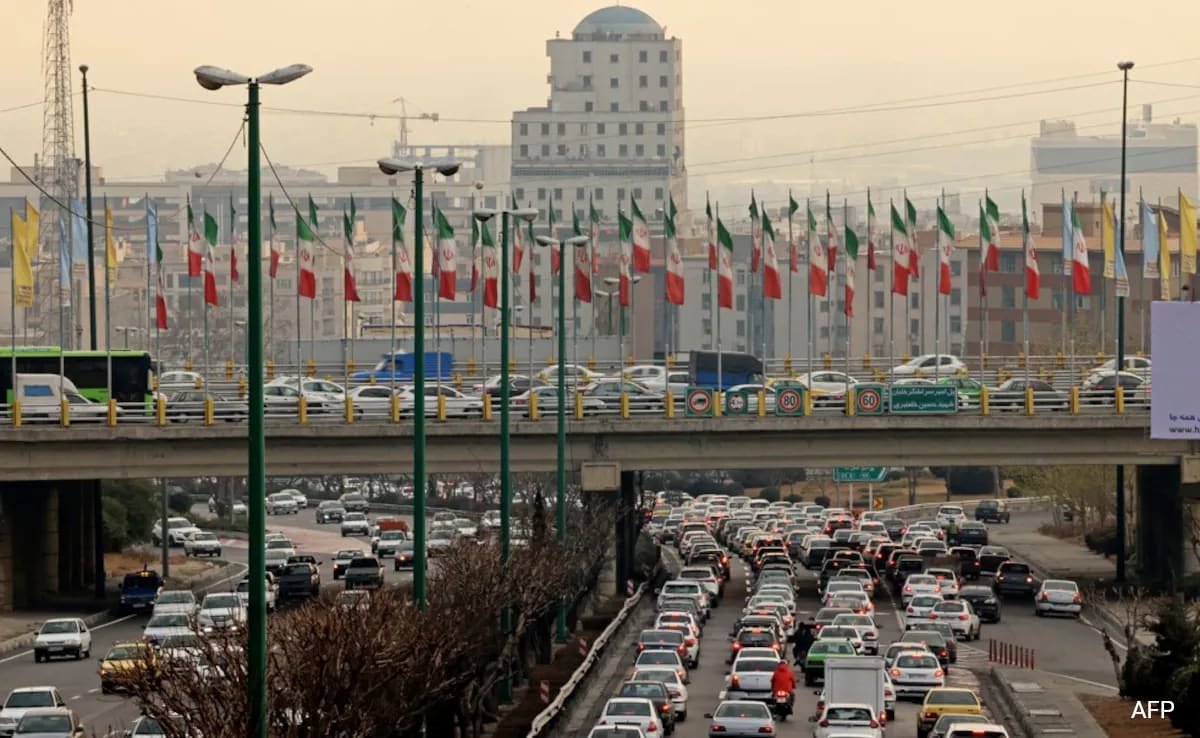
Newly elected reformist President Masoud Pezeshkian has reignited these talks, citing the need for change due to the worsening conditions in Tehran, marked by severe traffic congestion, water scarcity, air pollution, and land subsidence.
In January, government spokesperson Fatemeh Mohajerani stated that the administration was diligently exploring the feasibility of relocating the capital, with the Makran region often suggested as a possible site.
The Makran area consists of a largely undeveloped coastal stretch in Iran’s southern Sistan-Baluchistan province, along with parts of Hormozgan province.
Foreign Minister Abbas Araghchi has stressed the ambition of developing Makran into a major economic hub for both Iran and the surrounding region.
Recently, President Pezeshkian underscored the importance of relocating the country's economic and political center closer to the coast.
He pointed out that current policies have worsened the challenges faced by Tehran, prompting demands for significant action.
Lawmaker Ali Khazaei has urged that the new capital should reflect Iran's rich cultural heritage, noting that Tehran has served as the nation's capital since 1786, chosen by Agha Mohammad Khan Qajar.
For more than two centuries, the city has been a central political, administrative, and cultural hub.
Current estimates suggest that Tehran's population is nearing 18 million, with an additional two million commuters.
Situated on a plateau at the base of the Alborz mountain range, the city showcases a blend of modern architecture and historical landmarks.
In contrast, the Makran region is known for its fishing communities, sandy shores, and ancient history tracing back to the time of Alexander the Great.
Public sentiment is mixed regarding the proposed relocation.
Some residents, including engineer Kamyar Babaei, voice concerns about losing Tehran's historical and cultural significance.
Urban planning experts highlight Tehran's strategic advantages, especially in emergencies, while others warn about the challenges tied to relocating the capital.
Moreover, former Tehran mayor Pirouz Hanachi argues that the city’s current issues could be resolved through focused investments and urban development initiatives rather than through relocation.
The financial consequences of such a major shift have not been officially assessed, but former interior minister Ahmad Vahidi indicated in April that costs could soar to about $100 billion.
While local media have discussed the economic possibilities of Makran as a commercial center, the potential for degradation of existing urban infrastructure adds to Iran's financial pressures, which are already exacerbated by long-standing international sanctions.
Additionally, reports bring attention to environmental issues in the Makran region, such as climate change and diminishing water resources, which could impede extensive development.
Analysts suggest that choosing Makran as a potential new capital might align with Iran's larger strategic goals, enabling the nation to compete with regional ports like Dubai and Gwadar in Pakistan, and could positively impact the nearby port city of Chabahar.
This dialogue continues to develop, reflecting the intricate interactions of Iran's urban planning, economic ambitions, and historical identity.
This initiative has arisen after years of discussions that frequently faced interruptions due to substantial financial and logistical hurdles.
Newly elected reformist President Masoud Pezeshkian has reignited these talks, citing the need for change due to the worsening conditions in Tehran, marked by severe traffic congestion, water scarcity, air pollution, and land subsidence.
In January, government spokesperson Fatemeh Mohajerani stated that the administration was diligently exploring the feasibility of relocating the capital, with the Makran region often suggested as a possible site.
The Makran area consists of a largely undeveloped coastal stretch in Iran’s southern Sistan-Baluchistan province, along with parts of Hormozgan province.
Foreign Minister Abbas Araghchi has stressed the ambition of developing Makran into a major economic hub for both Iran and the surrounding region.
Recently, President Pezeshkian underscored the importance of relocating the country's economic and political center closer to the coast.
He pointed out that current policies have worsened the challenges faced by Tehran, prompting demands for significant action.
Lawmaker Ali Khazaei has urged that the new capital should reflect Iran's rich cultural heritage, noting that Tehran has served as the nation's capital since 1786, chosen by Agha Mohammad Khan Qajar.
For more than two centuries, the city has been a central political, administrative, and cultural hub.
Current estimates suggest that Tehran's population is nearing 18 million, with an additional two million commuters.
Situated on a plateau at the base of the Alborz mountain range, the city showcases a blend of modern architecture and historical landmarks.
In contrast, the Makran region is known for its fishing communities, sandy shores, and ancient history tracing back to the time of Alexander the Great.
Public sentiment is mixed regarding the proposed relocation.
Some residents, including engineer Kamyar Babaei, voice concerns about losing Tehran's historical and cultural significance.
Urban planning experts highlight Tehran's strategic advantages, especially in emergencies, while others warn about the challenges tied to relocating the capital.
Moreover, former Tehran mayor Pirouz Hanachi argues that the city’s current issues could be resolved through focused investments and urban development initiatives rather than through relocation.
The financial consequences of such a major shift have not been officially assessed, but former interior minister Ahmad Vahidi indicated in April that costs could soar to about $100 billion.
While local media have discussed the economic possibilities of Makran as a commercial center, the potential for degradation of existing urban infrastructure adds to Iran's financial pressures, which are already exacerbated by long-standing international sanctions.
Additionally, reports bring attention to environmental issues in the Makran region, such as climate change and diminishing water resources, which could impede extensive development.
Analysts suggest that choosing Makran as a potential new capital might align with Iran's larger strategic goals, enabling the nation to compete with regional ports like Dubai and Gwadar in Pakistan, and could positively impact the nearby port city of Chabahar.
This dialogue continues to develop, reflecting the intricate interactions of Iran's urban planning, economic ambitions, and historical identity.