LONDON DAILY ARCHIVE
Infected Blood Donations in Northern Ireland: Inquiry Findings
An inquiry into the infected blood donations in Northern Ireland found that most of the contaminated blood came from prisoners and the Army. It described the situation as a calamity and revealed that Northern Ireland followed decisions made in London. Prime Minister Rishi Sunak apologized, and compensation is expected soon.
20 May 2024 · 22:46 UTC
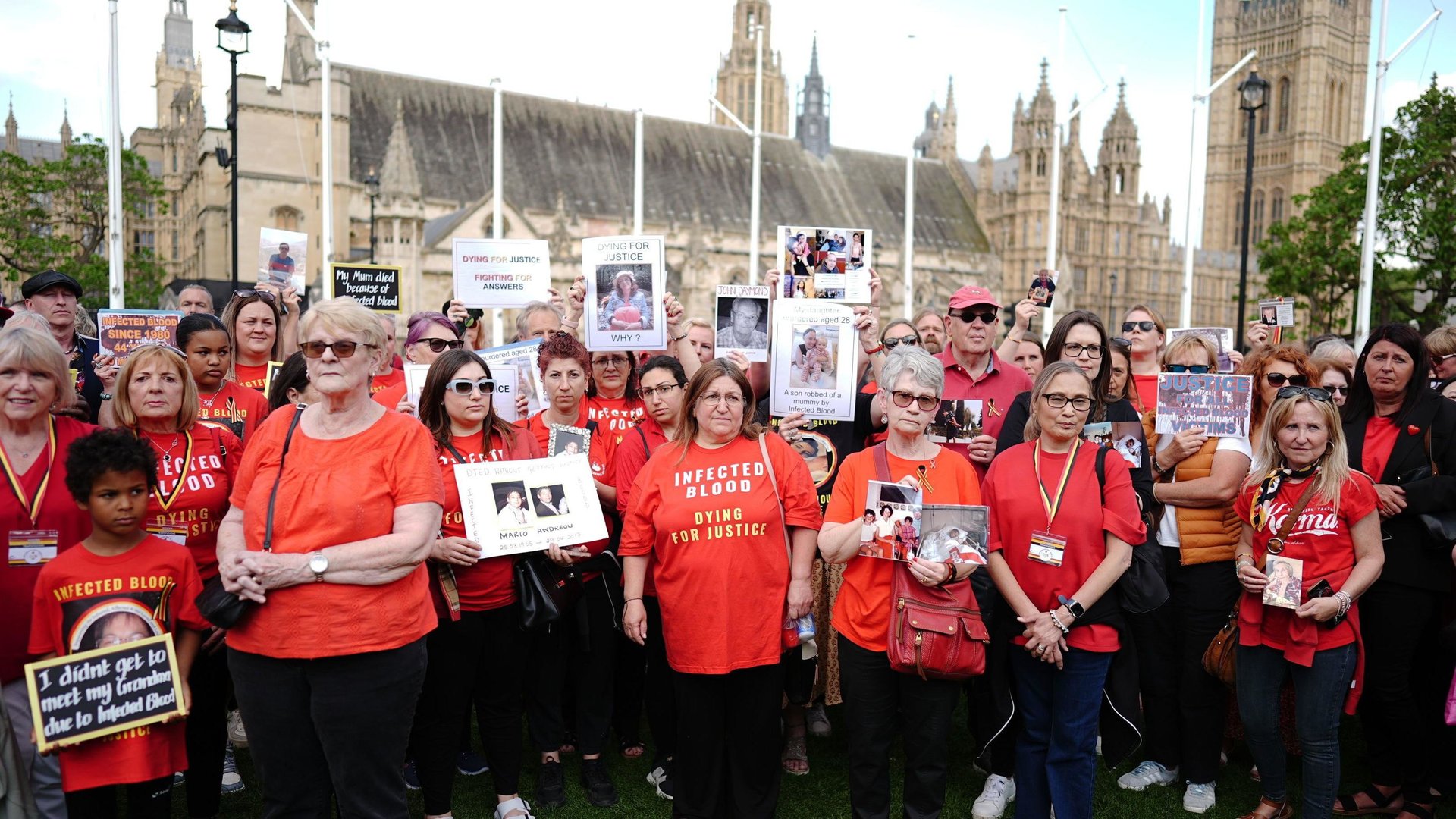
Conducted by the Infected Blood Inquiry and published on Monday, the investigation uncovered that systemic failures led to thousands of infections, describing the situation as a 'calamity.' The report indicated that Northern Ireland had little control over the scandal, following decisions made in London.
Prime Minister Rishi Sunak issued a full apology, and compensation is expected soon.
In 2022, the government announced one hundred thousand pound interim payments for approximately 4,000 UK victims, including around one hundred in Northern Ireland.
Health Minister Robin Swann apologized for the harm caused and insisted that victims receive equal treatment.
The report recommended immediate establishment of a compensation scheme and a permanent memorial.
It also advised that medical and dental training in Northern Ireland incorporate lessons from this incident.
More than 30,000 people across the UK were infected between 1970 and 1991.
Blood sources were scarce in Northern Ireland, leading to reliance on riskier donors such as prisoners and armed forces members, who significantly contributed to the contamination.
The scandal marks one of the NHS's worst treatment disasters, mostly avoidable as per the inquiry.
Memorials and systematic changes, including a statutory duty of candour, were also recommended.
Health trusts and the Northern Ireland Blood Transfusion Service issued apologies and pledged to implement the report’s recommendations.