LONDON DAILY ARCHIVE
Independent Candidate Wins Hounslow By-Election Amid Council Tax Controversy
Theo Dennison claims victory as Labour faces significant vote share loss in the Syon and Brentford Lock seat
08 March 2025 · 09:26 UTC
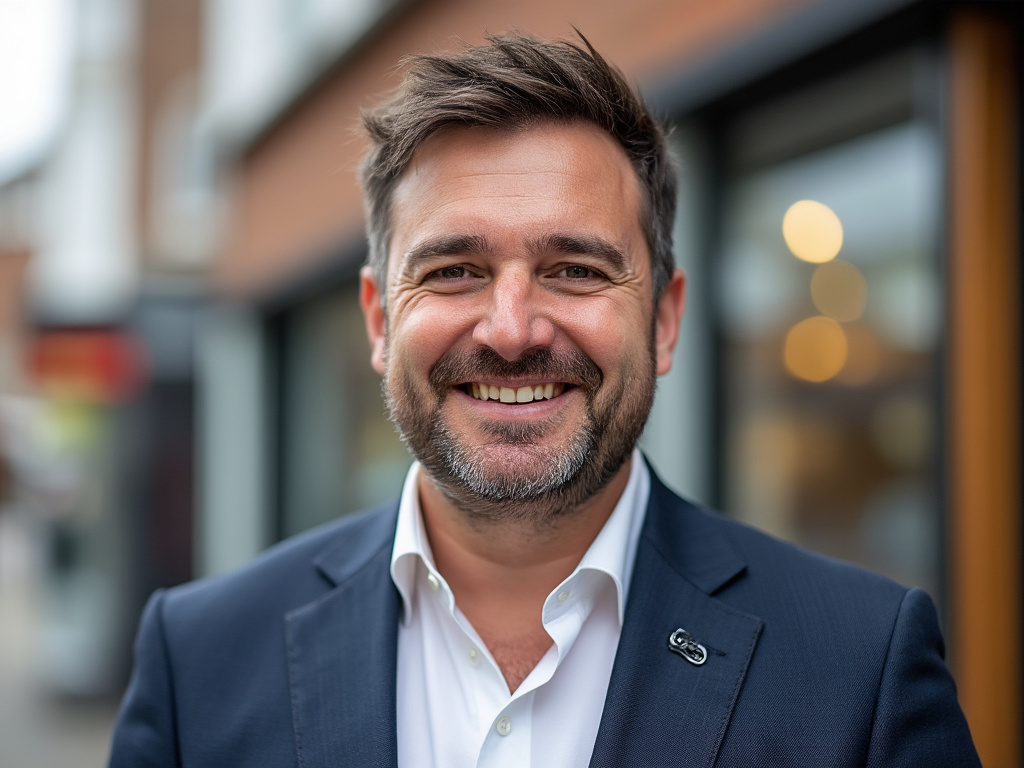
The by-election, held on Thursday, was prompted by the resignation of Labour councillor Balraj Sarai, who had attended only three out of a potential 11 council meetings in the previous year, despite receiving a council allowance exceeding £12,000.
Dennison, who served as a Labour councillor from 2010 until 2022, departed the party following disputes with its leadership.
In his independent campaign, he focused on opposing proposed increases in council tax and cuts to benefits for low-income residents.
His campaign resonated with the electorate, earning him 615 votes compared to Labour’s 603, while the Green Party secured 218 votes.
Voter turnout in the election was recorded at just 21%.
In a response posted on social media, Galloway congratulated Dennison on his victory, reflecting their previous working relationship during his time in Parliament.
In a contrasting outcome within the borough, Labour successfully retained the Brentford East ward seat, though they experienced a decrease in their vote share, dropping nearly 15% compared to previous elections.
The Reform party emerged as a notable contender, finishing with 22% of the votes.
The political dynamics in London also saw the Conservative Party defend the Finchley Church End ward seat in Barnet successfully.
Publican Martin Hayes, advocating for the hospitality sector, won the Vincent Square ward seat for the Conservatives.
Labour’s performance in that election saw them lose nearly 11 points in vote share, resulting in a second-place finish, with Nigel Farage’s Reform UK claiming third with 9.6% of the vote.
In a separate business development, John Lewis announced a significant pay rise for its staff ahead of April’s increase in the UK minimum wage.
Approximately 65,000 employees are set to receive raises of at least 7.4%, while Currys will adjust its pay for 15,000 retail employees by 6%.
These increases come in response to surging inflation rates, which reached a 10-month high of 3% in January.
John Lewis plans to allocate £114 million towards the pay raise, which will elevate their minimum hourly wage to £12.40, while workers in London will receive £13.85 an hour.
In corporate news, BP's chief executive Murray Auchincloss faced a £2.3 million pay reduction following a substantial decline in profits attributed to falling oil and gas prices.
His compensation reduced from £7.7 million in 2023 to £5.4 million, alongside a decrease in bonus payments.
The company reported a profit of £7.2 billion, which represents a one-third drop year-on-year.
BP has also revised its strategic direction, signaling a reduction in investments in renewable energy while maintaining its goal to achieve net-zero carbon emissions by 2050.
Meanwhile, reports indicate that the UK Treasury is contemplating cuts to funding for GB Energy, the state-owned company aimed at boosting renewable energy initiatives.
This follows Labour's previous commitment of £8.3 billion over five years to support clean energy projects.
Speculation about potential funding reductions is expected to impact investor confidence, with GB Energy's ability to meet its employment pledges coming under scrutiny.
The interim chief executive of GB Energy has been appointed to navigate its establishment in renewable energy, amid challenges in securing leadership for its headquarters in Aberdeen.