LONDON DAILY ARCHIVE
Hungary's Contentious Invitation to Netanyahu Despite ICC Warrant
Hungary goes against international standards by receiving the Israeli PM despite legal issues from the ICC.
23 November 2024 · 20:42 UTC
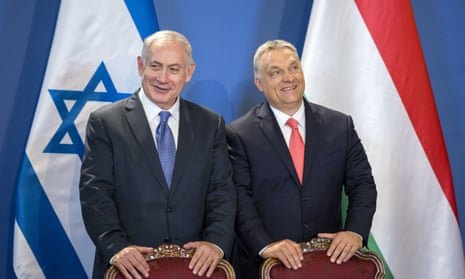
Under Prime Minister Viktor Orbán, Hungary has often challenged EU norms, and this decision is viewed by some as a bold diplomatic gesture, while others see it as a challenge to international law.
Hungary claims that the ICC's actions are inconsistent with its own legal framework, echoing the positions of Rome Statute non-signatories like the U.S. and Russia.
This situation prompts questions about the influence of international courts over sovereign countries.
While countries such as Spain state they would arrest Netanyahu, other EU nations remain undecided, highlighting a division that could affect EU unity.
This scenario brings to mind previous attempts at accountability, like the Nuremberg Trials, in the context of complex global geopolitics.
Netanyahu argues that the warrants are antisemitic, complicating his relationships with allies.
The controversy might lead to wider discussions on the role and reform of international legal systems and the challenges posed by perceived bias.
The unfolding situation takes place against a backdrop of geopolitical interests where nations must balance between international justice and diplomatic relations.