LONDON DAILY ARCHIVE
How AI is Assisting in Preventing Three Buses from Arriving at Once
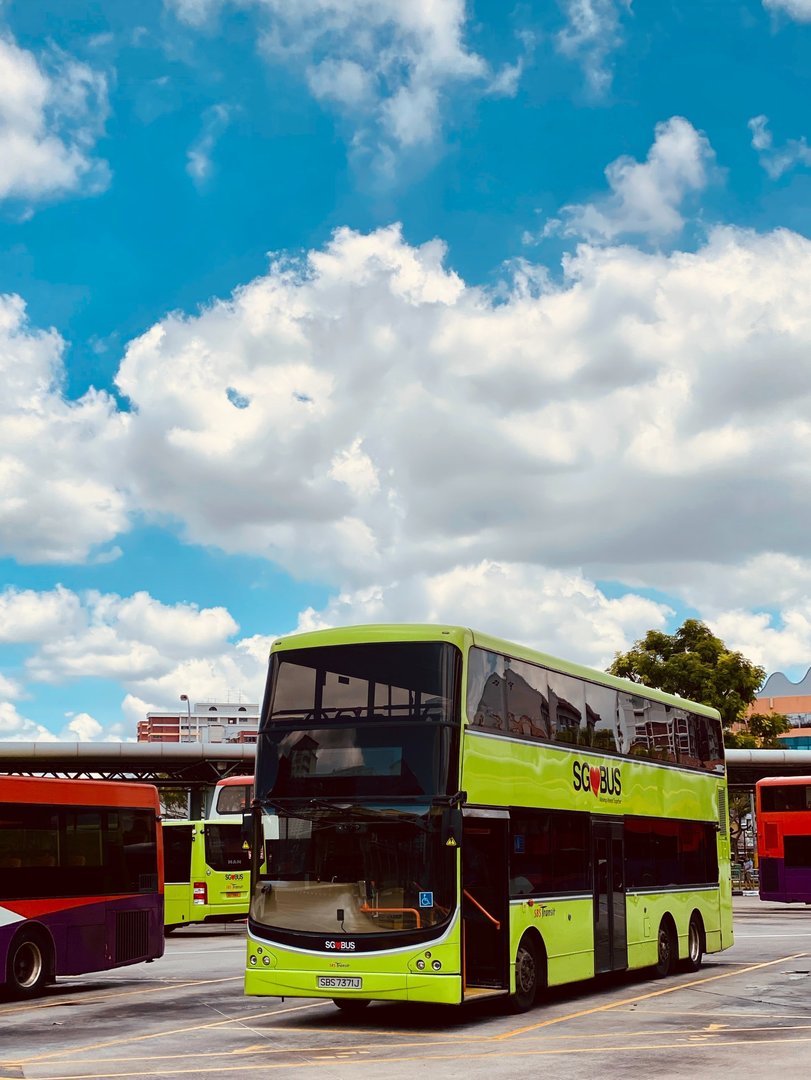
Waiting for a bus only to have several arrive simultaneously is a common urban frustration known as "bus bunching."
19 January 2024 · 06:16 UTC

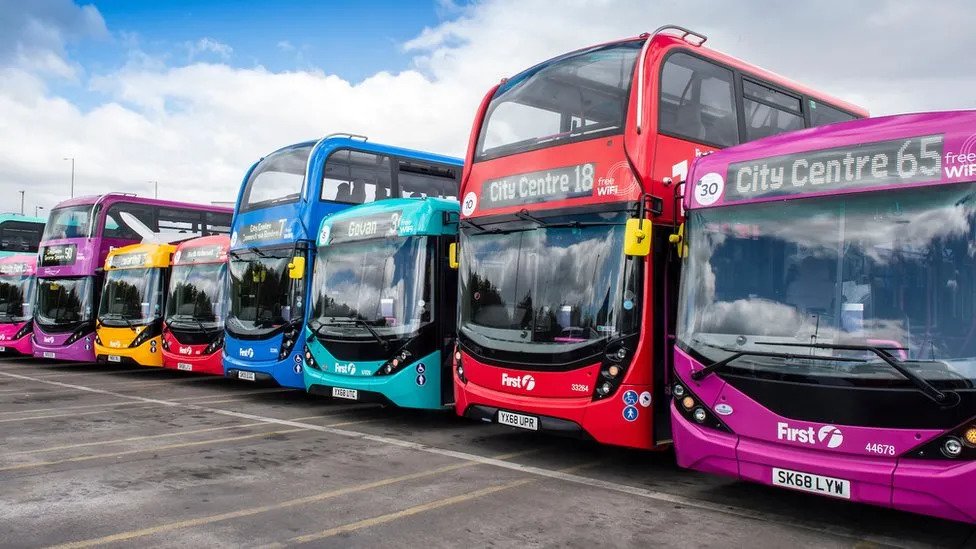

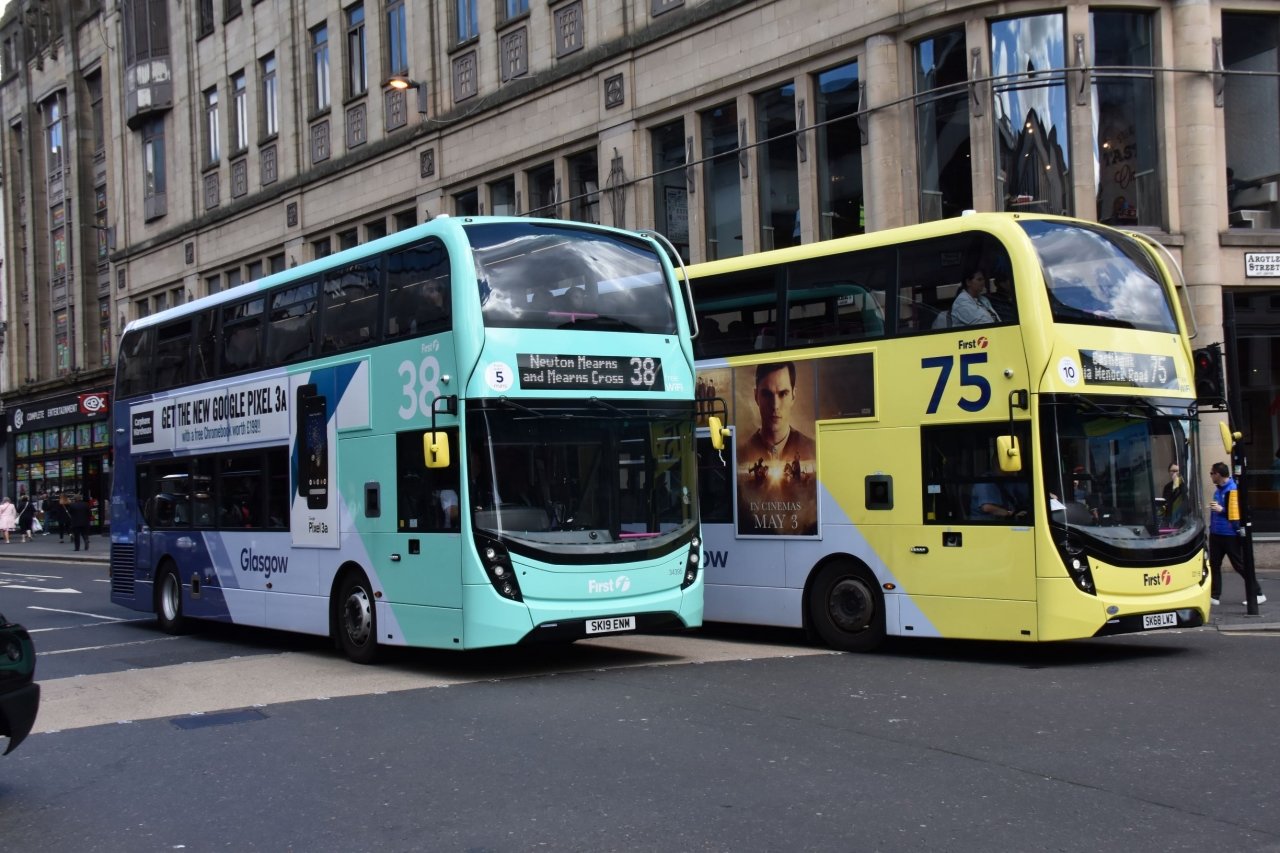
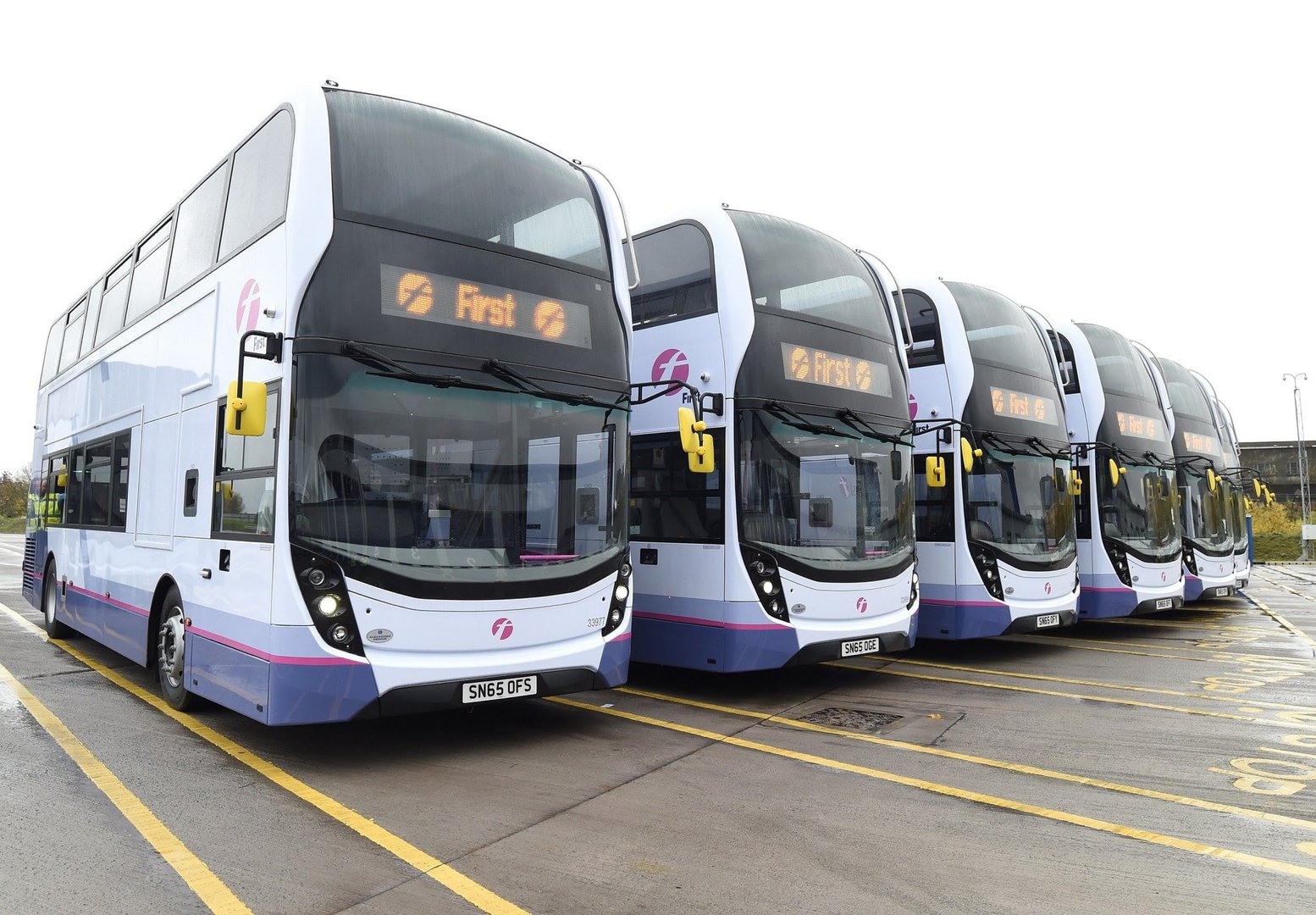
Previously, scheduling was a slow, manual process, with timetables changing just three times a year. Now, AI facilitates more frequent updates and can respond to congestion in real-time, improving bus distribution.
Trials in Bristol, Glasgow, and West Yorkshire since November 2022 have shown a 20% increase in on-time performance during peak hours.
Despite this, some passengers still find the service inconsistent. The new system also relieves driver stress and can save money for local governments subsidizing the services, Pearson asserts.
However, advocacy groups like Bus Users and Transport Focus stress the importance of clear communication to passengers regarding timetable changes and ensuring services meet community needs.
Prospective, a London tech firm, supplies First Bus's AI, which is trained using billions of data points from GPS and ticket sales.
The AI can simulate numerous scenarios per minute to find optimal solutions quickly. The software also considers electric buses' specific requirements, incorporating charging schedules into daily operations.
Prospective is also developing AI to design new routes, contributing to the growing global trend of using AI for more efficient public transport.
In Japan, Next Mobility uses AI for its on-demand KnowRoute minibus service. Using an app, phone, or webpage, passengers can book rides, while AI optimizes routes and coordinates vehicles.
The service operates in 30 Japanese locations, supported by Spare, a Canadian AI firm. Spare feeds the AI with local data, helping predict daily minibus needs and streamlining the service.
Eduardo Mascarenhas from the Urban Mobility initiative at the European Institute of Innovation and Technology (EIT) endorses AI's potential in enhancing public transport, leveraging local insights to craft better models and services. The future of urban transit planning with AI looks promising.