LONDON DAILY ARCHIVE
House of Lords Rejects Proposal to End Tax Relief for Private Schools
In a significant parliamentary decision, the House of Lords votes against a government plan to revoke tax benefits for charitable private schools.
19 March 2025 · 06:38 UTC
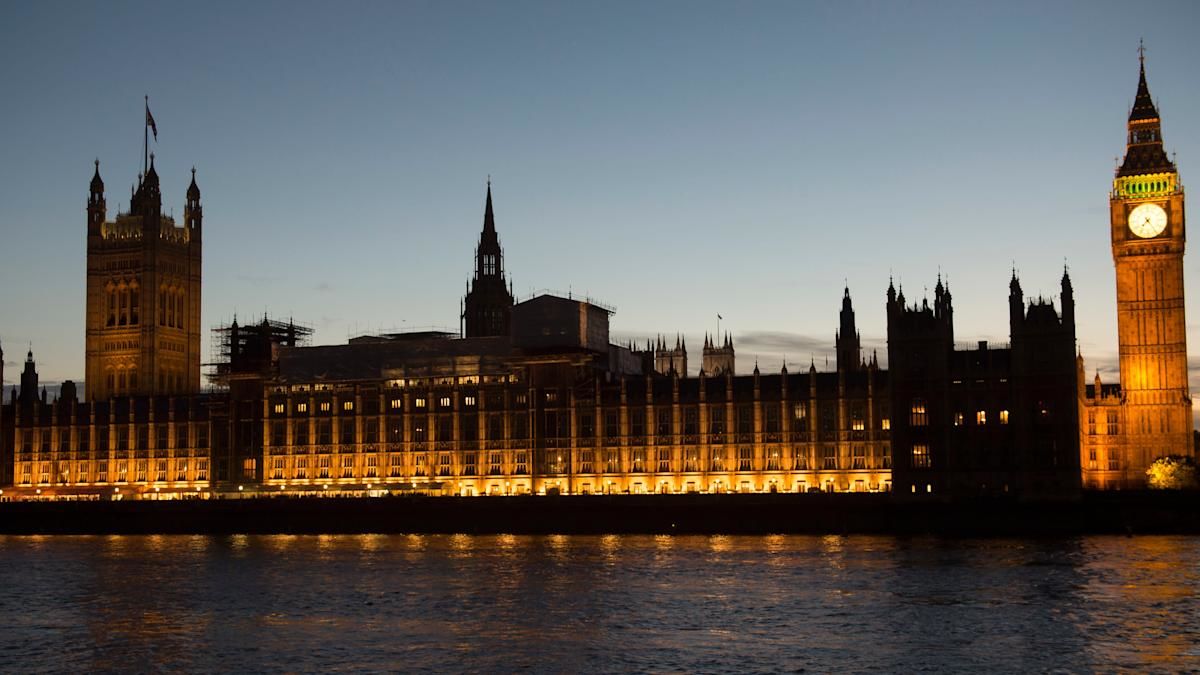
The amendment, supported by 232 votes to 141, with a majority of 91, was introduced as part of the Non-Domestic (Multipliers and Private Schools) Bill.
The government aims to eliminate charitable rate relief eligibility for approximately 1,040 private schools in England, accounting for about 40% of all independent schools.
The proposal has faced multiple challenges in the House of Lords, where peers have raised concerns regarding necessary adjustments to new business rate plans, including specific exemptions for hospitals.
In her remarks, shadow education minister Baroness Barran defended the notion that education should remain untaxed, accusing the government of introducing VAT on independent school fees and criticizing the current legislation.
She argued against any governmental overreach concerning charities, suggesting that the proposed changes would create a 'two-tiered system' that penalizes institutions deviating from the government's perspective.
Baroness Barran also highlighted the potential adverse effects of ending tax relief on vulnerable children, particularly those with special educational needs and disabilities (SEND), who are often educated within the independent sector.
The government's stance asserts that the change will not impact organizations primarily focused on providing full-time education for children with education, health, and care plans (EHCPs).
Critics note, however, that many students with SEND do not possess EHCPs and may be affected by the proposal.
Conservative peer Lord Shinkwin, who has a genetic condition and attended private schools, expressed concerns over the implications of the tax relief cuts on SEND students.
He argued that the governmental measures reflect an attitude in which these children's welfare is undervalued, stating, 'The sad fact is that, in the Government’s eyes, the damage to many of these children’s life chances seems to be a price worth paying.'
Additionally, Lord Shinkwin stated that changes could lead to closures of independent schools and increase pressure on the already strained state education system, which is struggling to meet demand.
Lord Black of Brentwood, deputy chairman of the Telegraph Media Group, characterized the government's position on independent schools as dismissive of substantive discussion, warning that the proposed policies would not yield significant improvements in the state education sector.
He emphasized potential repercussions for diverse community groups, including military families, gifted students benefiting from financial support, and local partnerships that typically engage with private schools.
In contrast, the government has justified the repeal of tax relief for private schools as essential for financing enhancements in state education, where the majority of children receive their schooling.
Communities minister Lord Khan of Burnley reiterated the administration's commitment to improving educational standards for all children, emphasizing the financial provisions needed to support these objectives.
The government anticipates that ending the charitable rate relief and VAT exemption for private schools could generate approximately £1.8 billion annually by the fiscal year 2029-30.
Moreover, Lord Khan assured that the proposed exemptions for private schools catering predominantly to children with EHCPs would protect the majority of special schools from the proposed tax changes.