

Homes face winter power cuts in worst-case scenario, says National Grid
The company said it was an "unlikely" scenario but added that supply interruptions were a possibility if the energy crisis escalated.
Cuts would probably occur at peak times and customers would be warned in advance.
But as a "base case" National Grid expects homes will face no problems.
Customers would be warned at least a day in advance about the power cuts, which would occur at times of high demand, possibly in the morning, or more likely between 4pm and 9pm.
They would be rotated so not all areas of the country were affected at the same time.
When campaigning to be leader of the Conservative Party in August, Prime Minister Liz Truss pledged that there would be no energy rationing this winter.
Asked on Thursday if she could guarantee there would be no blackouts, the Prime Minister said, "what we're clear about is that we do have a good supply of energy in the UK, we're in a much better position than many other countries, but of course there's always more we can do and that's why I'm here working with our partners making sure we do have a secure energy supply into the future".
The UK is heavily reliant on gas to produce electricity, with gas-fired power stations generating more than 40% of the country's electricity. It also imports electricity from Continental Europe.
National Grid - which keeps the lights on in England, Scotland and Wales - said Russia's invasion of Ukraine had created "unprecedented turmoil and volatility" in the energy markets.
Gas flows from Russia to Europe have been all but cut off, leaving countries scrambling for alternative supplies.
Although Britain is far less reliant on Russian gas than mainland Europe, it could still suffer knock-on effects from any shortfalls in supplies on the continent, National Grid said.
In a report, it laid out three possible scenarios for what might happen this winter.
Its central view remains that there will be enough energy to provide Britain with similar levels of electricity to previous winters.
But it has modelled two more worrying scenarios which could arise.
In the first, the energy crisis in Europe would result in Britain not being able to import electricity from France, Belgium or the Netherlands, although power would still flow from Norway.
Without taking action, National Grid warned this situation could lead to shortages.
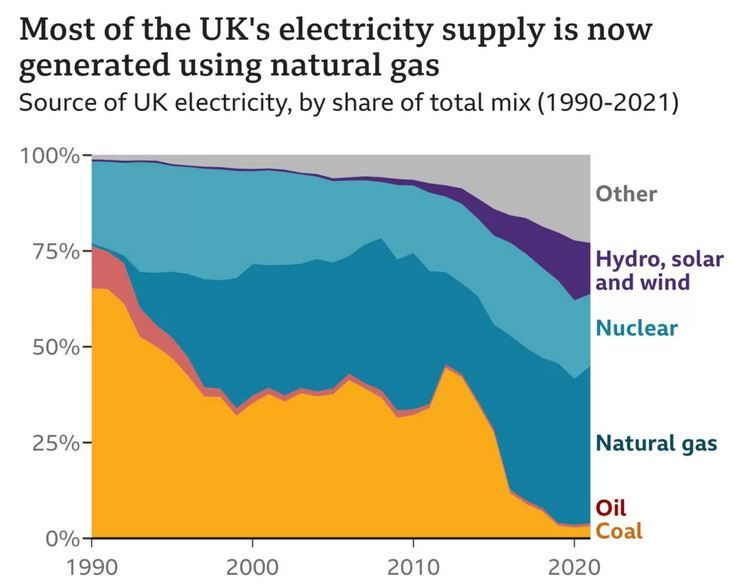 Source : Department for Business, Energy and Industrial Strategy
However, it said it had struck deals with three power companies - EDF, Drax and Uniper - to keep additional coal-fired power generators on standby in case they are needed.
It will also launch a scheme from 1 November which incentivises businesses and households to reduce their electricity use at key times:
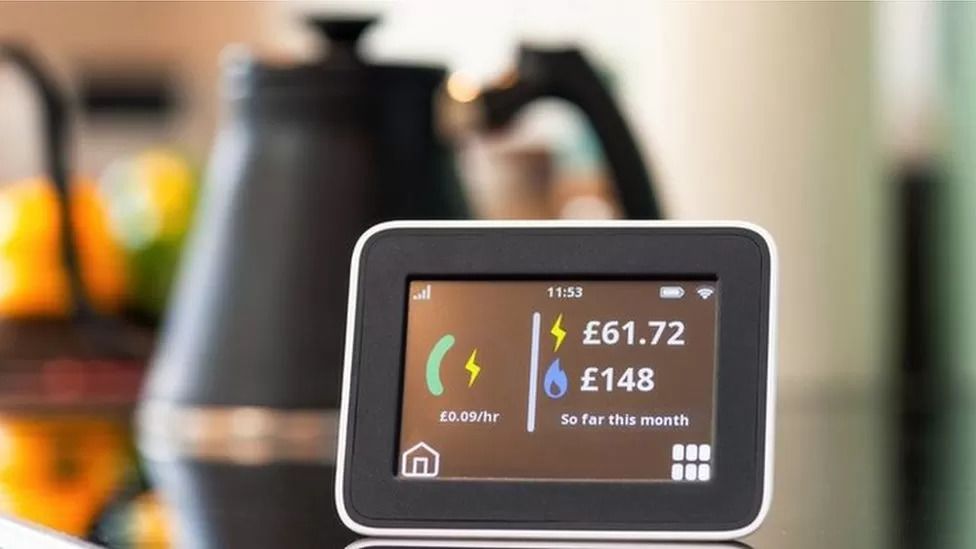
* Households with smart meters could be offered payments for cutting usage, such as by avoiding using their washing machine or oven. Households could be paid an estimated £10 per day.
* Larger businesses will be paid for reducing demand, for example by shifting their times of energy use or switching to batteries or generators in peak times.
Some suppliers have raised doubts about the scheme, but National Grid is encouraging them to work with customers to ensure the "highest levels of participation".
With these measures in place, it thinks that supply interruptions would be avoided. However, it said it had modelled a second, more extreme scenario, in which the energy crisis in Europe escalates, resulting in not enough gas being available in Britain.
In that event, distributors would be forced to cut off electricity to homes and firms for up to three hours during the day, it said. The measure, not used since the 1970s, would need the approval of the government and the King.
"In the unlikely event we were in this situation, it would mean that some customers could be without power for pre-defined periods during a day - generally this is assumed to be for three-hour blocks," said National Grid.
The number of people being cut off from electricity will depend on how many gas-power stations are forced to shut down because of a shortage of gas, it added.
Hospitals and "priority businesses" would be protected from the cuts. However, the Energy Networks Association said vulnerable individuals would not necessarily be protected from the cuts.
National Grid said the industry would work with government to inform the public about such measures including via Covid-style press conferences.
A separate report by the National Grid, looking specifically at gas supplies over the winter, also warned of a potential for a gas shortfall this winter in the event of a cold snap or a cold winter, which could be overcome by paying higher prices.
Most households saw their energy bills rise on 1 October, as the new energy price guarantee came into effect. However, the rise was less than had previously been expected after the government announced it would cap domestic bills to prevent widespread hardship.
Overall, the grid operator concluded that this is likely to be "a challenging winter".
Northern Ireland warning
The report from the National Grid relates to Great Britain. But there is also a warning that Northern Ireland could face electricity blackouts in 2024 and 2025 unless action is taken.
The grid operator, System Operator NI (SONI), says the issue centres on Kilroot power station and environmental permits which limit its operating hours.
SONI says it is working with the Department for the Economy and the regulator to address the issue.
Earlier this week, industry regulator Ofgem warned the UK is facing a "significant risk" of gas shortages this winter, which could impact electricity supplies.
It said there was a possibility the UK could enter a "gas supply emergency" because of Russia's war with Ukraine.
Commenting on National Grid's forecasts, Ofgem said: "We have one of the most reliable energy systems in the world and we are in a favourable position.
"However, it is incumbent on a responsible and prudent energy sector to ensure the right contingency measures are in place, which is why we are working with the government, National Grid and key partners to protect consumers, so that Great Britain is fully prepared for any challenges this winter."
A government spokesperson said it was "confident in our plans to protect households and businesses in the full range of scenarios this winter".
Industry group the CBI said although "there should be sufficient resources to meet demand, the increased risk of energy shortages is worrying for businesses, particularly energy intensive firms".
"Early forewarning of tight supplies is essential to help firms minimise disruption to supply chains," said Tom Thackray, CBI programme director for decarbonisation.
And charity Age UK said "contingency arrangements need to be planned for now to ensure vulnerable households can be confident of maintaining their electricity supply, come what may".
"We are thinking, for example, of older people with chronic health conditions who have to remain warm, or others who dependent on electricity to run essential equipment, including home dialysis machines," said Caroline Abrahams, charity director at Age UK.