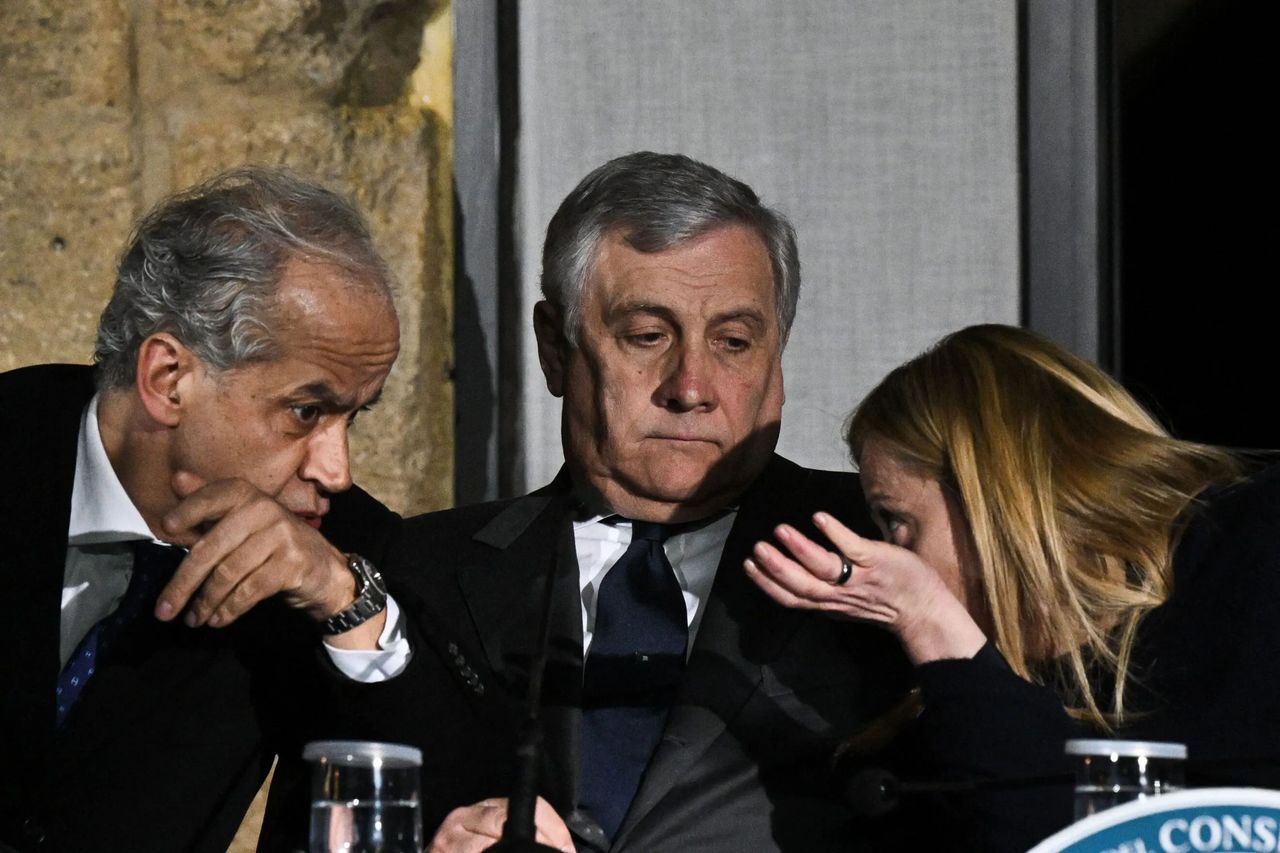
“I wasn’t sure this day would come,” remarked Maria Malmer Stenergard, Sweden’s Migration Minister, echoing the sentiment of many present at the tense meeting of home affairs ministers in Luxembourg. Sweden, currently holding the EU’s rotating presidency, was instrumental in bringing the negotiations to fruition. The deal was hailed as "historic" with 21 countries giving their endorsement.
A Turning Point in Asylum Procedures
Central to this reform is a commitment to ensure that certain asylum seekers are processed expeditiously at the border, and those with rejected applications can be returned more efficiently. Furthermore, it would empower countries to halt processing at the borders if they reach a predetermined threshold.
One of the most contentious aspects of the agreement involved the procedure for returning rejected asylum seekers. Italy, which receives a disproportionately high number of asylum seekers compared to other EU countries, fought for an expansion of the list of countries considered safe for denied applicants.
Italy’s Pivotal Role
Italy's approval was a linchpin for the deal. The Italian Prime Minister, Giorgia Meloni, who is known for her staunch stance on immigration, played a significant role in shaping the agreement.
“Politically it’s impossible to go ahead without Italy,” stated an EU diplomat who chose to remain anonymous. The diplomat further highlighted that Italy symbolizes the migration issue within the EU and that a migration pact excluding Italy would have been futile.
In the final hours of negotiation, a compromise was struck, providing EU member states more flexibility to return migrants to "safe" third countries. The agreement mandates a “connection” between the denied asylum seeker and the third country, such as having resided, settled, or having family members there. However, in a key concession to Italy, individual countries retain the autonomy to ascertain if a foreign country satisfies such criteria.
“It’s up to the member states to make a decision on whether that is enough for the connection criteria,” Malmer Stenergard elaborated in a press conference, emphasizing that this must still align with international law.
Financial Commitments and Dignity
The reform also requires member states to either accept a quota of asylum seekers or contribute to a new EU fund dedicated to financing various projects in non-EU countries, which could include nations like Tunisia.
Italian Interior Minister Matteo Piantedosi emphasized Italy’s stance, stating, “Italy did not accept compensations to become the detention place for migrants. It is a question of dignity for our history.”
Additionally, German Chancellor Olaf Scholz encouraged collaboration among EU countries to address the issue of migrants, indicating that a significant portion of migrants arriving in Germany had not been registered elsewhere, suggesting that cooperation rather than blame is essential.
Path to Implementation
This landmark agreement marks the beginning of challenging negotiations with the European Parliament and the European Commission. The aspiration is to finalize the entire package before the European elections in June of next year.
In what appears to be a nod to Italy's concerns, the European Commission announced that its President, Ursula von der Leyen, will visit Tunisia along with Meloni and Dutch Prime Minister Mark Rutte. Migration issues will be central to their discussions.
As Europe grapples with the complexities of migration, this agreement signifies a pivotal step towards forging a more unified and efficient approach to asylum procedures.
The continent awaits the outcomes of what could be a defining moment in its history.