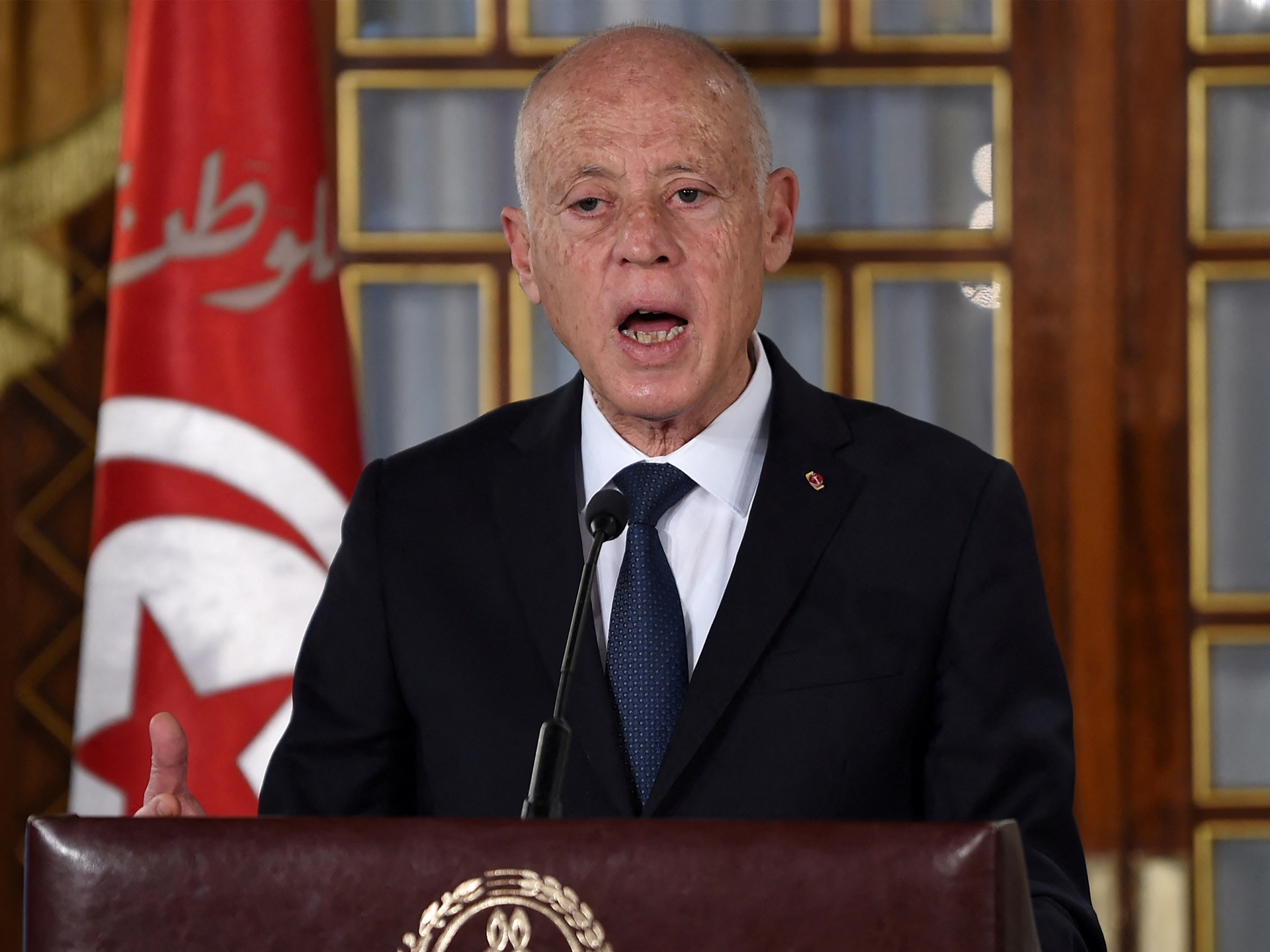
The International Commission of Jurists (ICJ), a prominent human rights organization, has delivered a stark critique of Tunisia's anti-fake news law. According to the ICJ, Decree 54, promulgated by President Kais Saied, ostensibly aims to prevent the dissemination of false information. However, critics suggest it provides a dangerously broad tool that can - and has been - used to stifle free speech, quash political opposition, and hide corruption exposures.
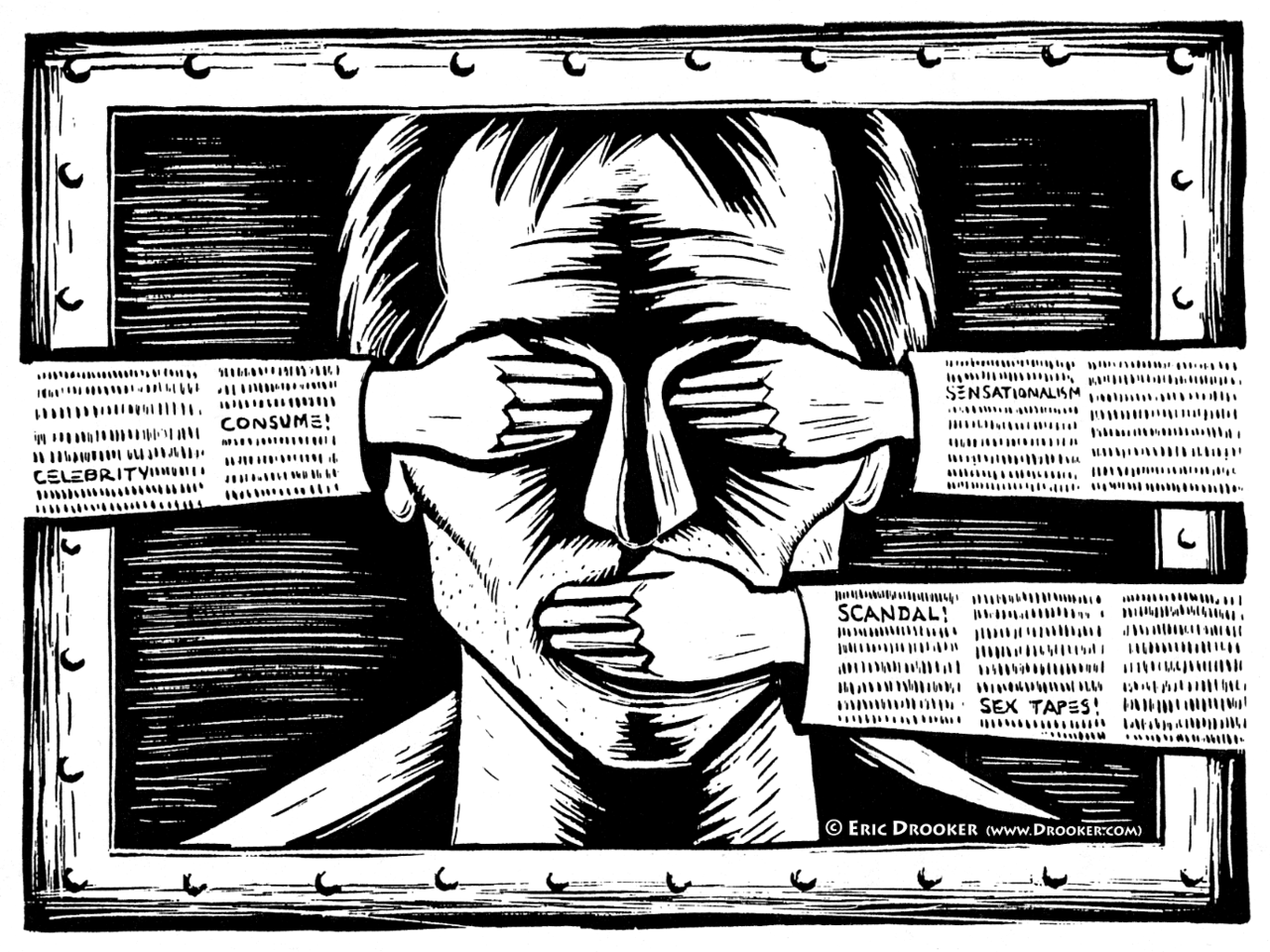
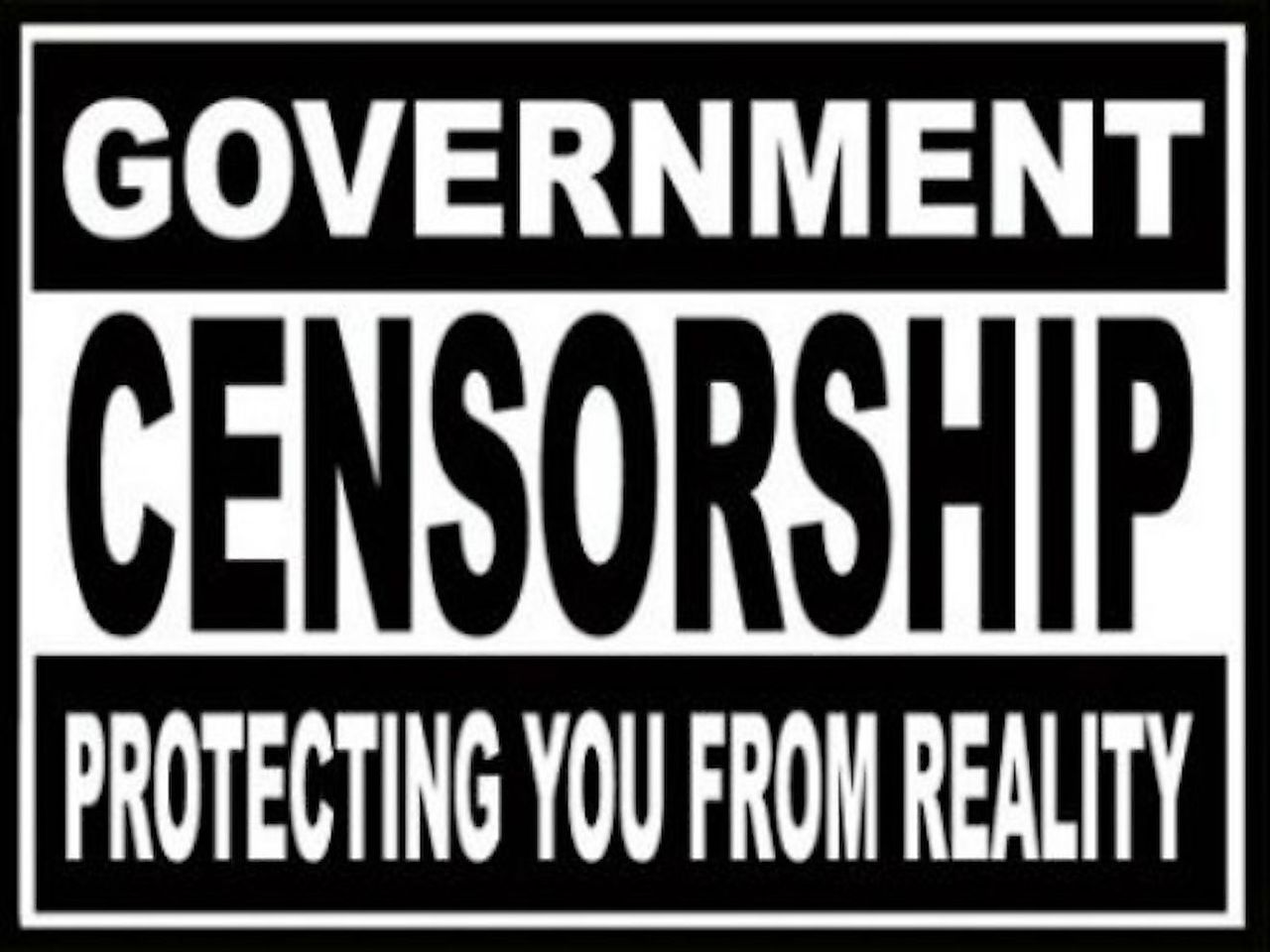
But Tunisia is not alone. This rising trend of leveraging legislation intended to counter fake news as a mechanism for censorship is becoming worryingly prevalent in many parts of the globe, including Western democracies traditionally seen as bastions of free speech. This worrying global trend raises pressing questions about the balance between countering disinformation and protecting fundamental democratic freedoms.
A key point of contention within Decree 54 and similar legislation globally is the lack of clear, precise definitions of "fake news" or "misinformation". This ambiguity provides governments an almost unrestricted latitude to suppress any form of dissent, criticism, or exposure of corrupt practices under the guise of combating fake news.
The problematic nature of such legislation is further highlighted by the punitive measures embedded within these laws. In the case of Tunisia's Decree 54, individuals found guilty of spreading false information online face up to five years imprisonment and fines reaching $15,000. This severity amplifies the chilling effect on free speech, with the potential for self-censorship out of fear of retribution.
Globally, the fight against fake news is undoubtedly critical in an age where information can spread rapidly across digital platforms, leading to societal discord, political instability, and even violence. However, it's crucial to recognize that the same legal weapons developed to combat this threat can be wielded to silence legitimate criticism, stifle political dissent, and shield corrupt officials from scrutiny.
ICJ legal adviser Fida Hammami has warned of the dangers of such practices: “The message sent through such legislation is clear: there will be no tolerance for criticism and that any expression of dissent will be severely punished,” adding that these are tactics reminiscent of authoritarian regimes, not democratic societies.
As this global trend continues to gain momentum, it highlights the need for international oversight and advocacy to ensure that the battle against fake news does not become a convenient smokescreen for censorship. Laws designed to combat disinformation must be carefully drafted to clearly differentiate between false information intended to mislead and legitimate critique intended to hold power to account. It is a delicate balance, but one that is crucial to maintaining the integrity of our global democratic fabric.
LONDON DAILY ARCHIVE
Global Trend: Using Anti-Fake News Laws as Censorship Tools - A Deep Dive into Tunisia's Scenario
Freedom of Speech at Crossroads: How 'Fake News' Fight is being Weaponized for Political Gains
19 July 2023 · 11:49 UTC