LONDON DAILY ARCHIVE
Global Repercussions of the U.S. Paris Agreement Withdrawal
A detailed look at the implications of the United States exiting the Paris Climate Agreement.
22 January 2025 · 07:58 UTC
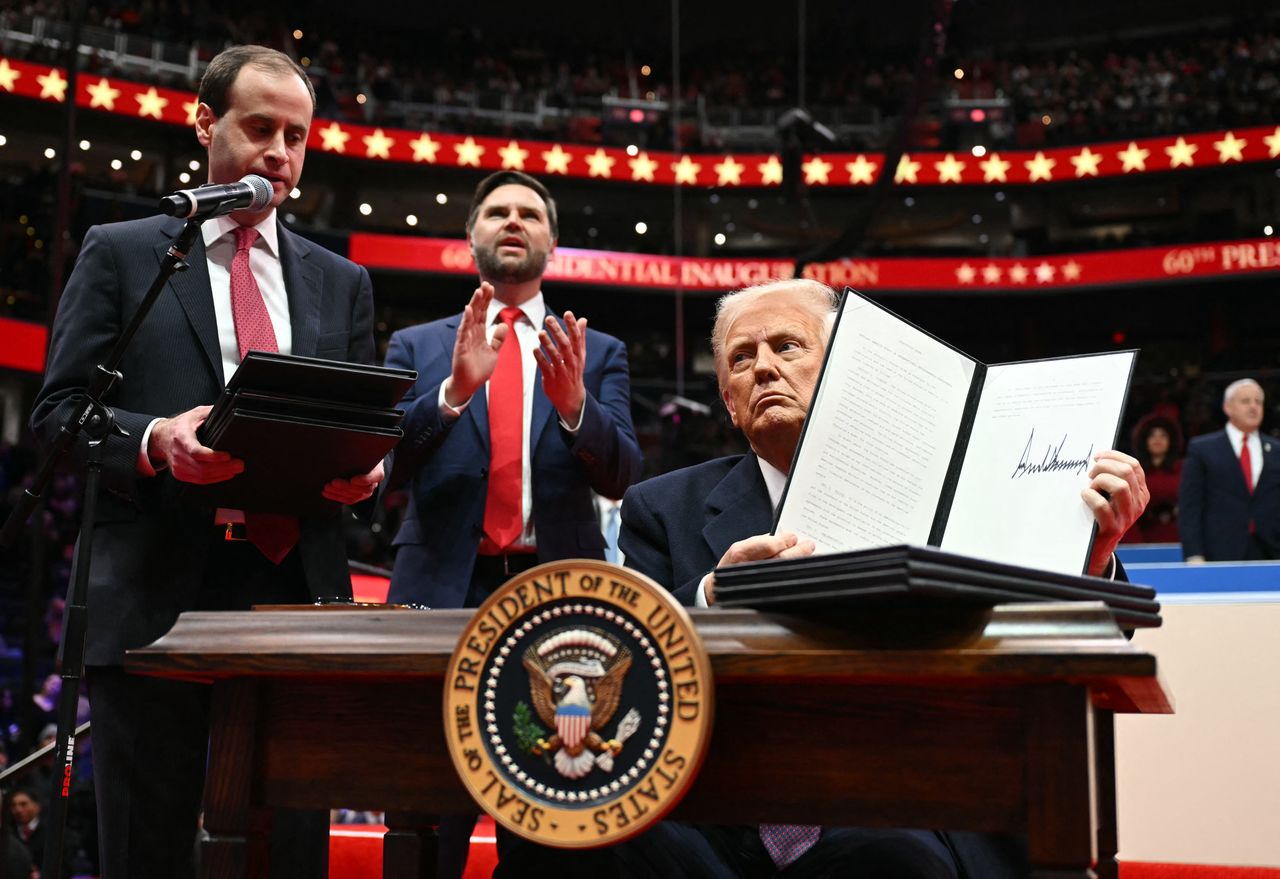
This move marked a pivotal shift in U.S. climate policy, sparking reactions both domestically and internationally.
The Paris Agreement, adopted by nearly 200 countries in 2015, aims to limit global warming to well below 2 degrees Celsius compared to pre-industrial levels.
President Trump justified the withdrawal by claiming that the agreement disadvantaged the U.S. economy.
The withdrawal has prompted a complex cascade of impacts.
Environmentally, it signals a potential increase in greenhouse gas emissions as the U.S. rolls back climate regulations.
Economically, it creates openings for other nations, such as China and members of the European Union, to assume leadership in green technology and sustainability.
Teresa Ribera, Spain's minister for the ecological transition, argued that the U.S. departure could bolster the competitiveness of America's global rivals in the green sector.
In terms of geopolitical dynamics, the shift influences Arctic policies.
Increased melting of the Arctic ice has led to new opportunities for resource extraction, which are being monitored closely by nations with Arctic interests, including the U.S. The absence of the U.S. in the Paris framework may also affect international cooperation on climate policies and the development of sustainable infrastructure.
Despite the federal government's stance, various U.S. states, cities, and businesses have reaffirmed their commitment to the pact's goals.
Initiatives like the 'We Are Still In' coalition have emerged, emphasizing continued efforts towards carbon neutrality and sustainable practices despite federal withdrawal.
As of October 2023, the global response to the U.S. exit underlines a period of reevaluation and adaptation in international climate diplomacy, highlighting ongoing challenges and opportunities in the collective quest to combat climate change.