LONDON DAILY ARCHIVE
Germany's Greens Challenge Merz's Spending Plans Amid Political Shift
Friedrich Merz faces scrutiny from the Green Party over proposed extensive government expenditures as Germany navigates a changing political landscape.
11 March 2025 · 05:46 UTC
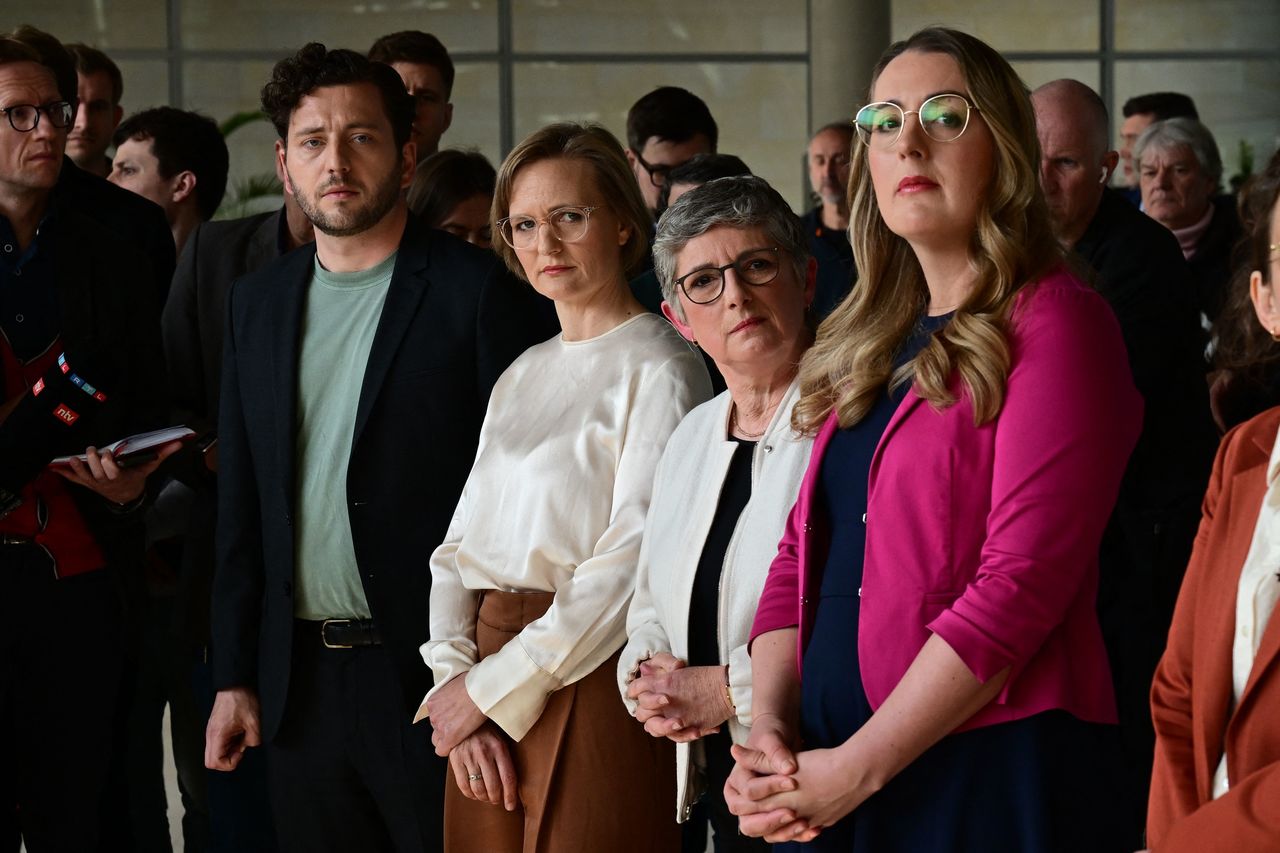
Following a recent election victory, Merz’s government has put forth plans that could reshape Germany's fiscal landscape, drawing vocal criticism from opposition parties.
The Greens have expressed concerns that the proposed budget allocations, which aim to enhance infrastructure and stimulate economic growth, could exacerbate existing environmental issues and undermine Germany’s climate targets.
In the broader political context, Germany is experiencing evolving relationships on the international stage, particularly in light of shifting alliances and the decreasing influence of the United States in European affairs.
This has prompted political leaders in Germany to rethink their strategies, as they operate in a climate where traditional alliances are being reassessed.
The Green Party's opposition underscores the tensions within the government regarding the balance between economic development and environmental responsibility.
Merz, having risen to leadership amidst a backdrop of internal party challenges, faces pressure not only from the Green opposition but also from within the ranks of his own party, as different factions advocate varying approaches to governance and policy focus.
The upcoming national election heightens the stakes, with parties recalibrating their platforms in response to voter sentiment and the presence of far-right elements in the political sphere, notably the Alternative for Germany (AfD), which has positioned itself to capitalize on any perceived missteps by the current ruling coalition.
The political discourse surrounding Merz’s administration is increasingly polarized, with proponents arguing for the necessity of comprehensive fiscal initiatives to invigorate the economy, while detractors caution against neglecting critical social and environmental commitments.
As the political landscape evolves, the implications of Merz’s spending strategies are likely to reverberate through upcoming legislative sessions and into the national election agenda.