LONDON DAILY ARCHIVE
G20 Summit: UK Foreign Secretary's Address on Ukraine Goes Unseen
David Lammy's anticipated speech fails to be broadcast, stirring discussions on diplomacy and international relations.
23 February 2025 · 08:26 UTC
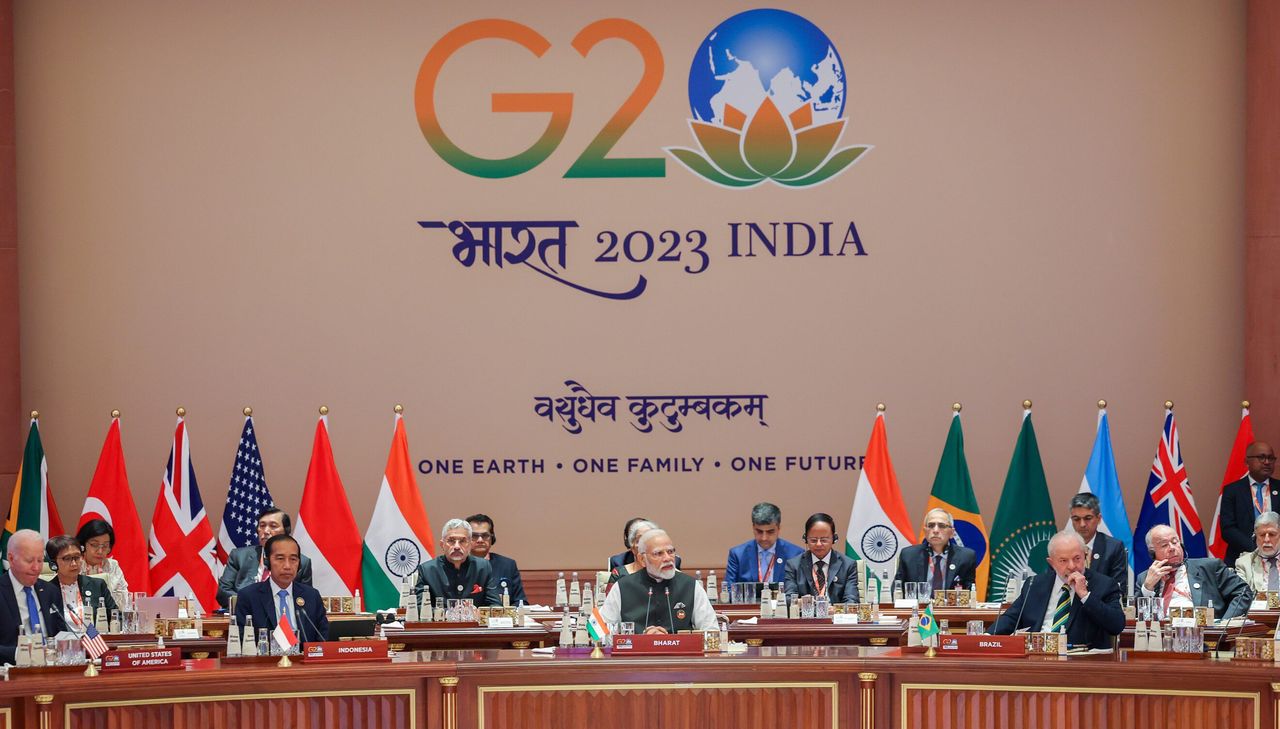
While the summit was expected to showcase strong international diplomacy, the world was instead met with an empty video feed.
An initial stream intended to present the foreign ministers' discussions inadvertently broadcast a recording of officials arriving at the venue, creating confusion among those awaiting Lammy's remarks.
An official later acknowledged that the power to the livestream was not activated, and as a result, there was no record of Lammy's much-anticipated speech.
The Foreign Office subsequently circulated a readout, confirming that Lammy had spoken vigorously about the conflict, particularly emphasizing Russia's role in the invasion of Ukraine.
He asserted that Russia had shown little regard for Ukraine’s sovereignty and noted the absence of any genuine overtures for peace.
According to the Foreign Office's account, Lammy's comments included strong denunciations of Russia's imperialistic rhetoric and a call for a more serious international dialogue that respects Ukraine's sovereignty.
His remarks were a direct response to Russian Foreign Minister Sergei Lavrov, who reportedly left the meeting early in protest of Lammy's criticisms.
While Lammy demonstrated clear resolve in his speech, discrepancies emerged in follow-up reports regarding the thoroughness of his address.
The transcript indicated that while Lammy was critical of Russia's actions, his comments on the wider geopolitical context – including the role of the United States in the situation – were less pronounced than expected.
Analysts noted the evolving dynamics of global alliances, suggesting a shift in the traditional roles of the US and Europe concerning Russian aggression.
Meanwhile, in the United States, political figures responded to the developments in Ukraine with varied perspectives.
At the Conservative Political Action Conference (CPAC) in Washington, Vice President JD Vance articulated support for former President Donald Trump, lauding him as an essential figure in negotiations related to the Ukraine conflict.
Vance's remarks included assertions that Trump possessed unique negotiation skills essential for achieving peace.
Despite the contrasting rhetoric, the absence of Lammy's speech raised questions regarding the effectiveness of diplomatic messages in a digital age.
The implications of such oversights are under scrutiny, particularly as global leaders navigate increasingly complex international relations influenced by public perception and media dissemination.
Additionally, emerging attitudes within the UK's political landscape have sparked discussion about the continuing impact of US leadership on Europe’s response to Russia, with some UK politicians expressing reticence in openly challenging Trump’s stances.
The tension surrounding the US’s position continues to shape the discourse among UK and US leadership on handling the Ukraine crisis, as some figures remain cautious of invoking more direct criticisms of Trump.
The G20 summit, taking place amidst heightened global instability, serves as a critical platform for discussing international cooperation and conflict resolution as nations confront shared challenges.