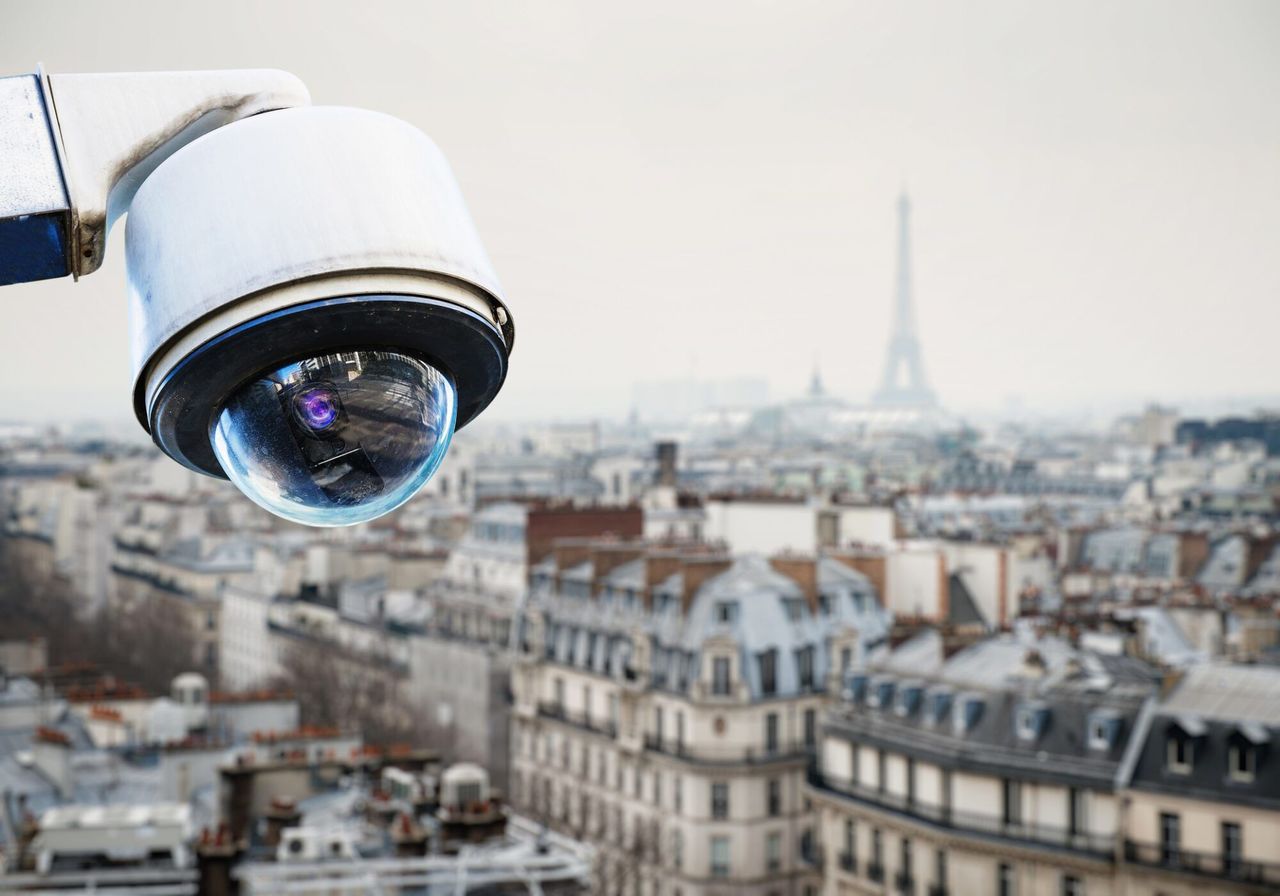
In a move that has stirred widespread concern, the French Senate has given its approval to a provision within a justice bill that would grant law enforcement authorities the ability to secretly activate cameras and microphones on suspects' devices. This surveillance tactic could be employed without notifying the device owner, while also granting easier access to geolocation data for tracking suspected criminals.
While officials maintain that this update to the "Keeper of the Seals" justice bill would only be used in cases of specific crimes such as delinquency, organized crime, and terrorism, critics argue that such measures remain disproportionate. Civil rights advocates and organizations, along with politicians, have expressed their apprehension regarding this development.
The Observatory of Digital Freedoms has criticized this move, denouncing it as a "security overkill" that potentially transforms any individual into a potential informant. La Quadrature du Net, a French advocacy group for digital rights and freedoms, has also voiced concerns about the infringement on privacy. The organization highlights the potential for investigators to remotely activate connected devices like televisions or baby monitors.
In a press release, La Quadrature du Net warned that if the provision is definitively adopted, it would dangerously expand police intrusion by turning all IT tools into potential spying devices.
Lawyers have also expressed their dissatisfaction with the development. The Paris Bar, representing nearly 30,000 lawyers, released a statement lamenting the lack of consultation with them by the government, which initiated the provision. The Paris Bar argues that the ability to remotely activate any electronic device constitutes a serious breach of privacy and cannot be justified by the need to maintain public order. They further highlight that the project fails to prohibit the listening of conversations between lawyers and their clients in the lawyer's office, a clear violation of professional secrecy and the rights of defense.
Critics are now urging French parliamentarians to reject these controversial provisions. The bill's update must still undergo approval in the National Assembly, the more influential lower house of the Parliament, providing an opportunity for lawmakers to reconsider these measures.
Justice Minister Eric Dupond-Moretti defends the provisions, asserting that adequate safeguards are in place, such as requiring judicial approval for each surveillance operation. However, concerns persist regarding the potential breach of privacy and civil liberties.
France has been increasing its surveillance powers since the terrorist attacks in 2015, drawing comparisons to the notorious US Patriot Act. While the activation of cameras and microphones on suspects' devices is not currently allowed, the French government already possesses the authority to monitor phone calls and emails of terrorism suspects without a warrant. The proposed measures signal a further expansion of surveillance capabilities, raising concerns about the balance between security and individual rights.
LONDON DAILY ARCHIVE
French Senate Approves Controversial Surveillance Measures: Cameras and Microphones Activated Secretly
Concerns Rise Over Potential Privacy Breaches and Threats to Civil Liberties
06 July 2023 · 14:28 UTC