LONDON DAILY ARCHIVE
Far-Right AfD Achieves Historic Results in German Federal Election
Christian Democratic Union secures election victory, as Alternative for Germany reaches unprecedented levels of support.
24 February 2025 · 06:26 UTC
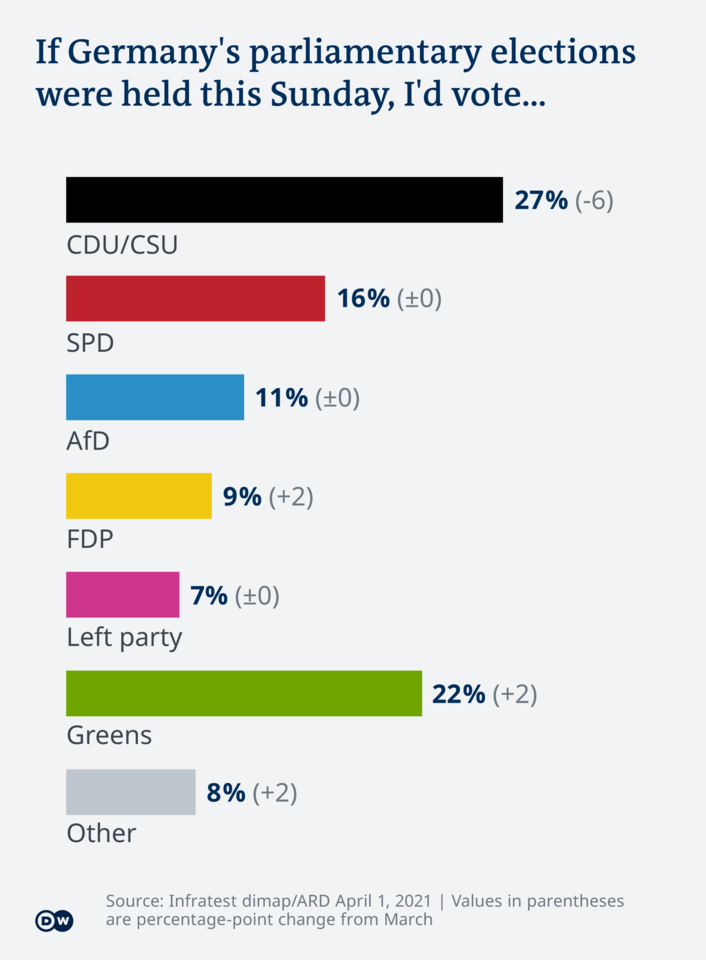
The CDU's electoral success has been interpreted as a restoration of faith among traditional conservative voters.
With a campaign focused on economic stability, security, and immigration control, the CDU's strategy appears to have resonated with a substantial portion of the electorate.
The Alternative for Germany (AfD), a far-right party, secured its best-ever result in a national election since its establishment in 2013, positioning it as a considerable force within the Bundestag.
This outcome represents growing support for the party in a political landscape that has been increasingly polarized.
The AfD's campaign emphasized national sovereignty and strict immigration policies, which struck a chord with voters concerned about the implications of migration and globalization.
Challenges persist for the Social Democratic Party (SPD), which fell short of expectations and is currently grappling with internal divisions and public dissatisfaction regarding its handling of key issues such as the economy and social welfare.
The SPD, historically one of the two dominant parties in German politics, faced significant backlash as voters sought alternatives amidst rising inflation and economic uncertainty.
Amid the election, disinformation campaigns surged, with reports of misleading videos linked to foreign actors circulating online.
German authorities issued warnings concerning the spread of false narratives claiming electoral fraud, particularly targeting the AfD.
These instances of misinformation raised concerns about the integrity of the electoral process and the influence of foreign interference on domestic politics.
Furthermore, geopolitical dynamics concerning the United States' military presence in Germany have come under scrutiny, particularly with discussions within the U.S. administration related to supporting free speech policies in Germany.
This has drawn attention to the broader issues of governance and civil liberties as they pertain to international relations.
The results of the election and their implications for future policymaking, especially in terms of immigration and economic strategy, will be closely monitored not only within Germany but across the European Union as well, particularly given the AfD's rising influence and the ongoing challenges faced by traditional political parties.