LONDON DAILY ARCHIVE
Families of British Victims Call for Final Return of Hostages Amid Ceasefire in Israel-Hamas Conflict
While cautiously optimistic about the ceasefire, families stress that true closure remains elusive until all hostages are safely returned.
16 January 2025 · 02:56 UTC
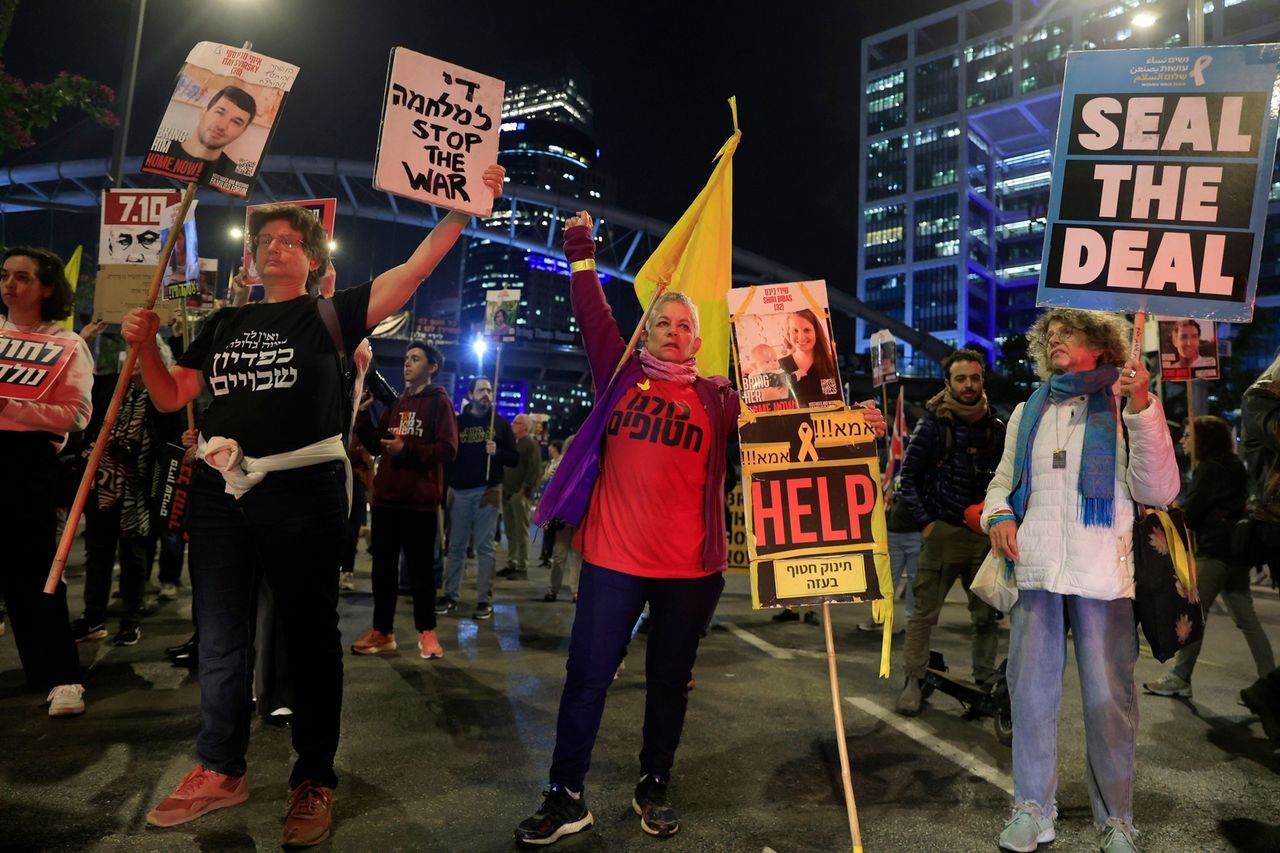
This sentiment captures the complex emotional landscape faced by those who have suffered personal losses amidst the broader geopolitical conflict.
Stephen Brisley, speaking on behalf of his family, reflects a wary optimism tempered by past disappointments.
His sister, Lianne Sharabi, and her daughters, Noiya and Yahel, were victims of the conflict.
The family's enduring anguish is exacerbated by the unresolved fate of his brother-in-law, Eli Sharabi, who remains unaccounted for.
Brisley articulates a deep concern not only for Eli's safety but also for the psychological toll that learning about his family's deaths might take upon him should he return.
"It's a bittersweet situation," Brisley explains, illustrating the fragile hope that sustains them.
Ayelet Svatitzky, another bereaved family member, carries a similar hope marred by grief.
Her brothers, Roi and Nadav Popplewell, were killed, and her mother, Channah Peri, had previously been held hostage.
Svatitzky remarks, "We've been praying for a deal to be signed," highlighting the intense emotional relief that each hostage release brings.
However, she emphasizes, "There will never be any closure for us until all the hostages are back." This reflects the broader sentiment among affected families, for whom the ceasefire, while critical, does not fully resolve their pain.
The path to this ceasefire has been fraught, complicated by protracted negotiations and earlier unfulfilled promises.
Brisley's skepticism is informed by a history of "so many false dawns," indicating how tentative the current optimism really is.
He acknowledges the inherent uncertainties still surrounding the deal—unspecified details about the timeline for hostages' release and the arrangements over an expected six-week period.
These personal stories of loss and uncertainty bring a human dimension to the geo-political discussions surrounding the decades-long conflict between Israel and Hamas.
The fragile cease-fire agreement represents a crucial, albeit tentative, step towards de-escalation.
Yet, for families like the Brisleys and Svatitzkys, this geopolitical progress must translate to real, personal closure achieved through the safe return of hostages.
With the world watching closely, this ongoing narrative continues to resonate on both a personal and international stage.
The families' stories are a poignant reminder of those caught in the human crossfire of larger political struggles, and their voices call for sustained attention until every hostage is home.