The United States, Asia, and Europe are among the areas affected by the heatwave, with temperatures reaching alarming highs.
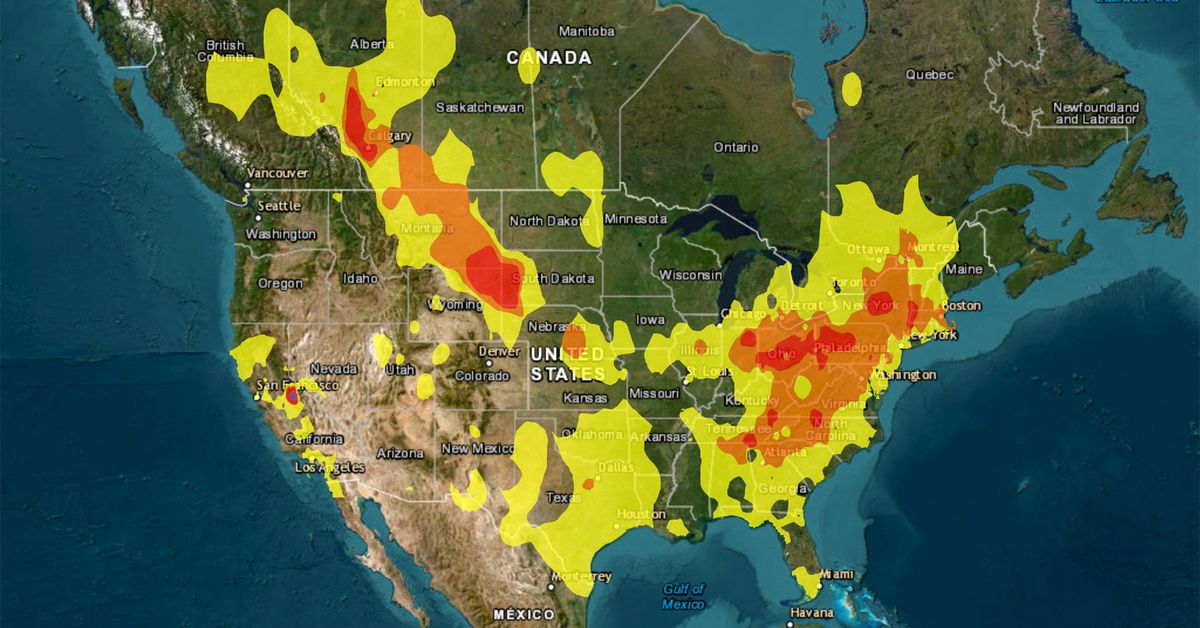
The United States experienced record-breaking heat in the West and South, flood-triggering rain in the Northeast, and wildfire smoke in the Midwest.
The heatwave in the US coincided with extreme temperatures in other parts of the Northern Hemisphere, including China, where a remote town recorded a national record temperature of 52.2C (126F).
Wildfires in Europe raged ahead of a second heat wave, putting pressure on authorities to respond to the extreme weather.
The Salvation Army has responded to the heatwave in Phoenix by opening 11 cooling centers and sending out a mobile unit to deliver relief to homeless people.
The organization's spokesperson emphasized that extreme heat is Arizona's natural disaster, and the Salvation Army is working to provide essential supplies to those in need.
However, the heatwave is not only affecting people in the US.
The European Union's Copernicus Climate Change Service says 2022 and 2021 were the continent's hottest summers on record.
In response to the extreme weather, the US and China have resumed talks on climate change.
US climate envoy John Kerry met Chinese counterpart Xie Zhenhua in Beijing, urging joint action to cut methane emissions and coal-fired power.
Kerry emphasized the urgency of the situation, highlighting that the target of keeping global warming within 1.5 degrees Celsius of pre-industrial levels is moving beyond reach.
The talks between the US and China are crucial in addressing the global crisis caused by climate change and reducing the impact of extreme weather events.
A deadly heatwave swept across Europe, prompting red alerts for high temperatures in several countries.
In Italy, the health ministry issued alerts for 20 cities, with the number expected to rise to 23 on Wednesday.
France's public health agency warned that the current heatwave could hospitalize or kill many people, as extreme heat has been a regular occurrence since 2015.
The World Meteorological Organization predicted that the extreme heat and rainfall would extend into August.
Meanwhile, a powerful typhoon was gaining strength and set to make landfall along China's southern coast, forcing the cancellation of flights and trains in the regions of Guangdong and Hainan.
In South Korea, torrential rains left 40 people dead as river levees collapsed, causing flash floods.
The region had experienced the heaviest recorded rain in the capital, Seoul, the previous year.
The heatwave and natural disasters highlight the urgent need for action on climate change, as many vulnerable people are at risk of dying due to the extreme weather events.
The World Health Organization's director-general, Tedros Adhanom Ghebreyesus, tweeted, "The #ClimateCrisis is not a warning.
It's happening.
I urge world leaders to ACT now."
LONDON DAILY ARCHIVE
Extreme Heatwaves Sweep Across the Globe: The Need for Urgent Climate Action
The world is reeling from extreme heatwaves as temperatures soar to dangerous levels in various regions.
17 July 2023 · 23:25 UTC