LONDON DAILY ARCHIVE
European Cosmetics Sector Requests Exemption from Trade War Duties
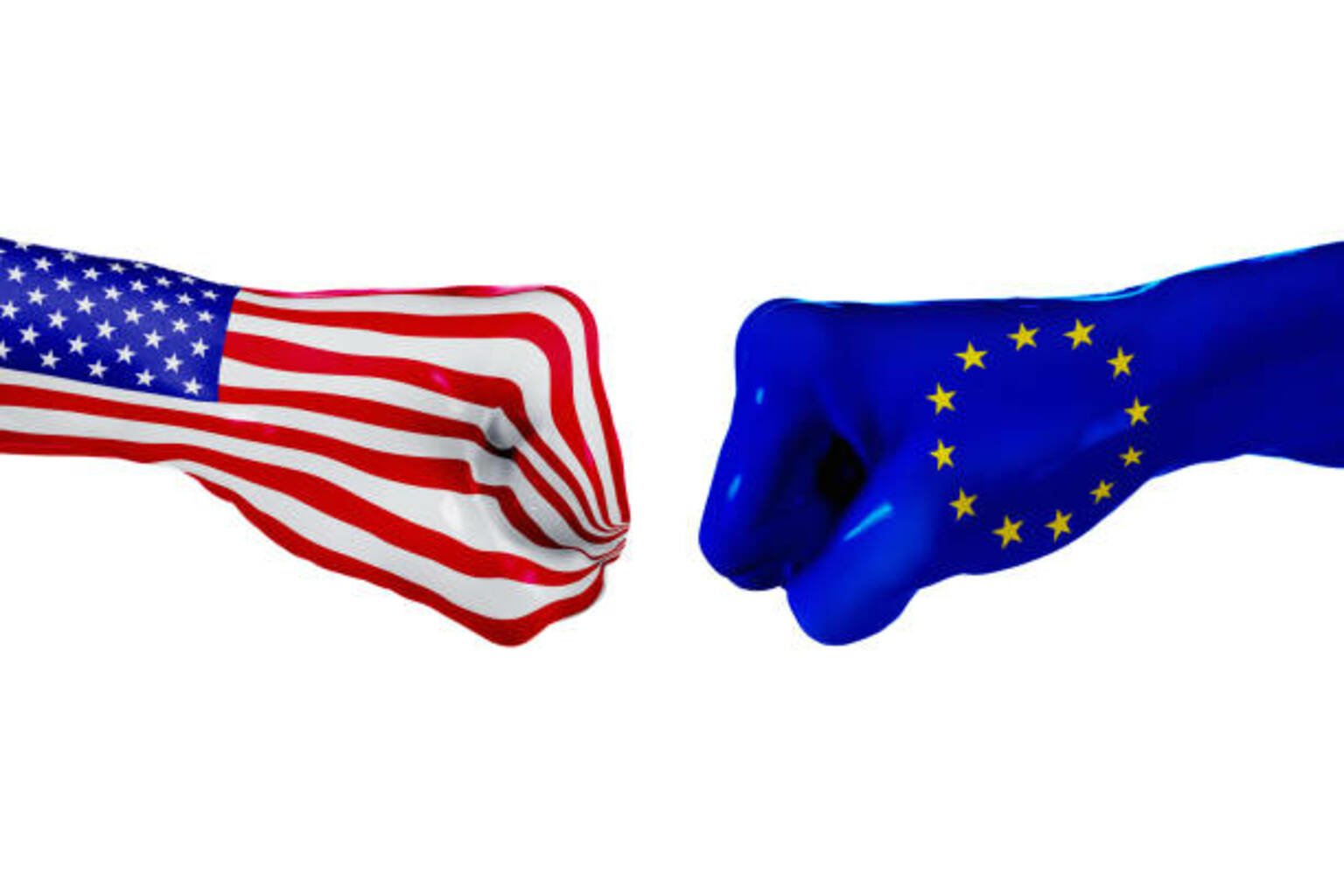
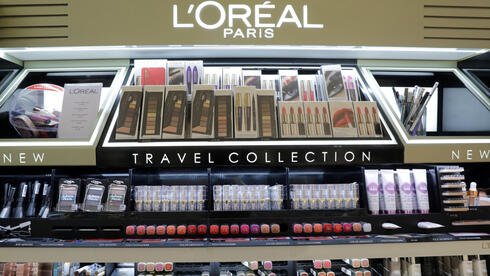
L'Oréal spearheads the industry's effort to remove beauty products from the EU's retaliation list amid rising trade tensions with the US.
26 March 2025 · 08:20 UTC
This request arises amidst increasing trade frictions impacting luxury and consumer goods sectors.
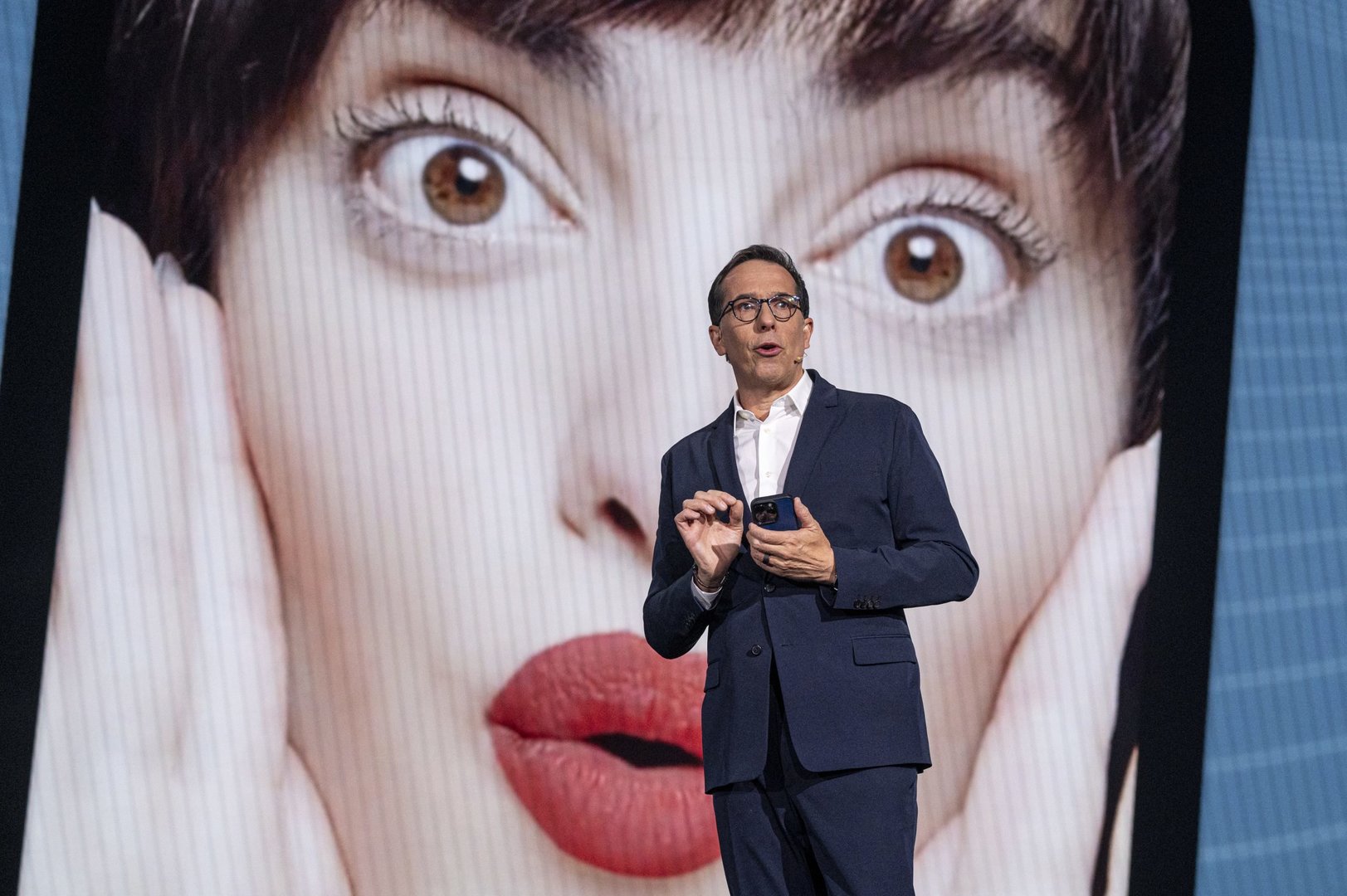
In March, L'Oréal’s CEO mentioned that the company stands ready to adjust if tariffs are enforced, highlighting its pricing power and beneficial currency trends tied to the robust US dollar.
He emphasized that while tariffs can be managed, they should not become a component of a tit-for-tat trade strategy.
Shortly after his remarks, L'Oréal formed an alliance of fifteen beauty companies to formally appeal to the European Commission to exclude the beauty sector from its preliminary list of American imports subject to tariffs.
The EU had drafted a ninety-nine-page document identifying potential tariff targets, originally scheduled to take effect on April 1. Nevertheless, the European Commission postponed implementation until April 13 to permit additional diplomatic discussions with the United States.
The French spirits industry, facing the prospect of US tariffs up to two hundred percent, also lobbied for the postponement.
France’s cosmetics industry association has objected to new tariffs, presenting trade statistics that reveal France imports roughly five hundred million euros in American cosmetics each year while exporting about two and a half billion euros in personal care goods to the US. The wider European cosmetics sector provides approximately two million jobs across the continent.
Even though L'Oréal produces about two-thirds of its products sold in the US domestically, sources within the company indicate that its fragrance and scented product divisions are particularly susceptible to tariffs.
A downturn in these categories could affect the company's financial performance, which is already strained due to declining consumer confidence in China.
China remains a crucial market for the global cosmetics industry.
With its expanding middle class, it is currently the world’s second-largest market for beauty products after the United States.
L'Oréal has reported a drop in sales in China over several quarters: a decline of six point five percent in Q3 2024, three point six percent in Q4, and a total decrease of around four percent for the full year.
China represents about seventeen percent of the company’s overall sales.
In contrast, sales in the US saw a modest growth of only one point four percent in 2024.
Over the last year, L'Oréal's share price has fallen by around nineteen percent after years of growth during the COVID-19 pandemic, which was partly fueled by a surge in demand for premium cosmetics.
Despite this recent decline, the stock has increased by forty-eight percent over the past five years.
In 2024, L'Oréal reported annual revenues of forty-three point four eight billion euros, marking a year-over-year increase of five point six percent.
Net profit reached six point four one billion euros.
In comparison, its American competitor Estée Lauder is currently valued at roughly twenty-four billion US dollars.
The New York-listed company has seen its share price plummet by about fifty-seven percent over the past five years, with a fifty-two percent drop in the last year alone.
L'Oréal’s performance has solidified its status as a significant investment for numerous prominent funds.
A notable supporter is Terry Smith, a prominent UK investor whose fund oversees thirty-six billion pounds in assets.
The cosmetics industry’s plea for exemption, similar to that of the spirits sector, has attracted public backlash.
Critics argue that exempting luxury items from the EU’s trade measures demonstrates a disjointed perspective, particularly in light of the ongoing economic strife instigated by the previous US administration.