LONDON DAILY ARCHIVE
EU Proposes Stricter Deportation Measures Amid Ongoing Migration Challenges
Brussels considers enhanced enforcement strategies and offshore return hubs to address low compliance rates in deportations.
01 March 2025 · 11:50 UTC
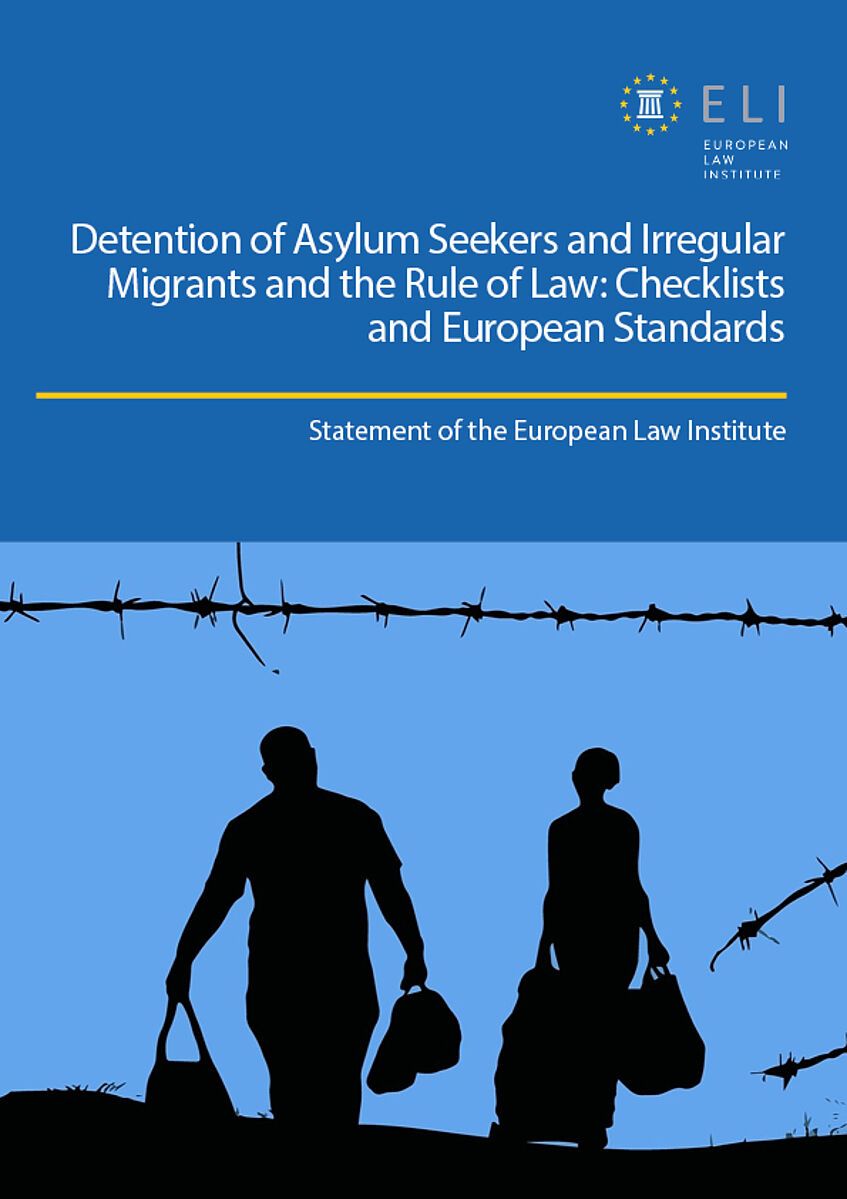
This initiative comes amid mounting pressure from EU member states to bolster enforcement coordination and reform asylum regulations.
In her second term, von der Leyen has prioritized migration enforcement, advocating for policies aimed at reinforcing EU borders and expediting the asylum process while improving the effectiveness of returns for those ordered to leave the EU.
Recent statistics from Frontex, the EU’s border agency, indicate a notable decline in irregular migration, with a 38 percent reduction in irregular arrivals, marking the lowest level since 2021. Despite this decrease, the efficiency of the return process remains a critical concern, as more than 480,000 third-country nationals were ordered to exit the EU in 2023, but only about 20 percent complied with these orders, according to Eurostat data.
Gerald Brunner, an Austrian national and former finance minister, has underscored the necessity for stricter regulations regarding the detention of individuals deemed security risks prior to deportation.
Brunner emphasized the importance of addressing this issue, stating, "Dangerous individuals slip through the cracks and commit crimes.
Rules for security risks must be significantly tougher — including detention to prevent them from disappearing before deportation."
In addition to stricter detention policies, the Commission is investigating the establishment of offshore 'return hubs' in third countries willing to accept deportees.
This proposal has drawn comparisons to the U.K.'s Rwanda asylum policy and Italy's agreement with Albania, although efforts to create such partnerships have encountered significant obstacles, including limited cooperation from the countries of origin, ongoing legal challenges, and concerns over potential human rights violations associated with these arrangements.
As the situation evolves, the European Commission continues to navigate the complexities surrounding migration policies while striving to balance enforcement with humanitarian considerations.