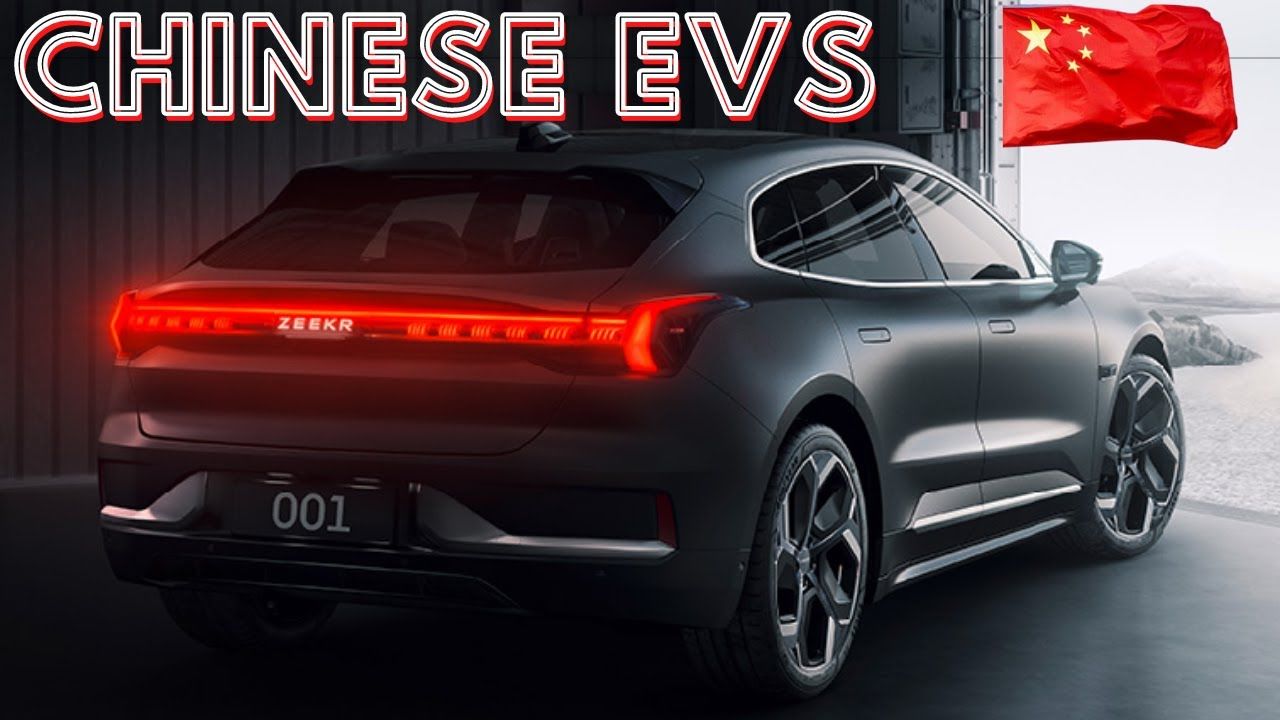
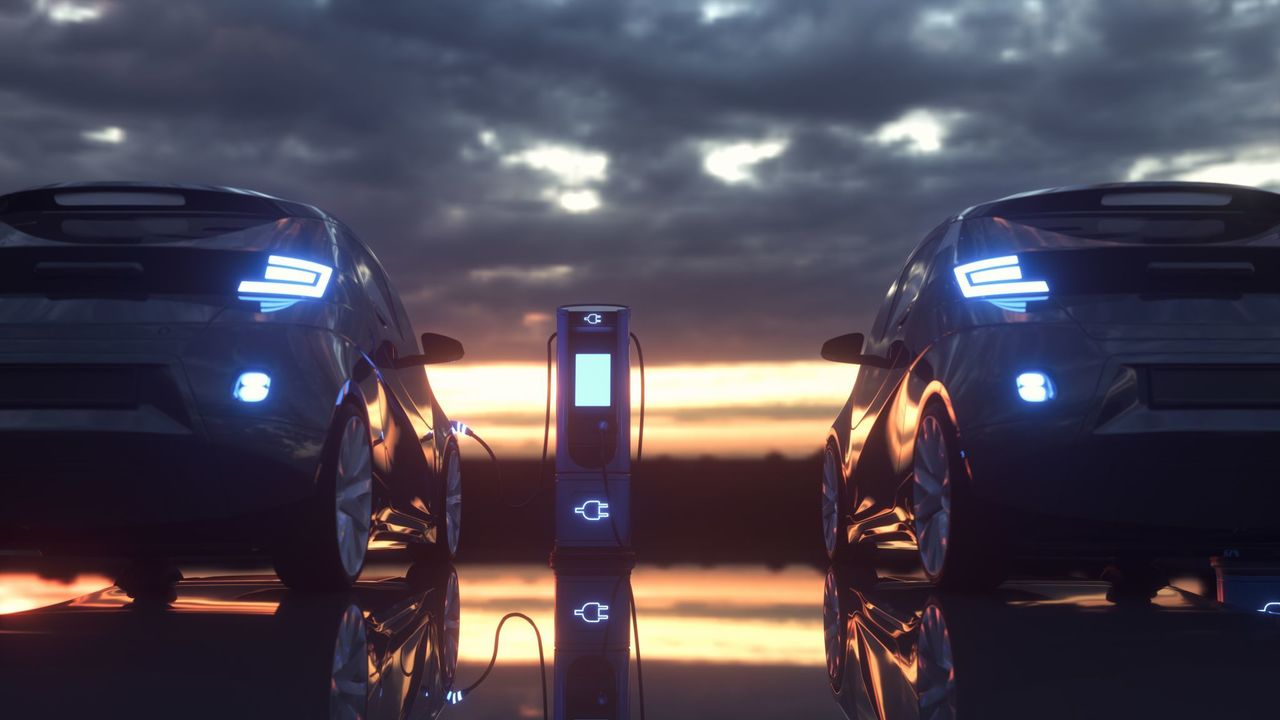
As the deadline for banning the sale of new petrol and diesel cars looms less than seven years away, the expected shift towards electric vehicles (EVs) has yet to materialize. Surprisingly, less than one in thirty vehicles on Britain's roads are currently battery-powered. This begs the question: Why aren't more people embracing green mobility?
With the government's ambitious plan to phase out traditional combustion engine cars by 2030, the transition to electric vehicles is crucial for reducing carbon emissions and combating climate change. However, the adoption rate of EVs has been slower than anticipated, leaving experts and policymakers pondering the reasons behind this hesitance.
Several factors contribute to the slow uptake of electric vehicles. One primary concern among consumers is range anxiety. Many potential EV buyers worry about the limited driving range of electric cars compared to their petrol or diesel counterparts. Although EV technology has improved significantly, enabling longer distances on a single charge, some individuals remain uncertain about the reliability of electric vehicles for long journeys or in areas with limited charging infrastructure.
Another significant hurdle is the upfront cost of electric vehicles. While the prices of EVs have gradually declined over the years, they still tend to have a higher initial price tag than traditional combustion engine cars. This financial barrier, combined with concerns about battery longevity and replacement costs, dissuades some consumers from making the switch to electric.
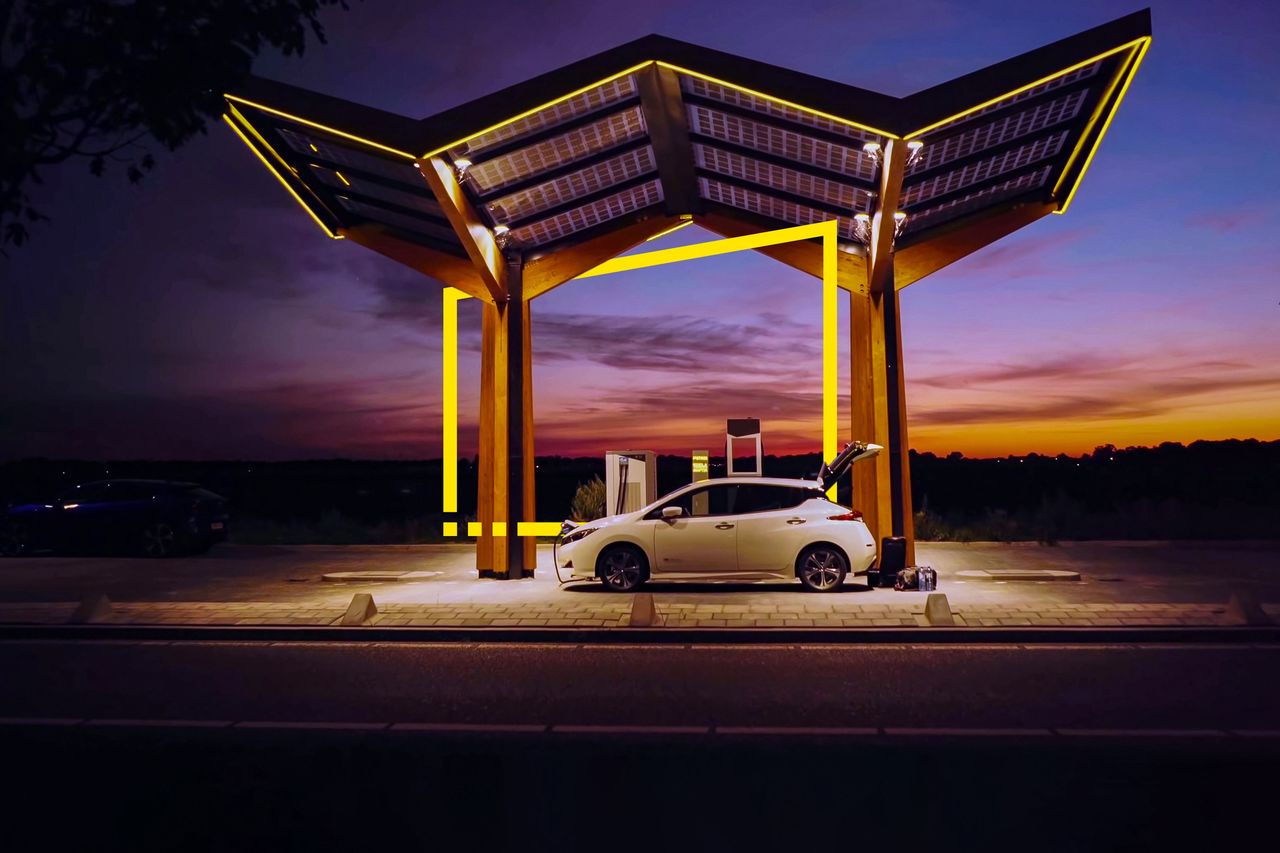
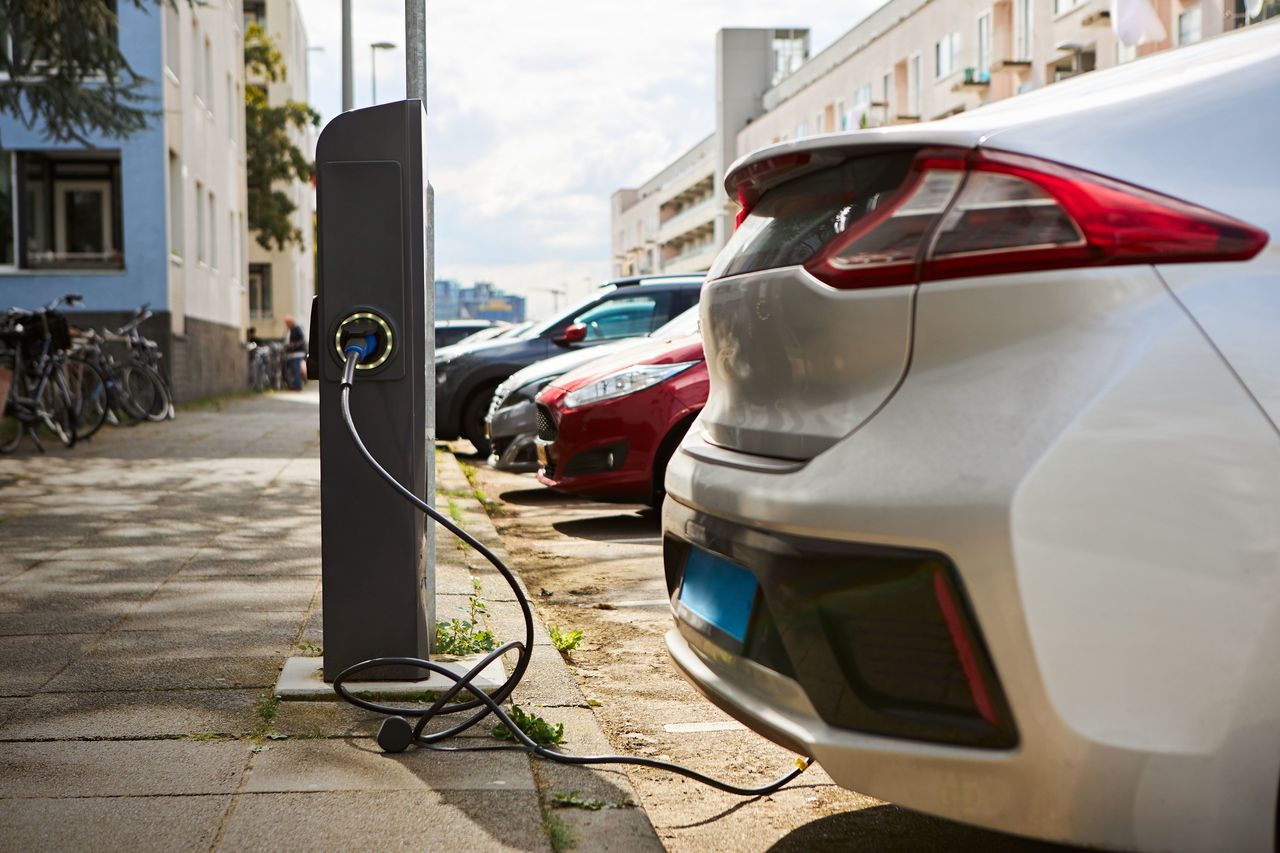
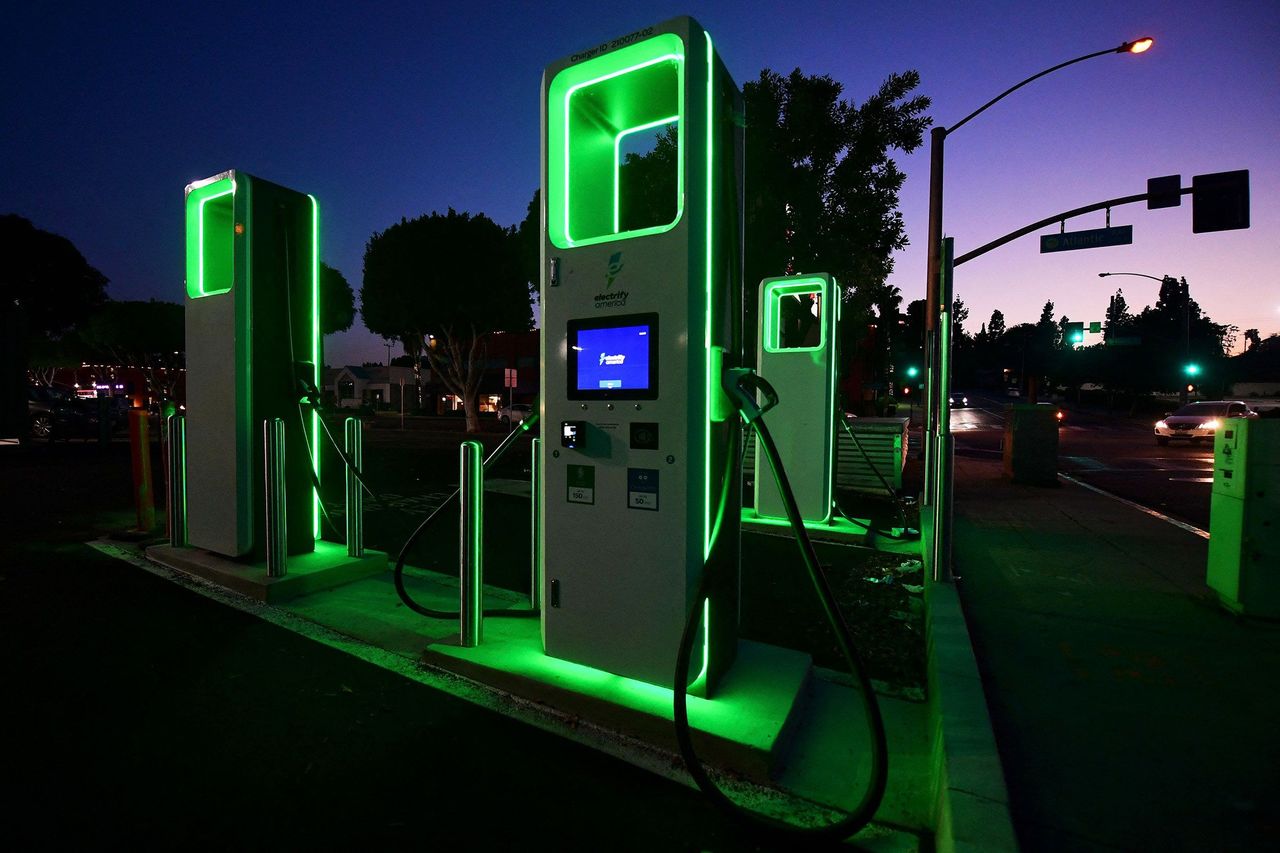
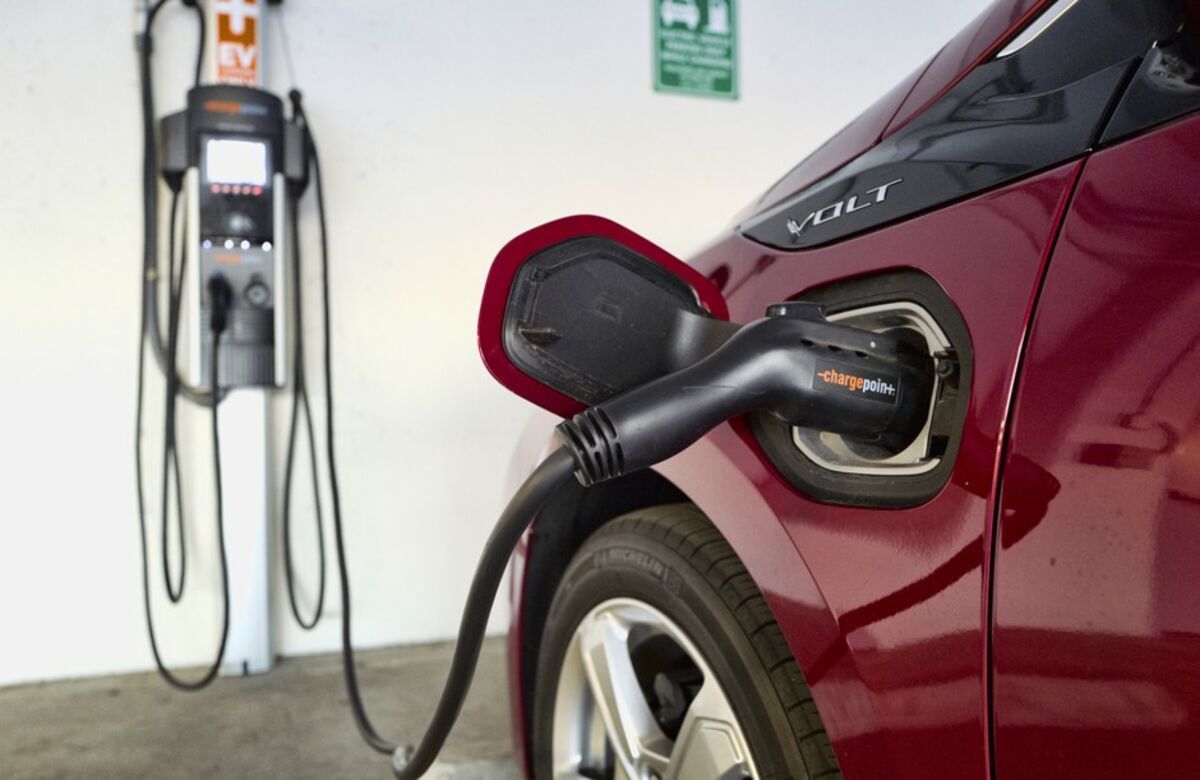
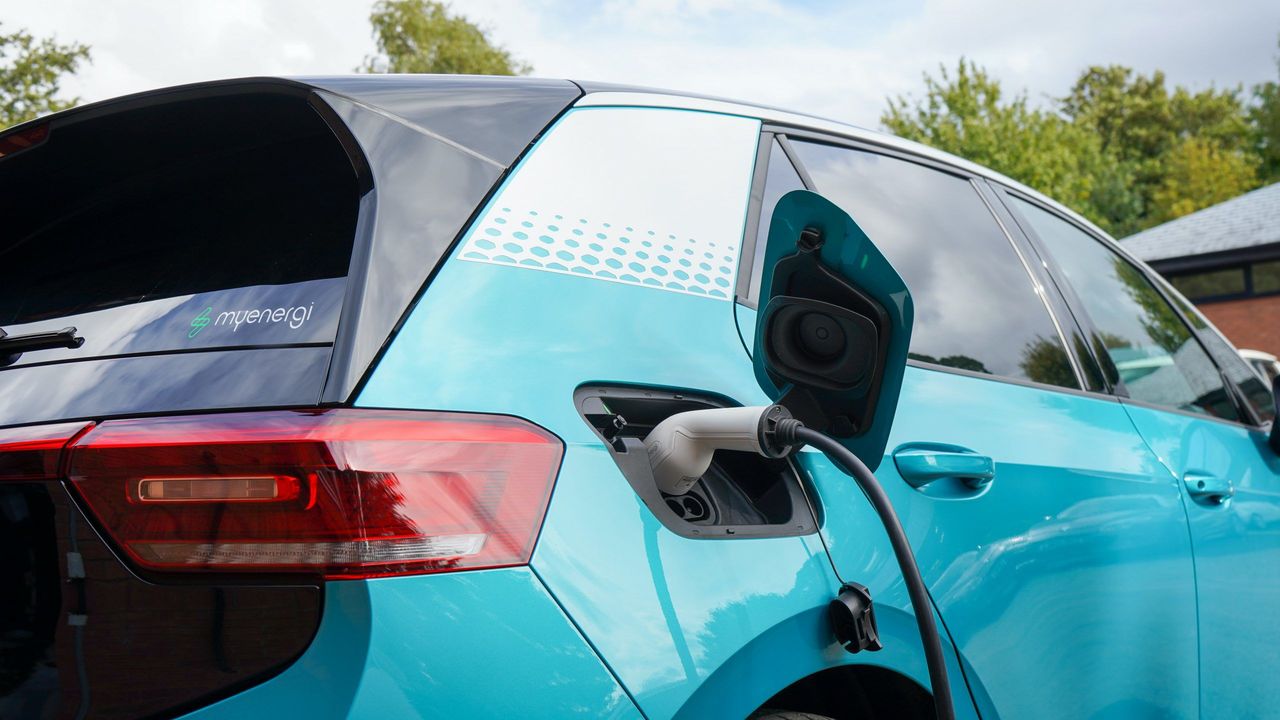
Furthermore, the availability and accessibility of charging infrastructure pose challenges to wider EV adoption. While efforts have been made to expand the charging network, particularly in urban areas and along major highways, concerns persist about the convenience and reliability of charging stations. Limited access to charging points, especially for those without dedicated off-street parking, can hinder the practicality and convenience of owning an electric vehicle.
Education and awareness also play a crucial role in encouraging the transition to electric vehicles. Many potential buyers still have misconceptions about EVs, such as concerns about charging times and the environmental impact of manufacturing batteries. Promoting accurate information about the benefits and capabilities of electric vehicles, as well as dispelling common myths, is essential to address these misconceptions and build confidence in electric mobility.
To accelerate the shift towards electric vehicles, a multi-faceted approach is necessary. The government, in collaboration with car manufacturers, needs to provide incentives and financial support to make EVs more affordable for a wider range of consumers. This could include grants, tax breaks, and investment in charging infrastructure to alleviate concerns about range anxiety.
Increased collaboration between the public and private sectors is also vital in expanding the charging network and ensuring widespread accessibility. Efforts should be made to install charging points in residential areas, workplaces, and public spaces to make EV ownership more feasible for those without access to private charging facilities.
In addition, continuous advancements in battery technology and charging infrastructure are crucial for addressing consumer concerns and improving the overall EV ownership experience. Investing in research and development will enable the production of more efficient batteries with longer ranges and faster charging capabilities.
The transition to electric vehicles is not solely the responsibility of individuals. Governments, manufacturers, and infrastructure providers must work together to create an enabling environment that encourages and supports the widespread adoption of electric mobility. With the right measures in place, the vision of a greener future with a majority of electric vehicles on our roads can become a reality.
LONDON DAILY ARCHIVE
EU and UK's Slow Electric Vehicle Adoption Raises Questions About the Transition to Green Mobility
With the sale of new petrol and diesel cars to be banned in less than seven years, we’re all supposed to be going electric. But so far fewer than one in thirty vehicles on Britain’s roads are battery-powered. So why aren’t more of us going green?
01 July 2023 · 23:06 UTC