Electric Vehicles: From Niche Luxury to Mainstream Choice
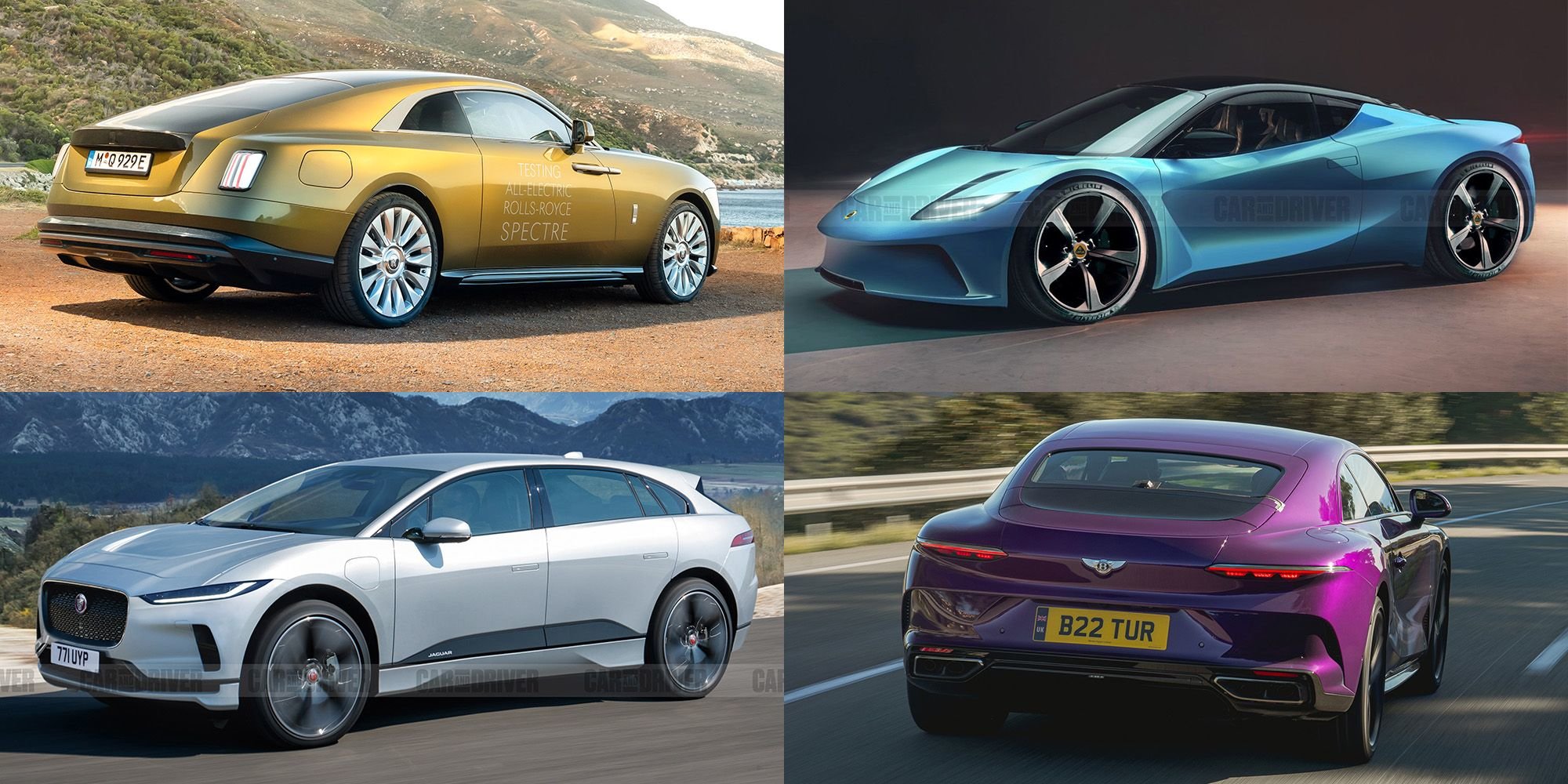
Electric vehicles (EVs), once luxury commodities, are now becoming accessible to everyday drivers.
The declining costs and wider adoption have stripped EVs of their exclusive status symbol image.
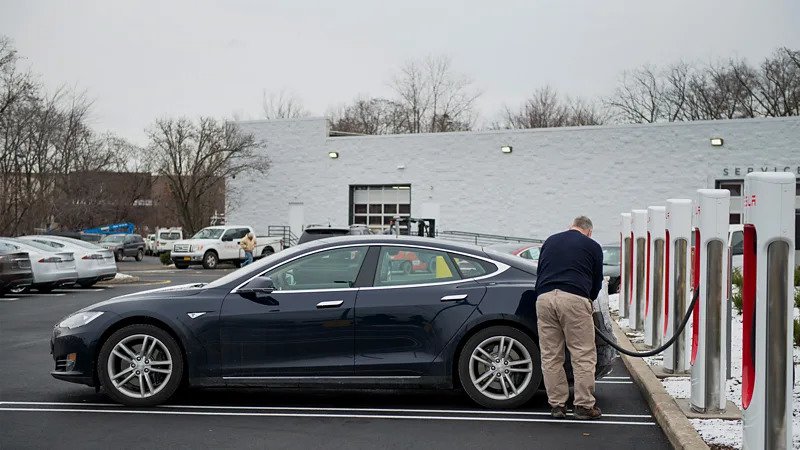
Originally marketed towards affluent consumers, Tesla's 2008 Roadster, with its impressive speed and high price tag, was the epitome of electric luxury. However, with technological advancements and the introduction of more affordable models like Tesla's Model S and the Nissan Leaf, EVs started reaching a broader market.
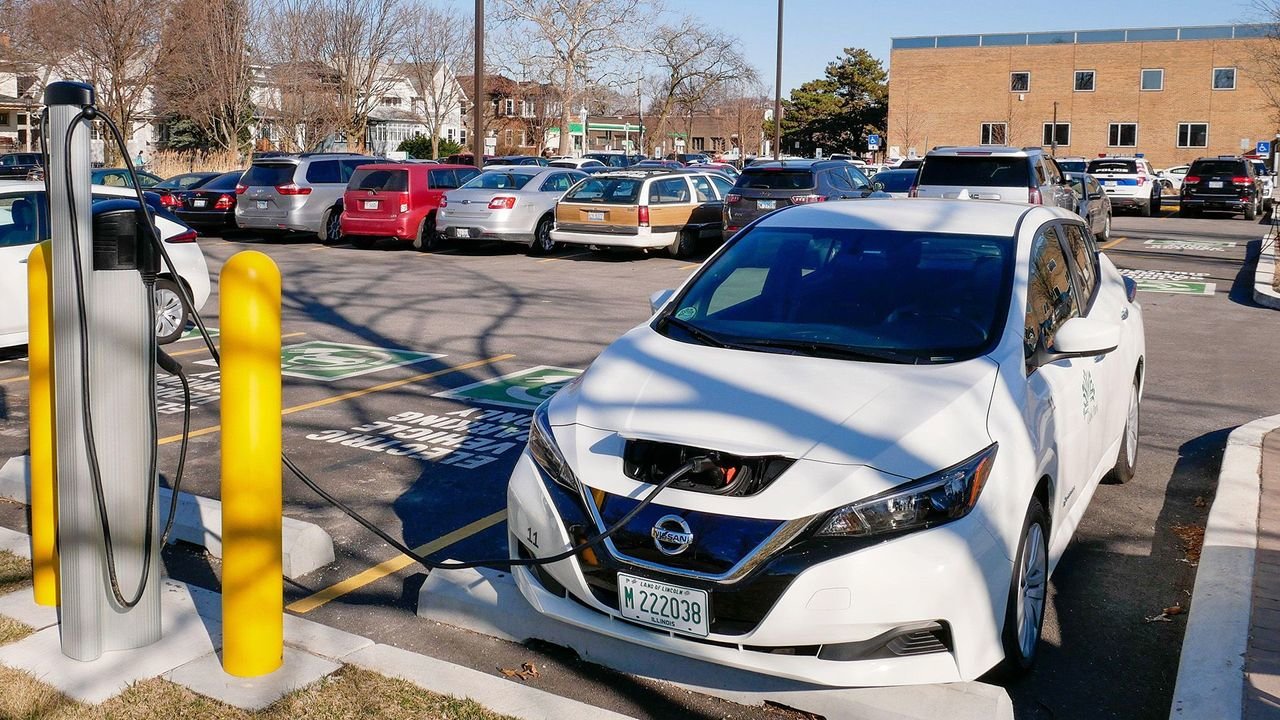
The Leaf, debuting in 2010, signaled a shift towards environmentally friendly and affordable family cars, albeit still at a premium. Yet, as EV technology costs continued to drop, automakers began offering more competitively priced electric options.
Despite the presence of high-end EVs from Tesla and others like the pricey GMC Hummer, the current trend is favoring practicality over luxury. Reductions in battery costs and government incentives, like tax rebates in the US and Canada's proposed phase-out of gasoline cars, are encouraging the shift.
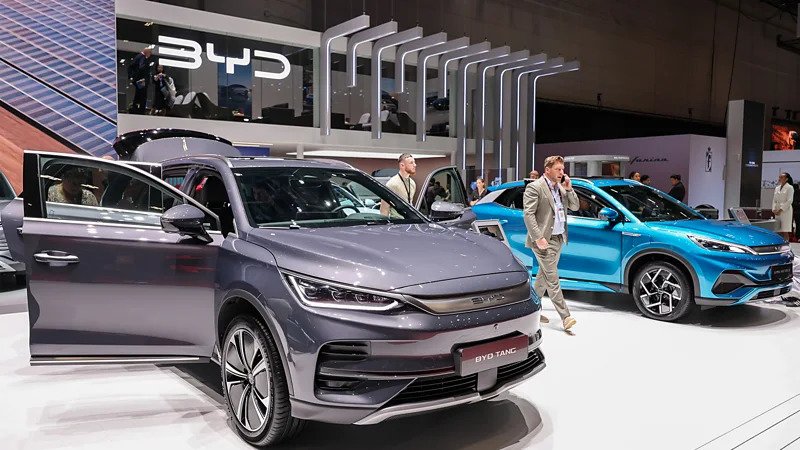
The impending influx of affordable EVs from Chinese manufacturers like BYD, known for their extremely low-cost models, could drastically change market dynamics.
Although these may not immediately impact the North American market due to tariff barriers and regulatory challenges, the trend suggests that electric driving is moving towards widespread, economical adoption.
As battery prices decrease and manufacturers offer electric cars comparable to their gasoline counterparts, luxury electric models will become the exception rather than the standard. By 2030, as fuel prices rise and electric policies prevail, EVs are poised to be the default, affordable choice for new car buyers.
Originally marketed towards affluent consumers, Tesla's 2008 Roadster, with its impressive speed and high price tag, was the epitome of electric luxury. However, with technological advancements and the introduction of more affordable models like Tesla's Model S and the Nissan Leaf, EVs started reaching a broader market.
The Leaf, debuting in 2010, signaled a shift towards environmentally friendly and affordable family cars, albeit still at a premium. Yet, as EV technology costs continued to drop, automakers began offering more competitively priced electric options.
Despite the presence of high-end EVs from Tesla and others like the pricey GMC Hummer, the current trend is favoring practicality over luxury. Reductions in battery costs and government incentives, like tax rebates in the US and Canada's proposed phase-out of gasoline cars, are encouraging the shift.
The impending influx of affordable EVs from Chinese manufacturers like BYD, known for their extremely low-cost models, could drastically change market dynamics.
Although these may not immediately impact the North American market due to tariff barriers and regulatory challenges, the trend suggests that electric driving is moving towards widespread, economical adoption.
As battery prices decrease and manufacturers offer electric cars comparable to their gasoline counterparts, luxury electric models will become the exception rather than the standard. By 2030, as fuel prices rise and electric policies prevail, EVs are poised to be the default, affordable choice for new car buyers.