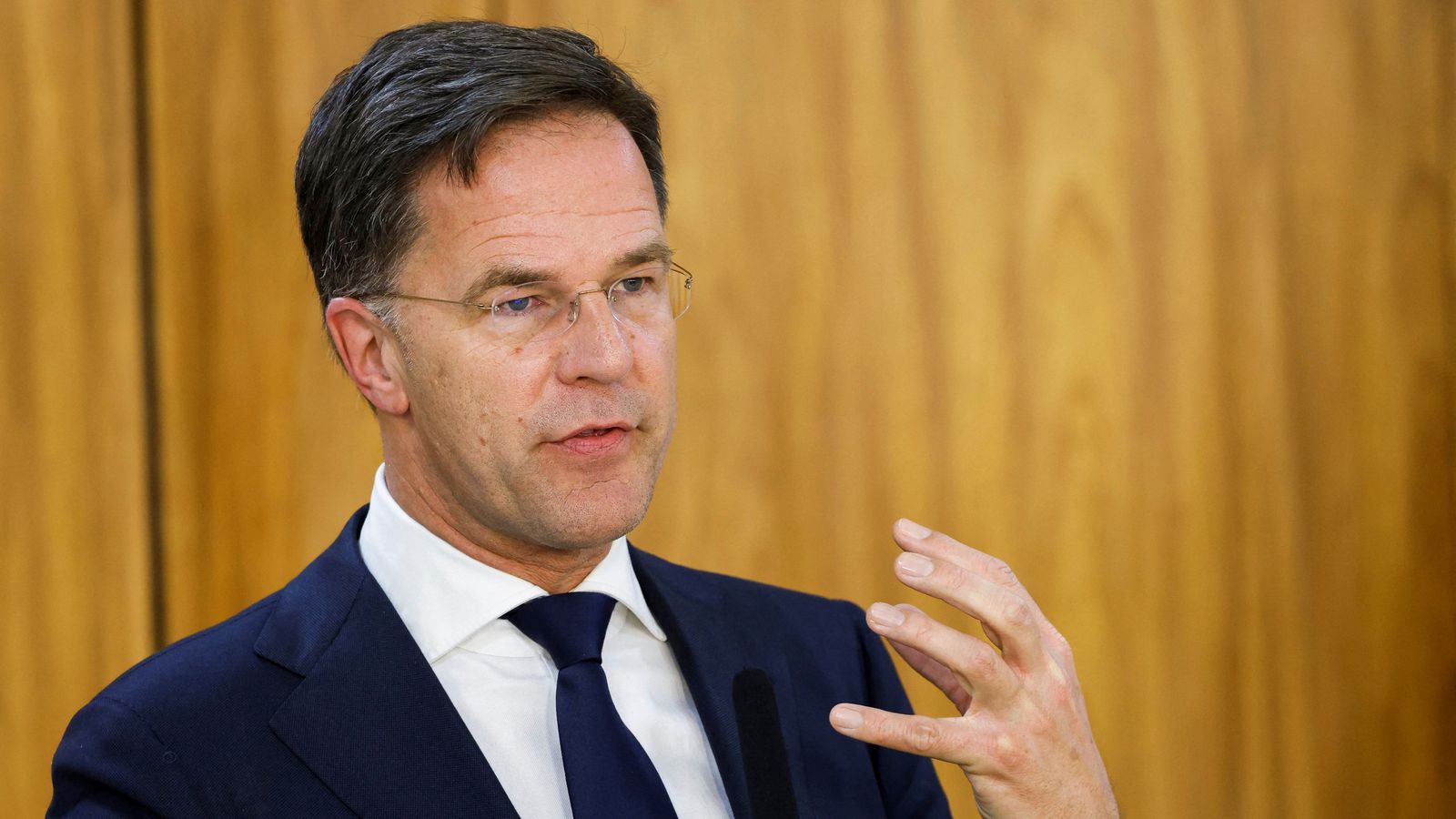
The political landscape in the Netherlands has been jolted, as Prime Minister Mark Rutte announces his resignation following the sudden collapse of his coalition government. The event concludes a series of intense late-night meetings among the coalition's four party leaders, aimed at finding common ground over the contentious issue of migration policy.
Rutte, who has been at the helm of the Dutch government longer than any of his predecessors, acknowledged on Friday evening at The Hague that the schism between coalition members on this policy matter was "irreconcilable." He declared, "That is why I will immediately… offer the resignation of the entire cabinet to the king in writing."
He added, "It is no secret that the coalition partners have very different views on migration policy. And today, unfortunately, we have to draw the conclusion that those differences are irreconcilable."
Rutte and his outgoing administration will continue to serve in a caretaker capacity until a new government is formed. However, opposition parties have been vocal in their demands for immediate elections.
As the leader of the conservative People's Party for Freedom and Democracy (VVD), Rutte has been at the forefront of Dutch politics since 2010. His current coalition government, the fourth he has led, came into power in January 2022 after the longest period of coalition negotiations in Dutch political history.
Immigration policy has been a major bone of contention among the four coalition partners. The VVD, along with the Christian Democrat Appeal party (CDA), advocates for stricter migration measures. On the other hand, the centre-left Democrats 66 (D66) and Christian Union (ChristenUnie) are more inclined towards a lenient approach.
Among the discussed measures was the proposal for a dual asylum class system - temporary for individuals escaping conflict and permanent for those fleeing persecution - and limiting the number of family members allowed to join asylum seekers in the Netherlands.
Earlier this year, the populist, pro-farmer party claimed victory in provincial elections, pushing Rutte's party to second place, further straining his leadership. Dutch voters are scheduled to head to the polls later this year for the lower house elections, adding another layer of complexity to the unfolding political drama.
LONDON DAILY ARCHIVE
Dutch Political Shakeup: Prime Minister Mark Rutte Steps Down Following Collapse of Coalition Government
The dramatic disintegration of the Dutch coalition government over immigration policy prompts the longest-serving Prime Minister, Mark Rutte, to tender his resignation.
08 July 2023 · 19:45 UTC