LONDON DAILY ARCHIVE
David Norris's Admissions Could Influence Stephen Lawrence Case Developments
Convicted killer's reported confessions raise hopes for further investigations into 1993 murder.
21 March 2025 · 23:22 UTC
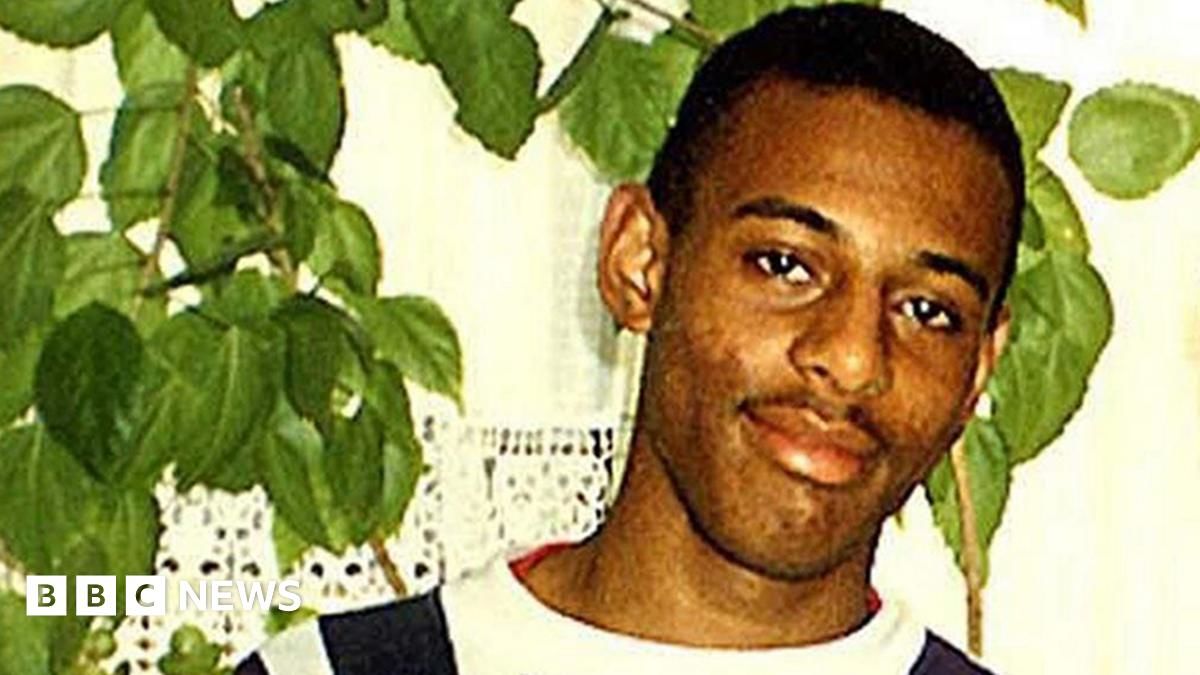
Norris, who was sentenced to life imprisonment in 2012 for his role in the murder, has allegedly acknowledged his involvement during a recent attempt to secure early release from prison.
In April 1993, Stephen Lawrence, an 18-year-old Black British student, was fatally stabbed by a group of white men while waiting for a bus in south-east London.
The attack was marked by racial abuse hurled at Lawrence and ended with him suffering two fatal stab wounds.
A fellow victim, Duwayne Brooks, managed to escape the assault.
Norris has purportedly admitted to having punched Lawrence during the attack, a claim that would indicate his presence at the scene.
Senior police sources have indicated that this new information may represent a significant opportunity for further legal action, as detectives explore the possibility of challenging Norris to identify the other members of the gang involved in the crime.
This group is believed to consist of six individuals, of whom only two have been convicted.
The Metropolitan Police are actively considering verifying Norris's reported admissions and may move forward with re-interviewing him in prison.
It has been suggested that Norris’s cooperation could be pivotal in bringing other suspects to justice.
Historical accounts indicate that prior to his conviction, Norris had categorically denied involvement, claiming he was not present during the attack.
Dr. Neville Lawrence, Stephen's father, has expressed that Norris should remain incarcerated until he divulges the identities of all gang members who participated in the murder.
He has asserted that all individuals surrounding his son during the attack share culpability regardless of who delivered the fatal blows.
Forensic evidence presented during Norris's trial linked him and co-defendant Gary Dobson to the crime scene, leading to their convictions based on the joint enterprise doctrine, which holds that all individuals present during a crime can be deemed equally guilty.
The trial revealed that the original police investigation was marred by significant failings, with a public inquiry later criticizing the Metropolitan Police for being incompetent and institutionally racist.
Comments from the Lawrence family have highlighted the perception that there was a network of corruption surrounding the investigation, with allegations concerning Norris’s father, Clifford, suggesting he had corrupt connections with police officers that obstructed justice.
This narrative draws attention to systemic issues within law enforcement at the time of the murder.
In court, the prosecutor elucidated that the attack was executed by a group driven by shared racial animosity, a point supported by recorded evidence of racist remarks and violent fantasies expressed by both Norris and Dobson.
Norris’s Parole Board documents reportedly reflect his ongoing denial of being a racist and his claim of not wielding the knife during the attack.
These statements, contrasted with evidence from earlier trials, have raised questions about his intentions in light of his attempts at earlier release.