LONDON DAILY ARCHIVE
Covid inquiry: First lockdown imposed a bit too late
Chief Medical Officer Sir Chris Whitty stated to the COVID inquiry that the UK's initial lockdown in 2020 was delayed slightly. He emphasized that the government faced tough choices at the time, balancing public health concerns such as loneliness and poverty against the risks of acting prematurely.
22 November 2023 · 00:14 UTC
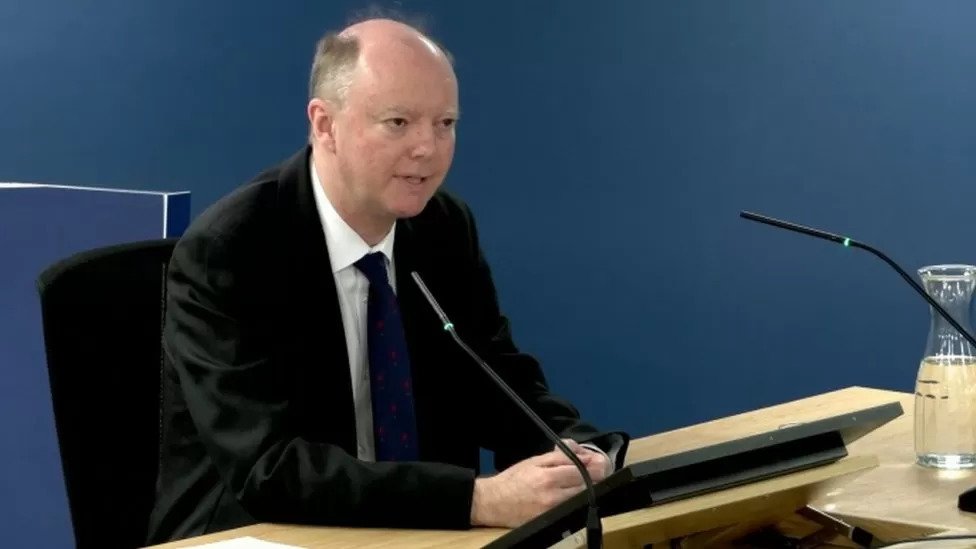
He acknowledged the disproportionate impact of restrictions on disadvantaged and isolated individuals and stressed that non-COVID deaths remained high during the pandemic.
Whitty defended his response in mid-January 2020, when his deputy, Sir Jonathan Van-Tam, warned of an imminent pandemic. Whitty argued that acting on instinct alone wasn't sufficient for drastic measures.
He further criticized the phrase "following the science," clarifying that scientific advice was never directive but aimed to inform government decisions.
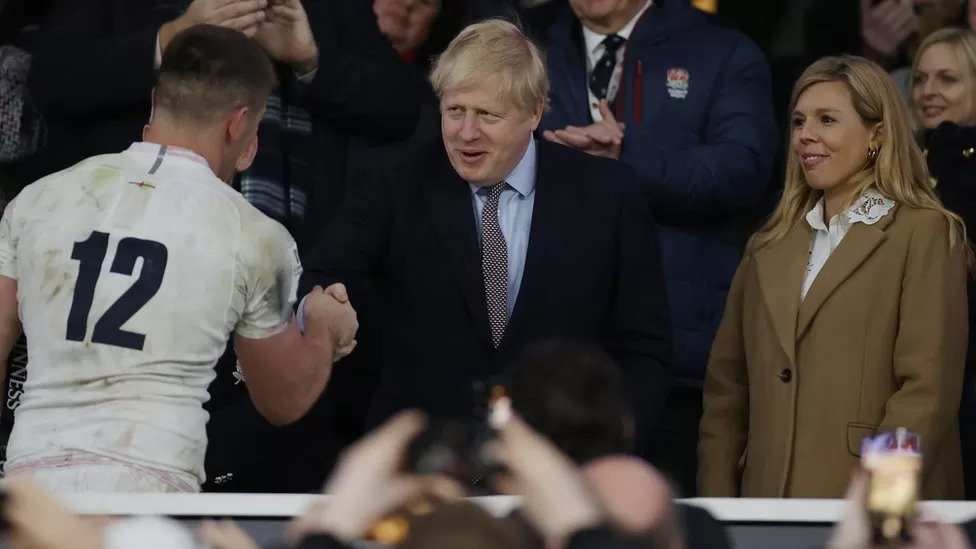
Discussing former Prime Minister Boris Johnson's decision-making style, Whitty described it as unique and often informal, evolved through smaller group discussions.
Regarding travel restrictions, Whitty admitted the UK was late in enforcing quarantine for travelers from Wuhan but doubted its efficacy at the time, as genetic testing indicated the virus spread largely through British tourists from Europe.
He conceded that in future crises, more stringent quarantine measures could be necessary. As for mass gatherings, Whitty suggested that while there was no firm evidence banning them would have mitigated virus spread, he now believes they should have been halted earlier to avoid sending a message of normalcy to the public.