LONDON DAILY ARCHIVE
Counter-Terror Police Review Complaints on BBC Gaza Documentary
Concerns arise following the revelation of the narrator's family ties to Hamas amid protests and internal BBC scrutiny.
02 March 2025 · 03:42 UTC
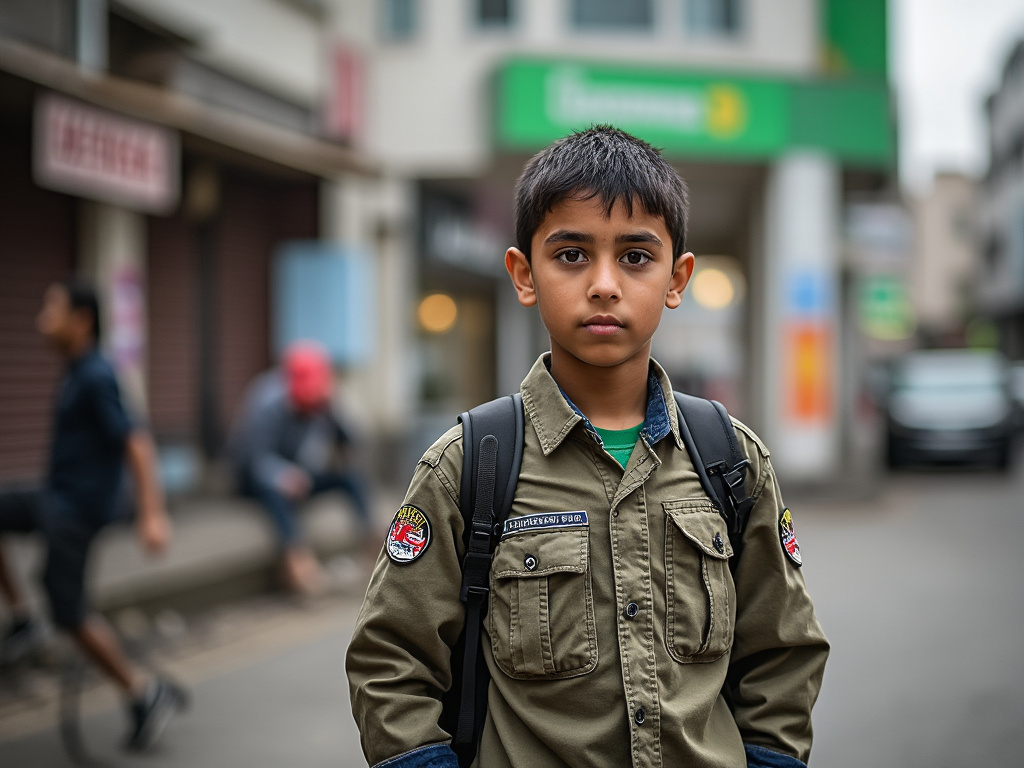
The documentary was produced by the independent company Hoyo Films.
The BBC disclosed that the production company informed them that a limited sum had been paid to the boy's mother for the narration.
A spokesperson for the Metropolitan Police stated, 'We’re aware of a BBC documentary about Gaza and we have received a number of reports raising concerns.
Officers from the Met’s Counter Terrorism Command are currently assessing whether any police action is required in relation to this matter.'
Lisa Nandy, the UK Culture Secretary, met with BBC chairman Dr. Samir Shah to discuss the documentary and emphasize the importance of a thorough review.
Nandy expressed her intention to ensure that 'no stone will be left unturned' in the investigation into the program.
The BBC has acknowledged identifying 'serious flaws in the making' of the documentary.
A spokesperson conveyed that both the production company and the BBC itself were responsible for these shortcomings, which they deemed unacceptable.
'BBC News takes full responsibility for these and the impact that these have had on the corporation’s reputation,' they stated, noting that the intended purpose of the documentary was to convey stories from war zones, although its execution did not meet the organization’s standards.
One of the critical issues highlighted was the familial connections of the narrator to Hamas.
The BBC had reportedly asked the production company multiple times in writing about any possible ties the young narrator and his family may have with Hamas.
It was later revealed that the production company was aware of Alyazouri's position in the Hamas government but failed to disclose this information to the BBC.
In light of these revelations, the BBC added a disclaimer to the documentary and subsequently removed it from its online services, indicating no plans for further broadcasts.
On the day of the documentary's removal, protests occurred outside BBC Broadcasting House in London, organized by the Campaign Against Antisemitism, claiming that the BBC had disseminated Hamas propaganda.
A notable backlash ensued over the removal of the documentary, with more than 500 media personalities, including figures like Gary Lineker and Riz Ahmed, condemning the BBC's decision.
An open letter addressed to BBC director-general Tim Davie, chairman Dr. Shah, and outgoing chief content officer Charlotte Moore criticized the removal as 'politically motivated censorship,' reflecting ongoing debates about media autonomy, transparency, and the portrayal of sensitive geopolitical issues.