LONDON DAILY ARCHIVE
Coroner Rules Use of Force in 1992 Killing of IRA Members Was Not Justified
Findings reveal lack of credible threat during ambush in Co Tyrone, marking a significant moment in the inquiry into the actions of British soldiers.
07 February 2025 · 06:10 UTC
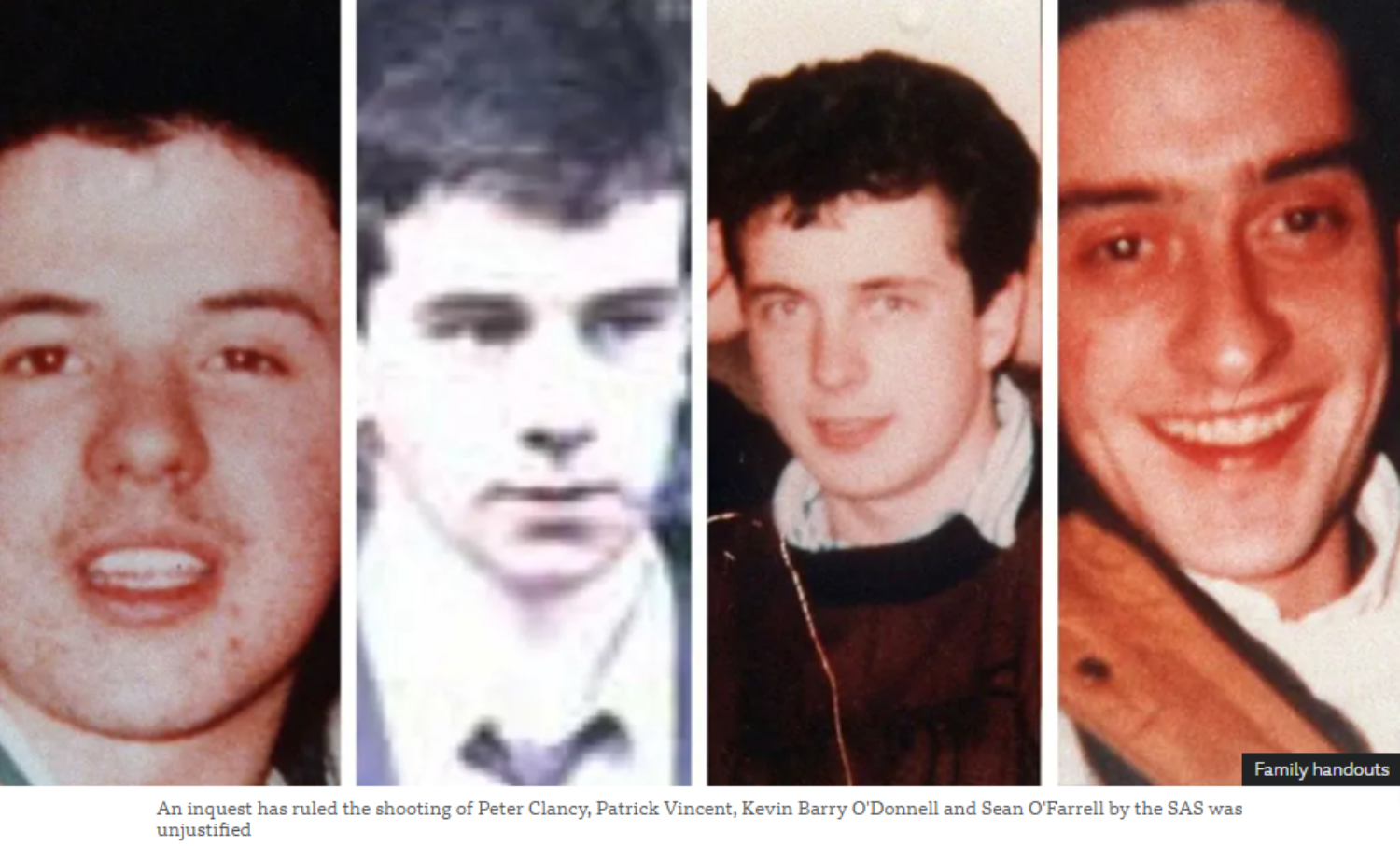
The fatal incident occurred shortly after four members of the Provisional Irish Republican Army (IRA) conducted a gun attack on the Royal Ulster Constabulary (RUC) station in Coalisland.
The deceased IRA members—Kevin Barry O'Donnell, Sean O’Farrell, Peter Clancy, and Daniel Vincent—were ambushed by the SAS as they arrived at St Patrick’s Church car park in Clonoe, having used a stolen lorry for the attack.
During the inquest, which began in 2023, it was disclosed that up to 570 rounds were fired by the special forces.
Mr Justice Humphreys pointed out that, despite claims that the soldiers had acted to protect themselves and others from the IRA members, their use of force was deemed unjustified.
He criticized the lack of any attempt to arrest the IRA members, who were incapacitated and unable to pose a threat.
The coroner stated that the soldiers’ assertion of the IRA unit opening fire was “demonstrably untrue.” Furthermore, he suggested that reports created by the SAS and the police, which described simultaneous firing and a firefight, were similarly false.
He stated that such misrepresentations appeared to serve a narrative that perpetuated a misleading account of the events.
Mr Justice Humphreys noted comments from the Ministry of Defence that referred to the incident as an “excellent Security Forces success.” He highlighted the state’s role in 'perpetuating falsehoods' concerning the ambush, noting that a press release inaccurately suggested an exchange of gunfire, which contributed to the public narrative surrounding the case.
Significantly, the inquest findings revealed that the IRA members had been fleeing or incapacitated at the time of shooting, countering claims made by soldiers involved.
O'Donnell was shot while attempting to flee and was further shot while incapacitated.
Clancy and Vincent were similarly struck while trying to escape or lying injured.
Outside the court, Marian Vincent, sister of Daniel Vincent, expressed her mixed emotions regarding the inquest's findings, highlighting the lengthy and painful nature of their quest for accountability.
She remarked, "This has been a long, long, long process...
It’s hard to say you’re delighted at a finding over your family member’s death.
We’re overwhelmed and we’re delighted with the result, but we’re also very aware at a huge expense to us as families."
This ruling provides a significant focal point in discussions regarding military engagements and state accountability during the Troubles, a period of conflict in Northern Ireland that lasted from the late 1960s until 1998.